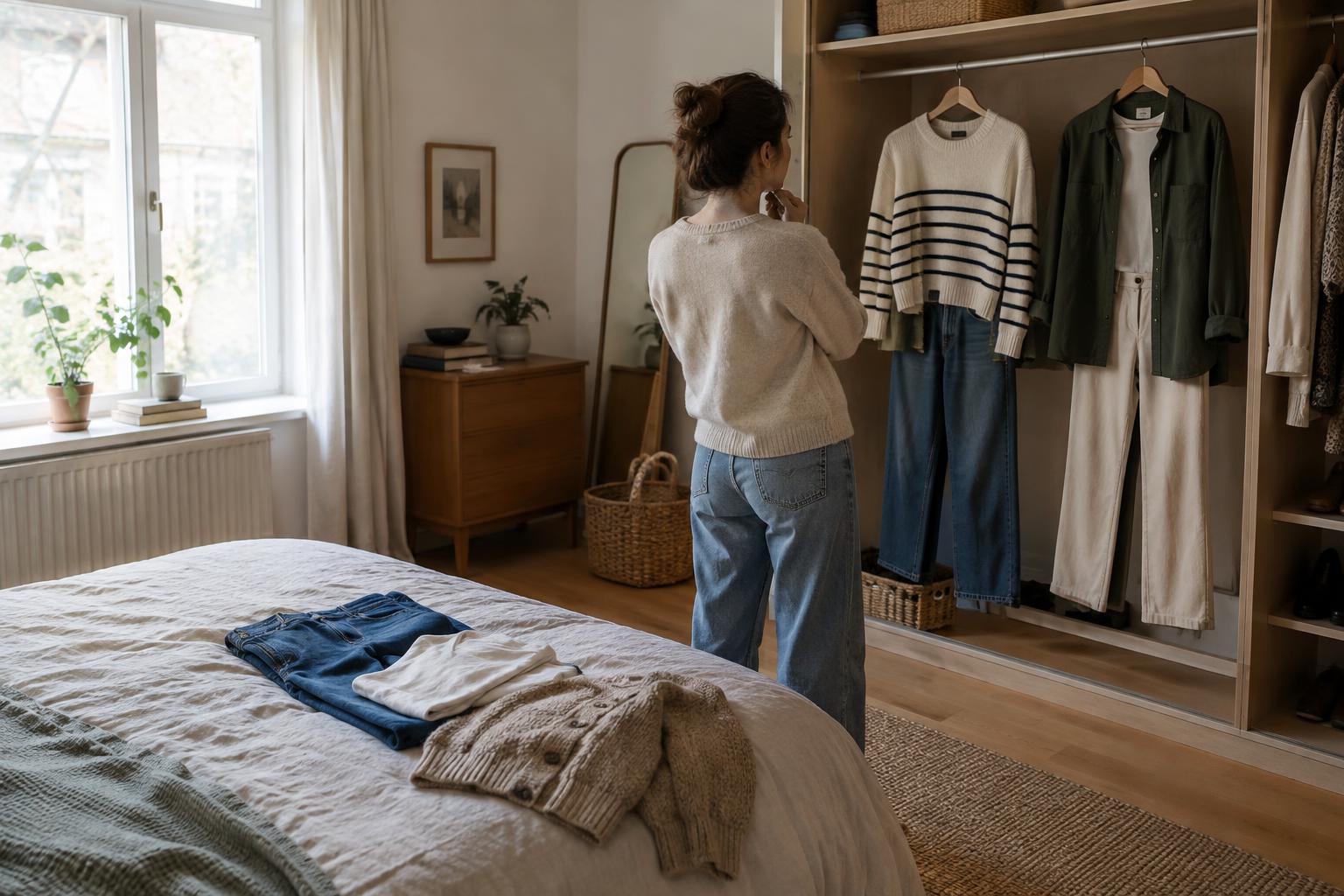
Start with your wardrobe, not an imagined new one
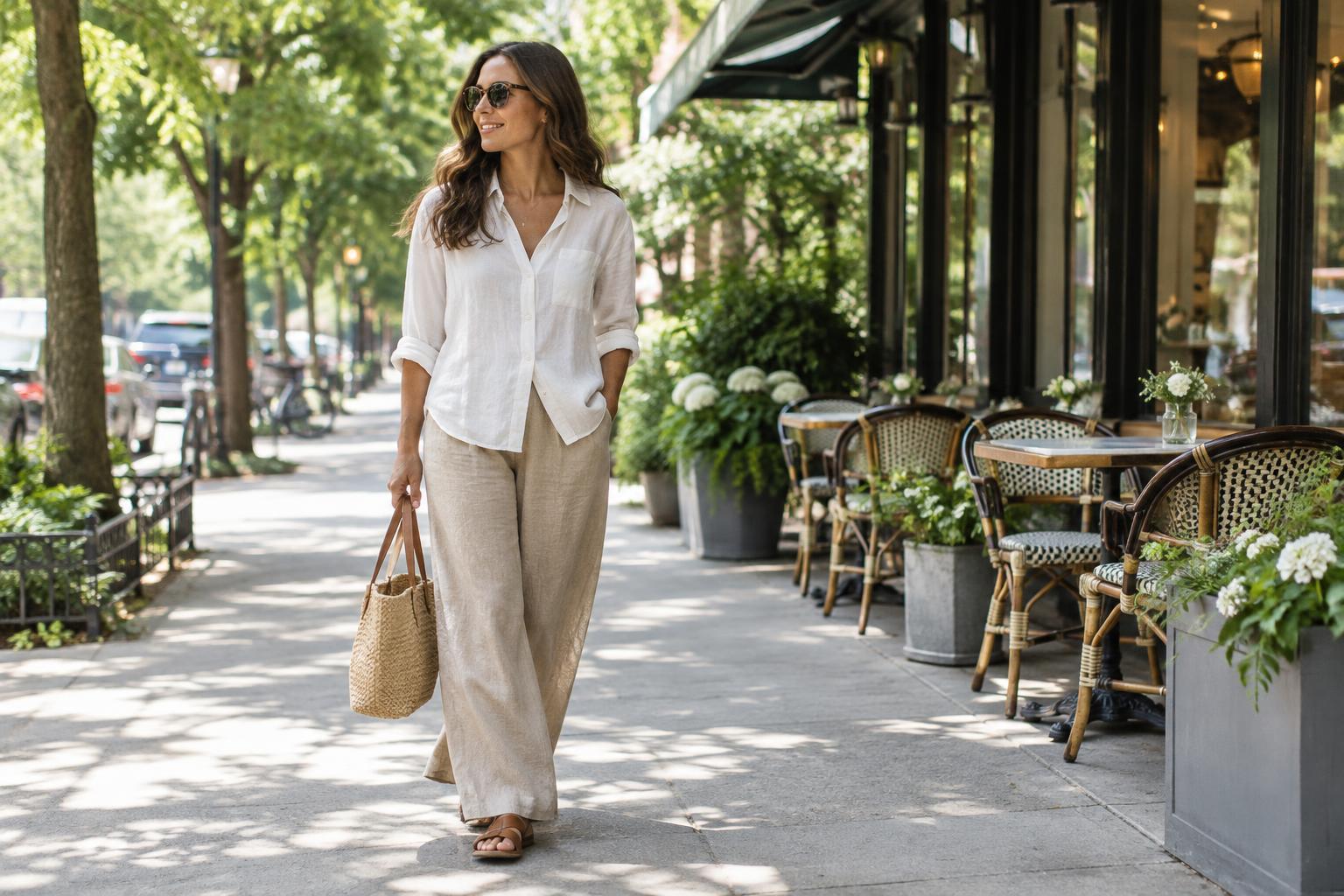
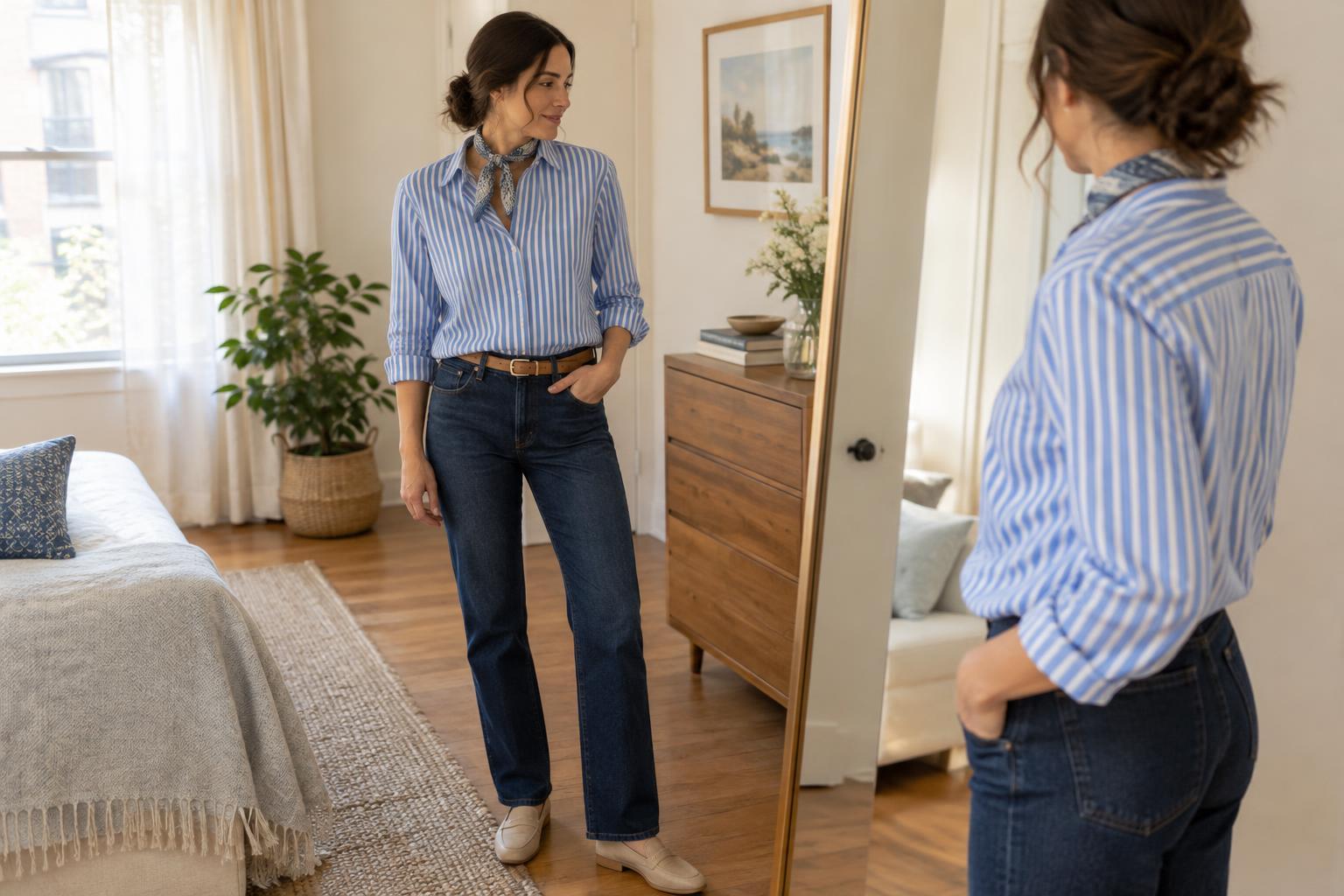
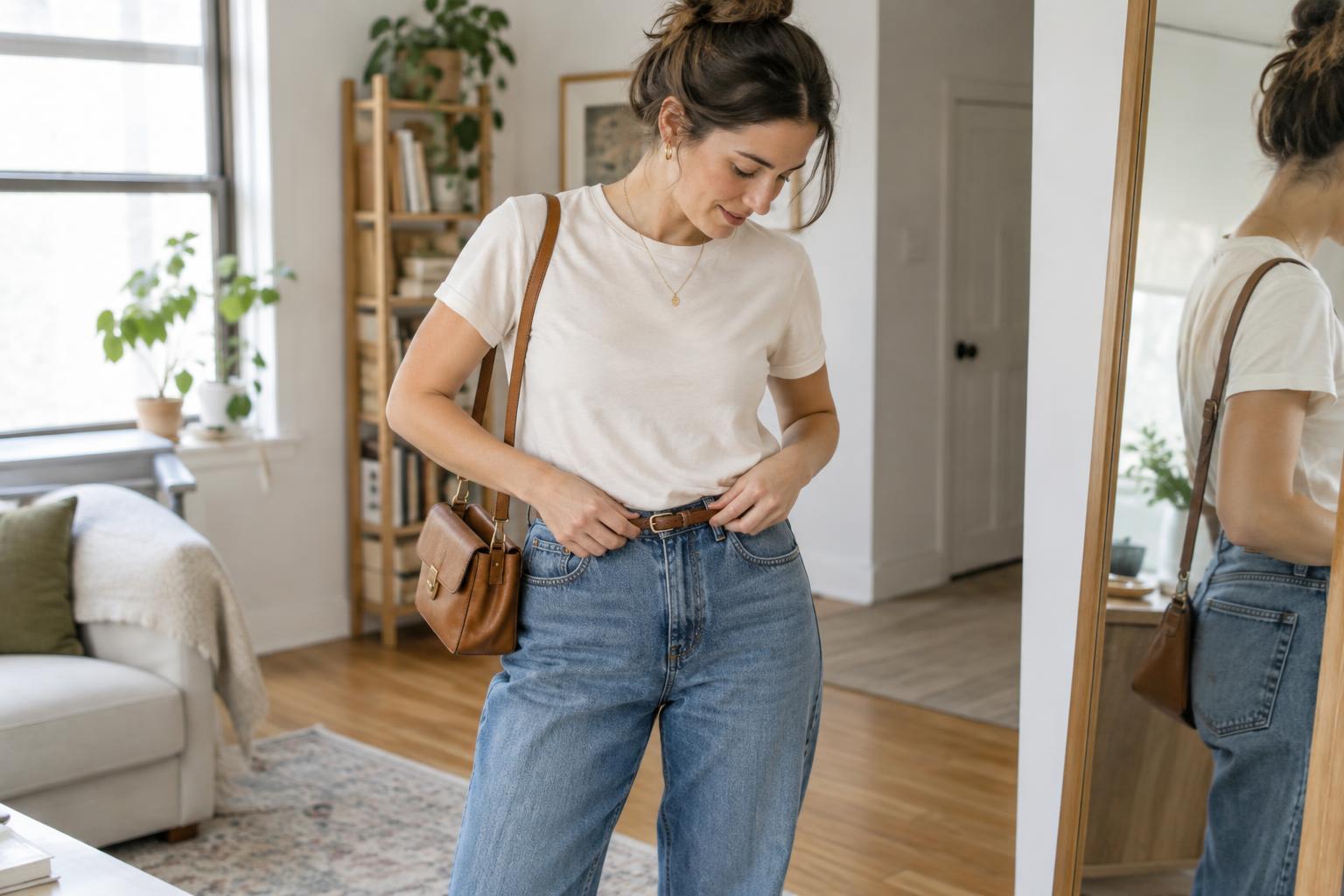
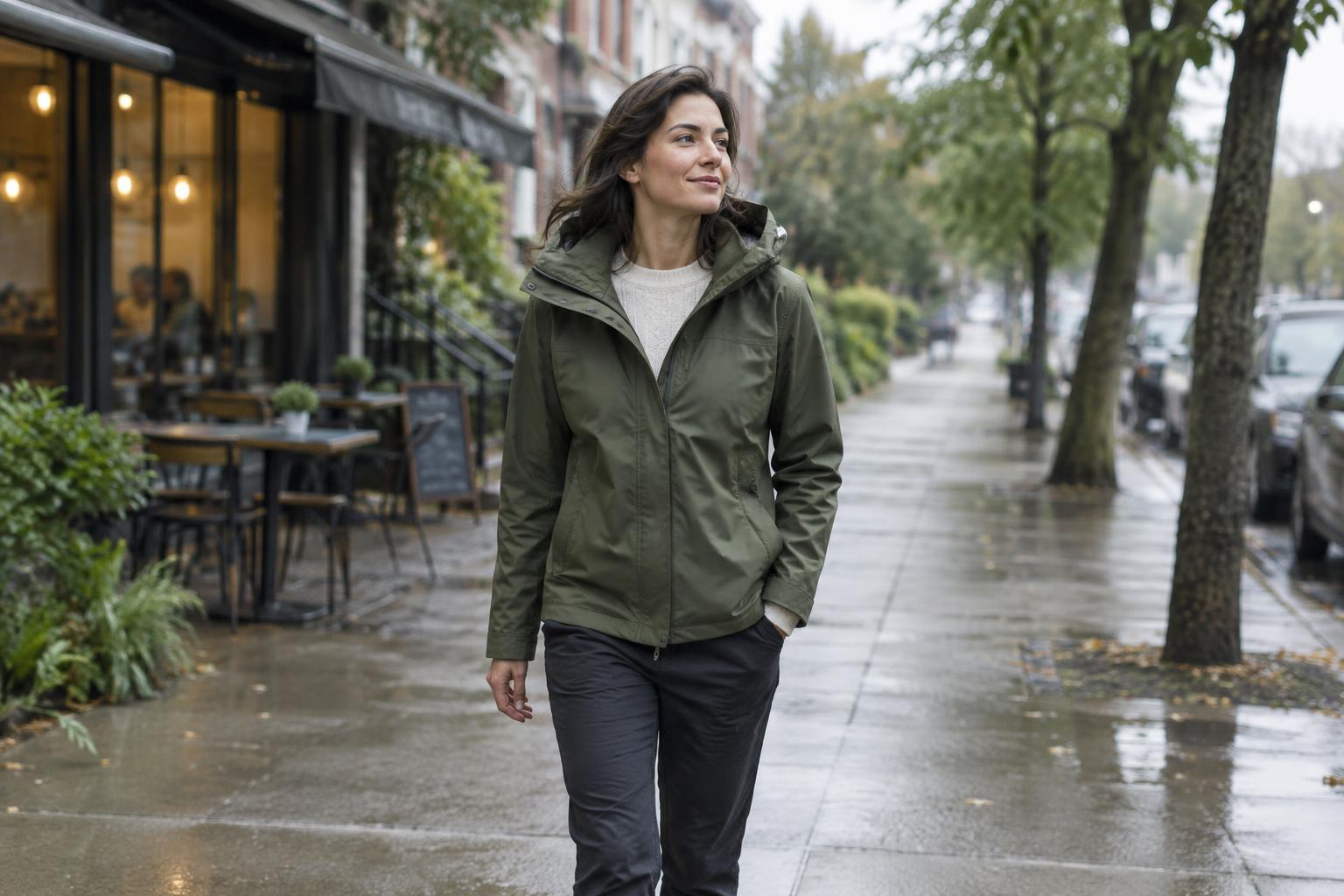
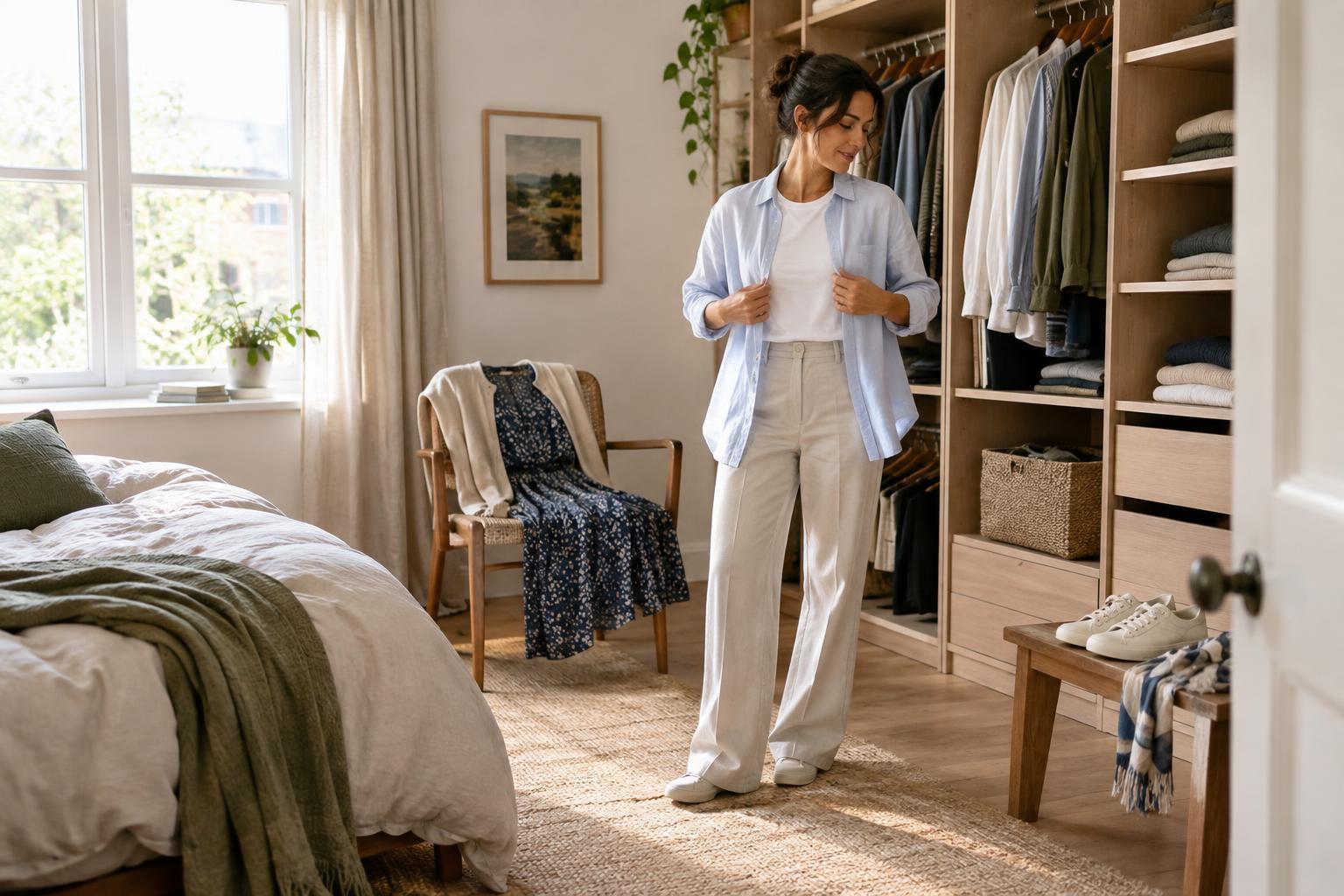
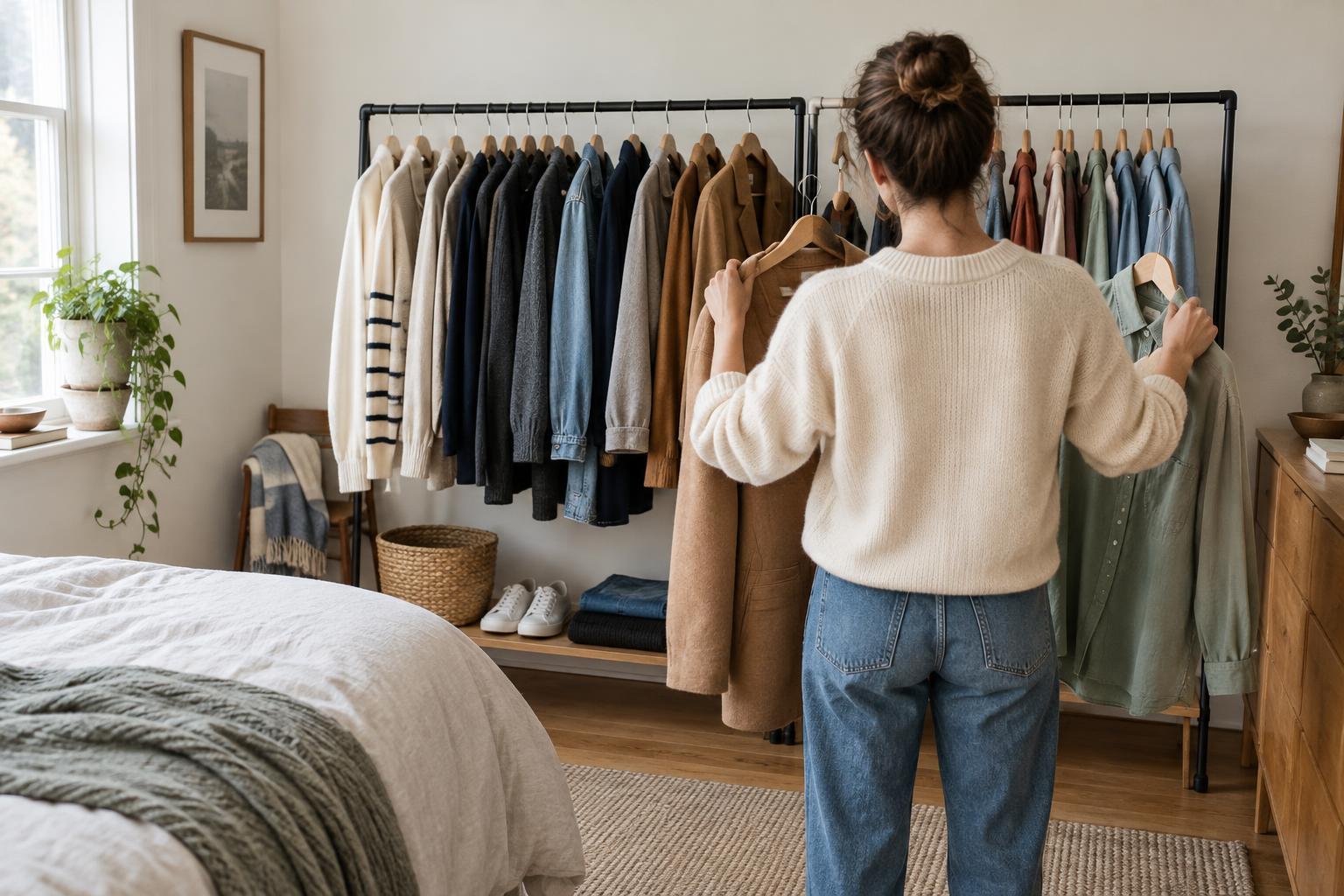
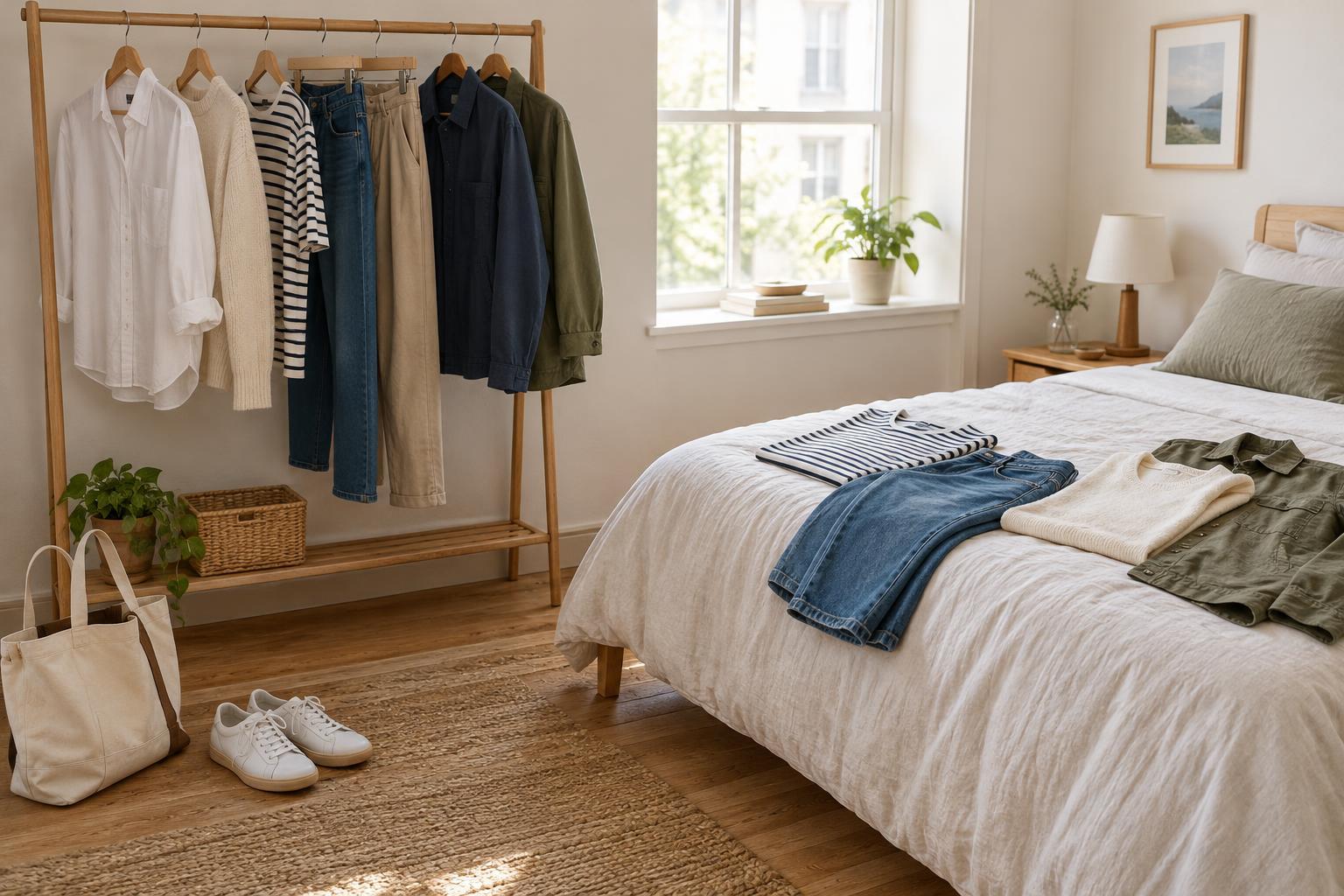
Before looking at a pattern or fabric, pull out three outfits you wear often: perhaps a coat-and-jeans combination, a plain top with trousers, and something you keep for dinners or gatherings. Notice what each outfit needs. A dark coat might welcome a bright accent; a printed shirt may work better with a quieter scarf. If an accessory makes only one carefully staged outfit look good, it may not be the most useful choice for a busy week. The aim is to find a piece you will reach for when you have five minutes, not one that needs a new set of clothes around it.
UniqueYou’s approach is especially appealing when you think of accessories as companions to an existing wardrobe. Look at the colors near your face, the necklines you prefer and the outerwear you actually use. A scarf does not need to match every item precisely. It can pick up one color from a patterned dress, echo the warmth of a brown bag or provide a deliberate contrast against navy and charcoal. Testing those relationships mentally before choosing is often more useful than following a seasonal color rule.
Choose the shape for the job
A narrow or easily folded scarf can sit close to the neck without changing the outline of a jacket. A square scarf offers several small styling moves: fold it into a band, tie it loosely at the throat or knot it onto a bag handle when you want the color but not another layer. A larger shawl or wrap has a different role. It can spread across the shoulders over a simple dress or add a generous layer to a travel outfit. Think about whether you want a compact accent, a visible finishing touch or more coverage.
Shape also matters when your day includes several settings. A smaller scarf can be removed and tucked away when you move from outdoors to a warm room. A larger wrap takes more space but can change the feel of a plain outfit with very little effort. Before deciding, picture the item with your usual coat collar and favorite bag. Will the fabric sit where you want it, or compete with a hood, lapels or straps? That small practical check helps separate a beautiful image from a piece you will enjoy wearing.
Understand material descriptions without guessing
UniqueYou includes silk, cashmere and wool categories, but a category name is not a substitute for the composition of an individual product. Check the specific item description when fiber content matters to you. A silk option may appeal when you want a smooth-looking accent or a compact fold. Wool and cashmere categories may be worth exploring when your priority is a softer-looking, more substantial layer. Weight, weave, dimensions and the way a scarf feels against your skin can all influence whether it suits your plans.
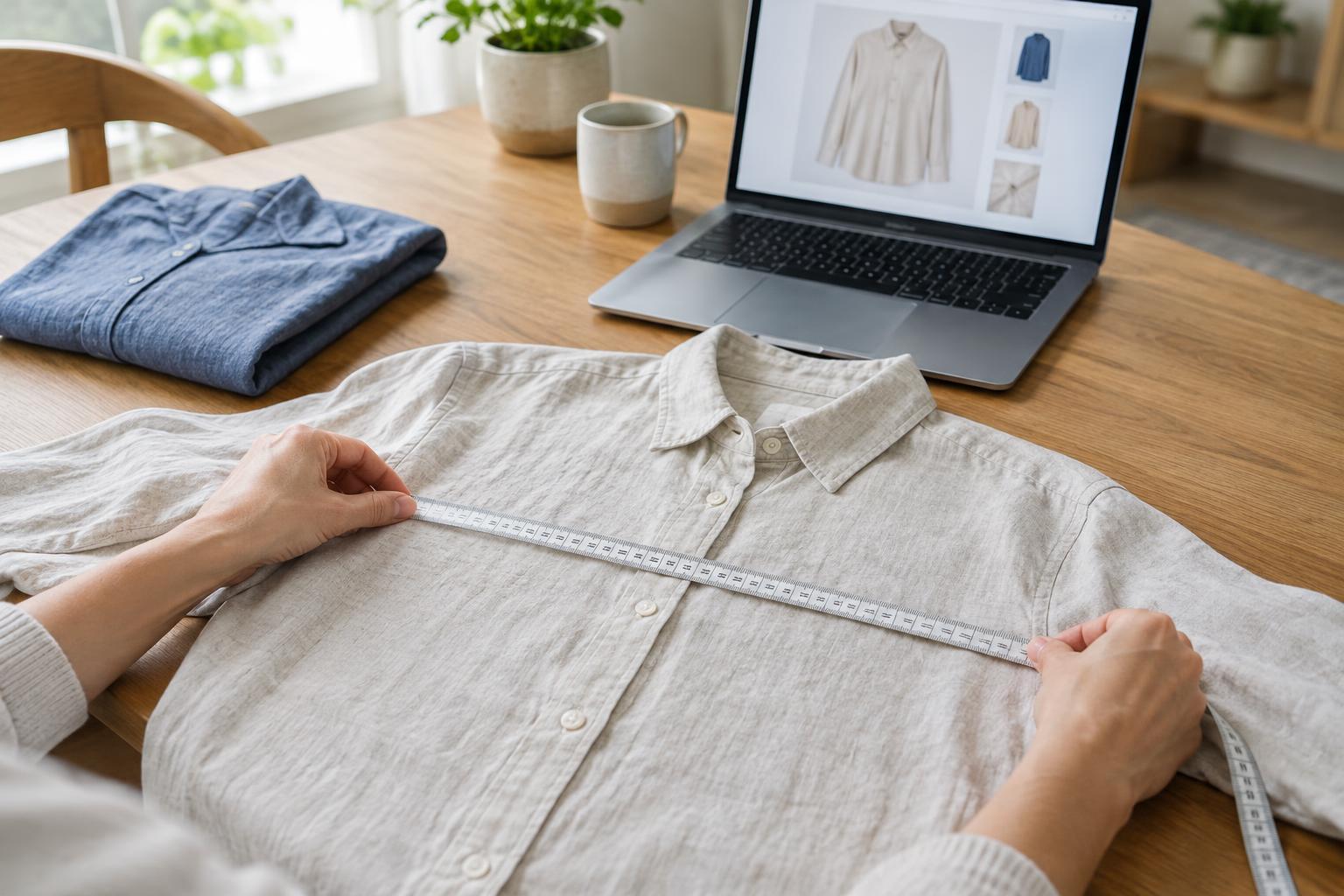
It helps to ask a simple question: what will this piece be asked to do most often? For indoor styling, you might value a light scarf that is easy to arrange with a blouse. For a walk or a commute, you may prefer more coverage around the neck and shoulders. If you are choosing for someone else, avoid assuming that a familiar fabric word tells the whole story. Read the composition and care information for the exact item, especially if the recipient has strong preferences about texture or maintenance.
Use color to make mornings simpler
A useful scarf color does not have to be neutral. Consider the colors you repeat: perhaps black, cream and denim, or olive, brown and warm white. A red accent can make those basics feel intentional, while a black scarf may be the calmer choice alongside patterned clothing. A check or stripe can bring structure to an outfit made mostly of plain pieces. The question is not whether a color is fashionable in isolation; it is whether you can name at least two outfits in your closet that would welcome it.
If you are unsure, place your most-worn clothes together and look for a shared undertone or recurring detail. A scarf can echo a small color already present in a print rather than matching the largest area of the garment. You can also use contrast deliberately: a vivid square scarf against a simple shirt, or a restrained wrap with a colorful dress. Keep the rest of the outfit familiar while you experiment. That way, the accessory adds interest without turning an ordinary morning into a styling project.
Make room for different kinds of days
Casual style is often about flexibility. On an errand day, a scarf tied once over a T-shirt and light jacket can add a finished note without looking formal. At work, a loosely draped scarf can bring softness to a blazer or a plain knit. For an evening meal, a wrap across the shoulders may change the mood of an outfit you have already worn during the day. None of these ideas requires an elaborate knot. A comfortable arrangement that stays in place is usually the best one.
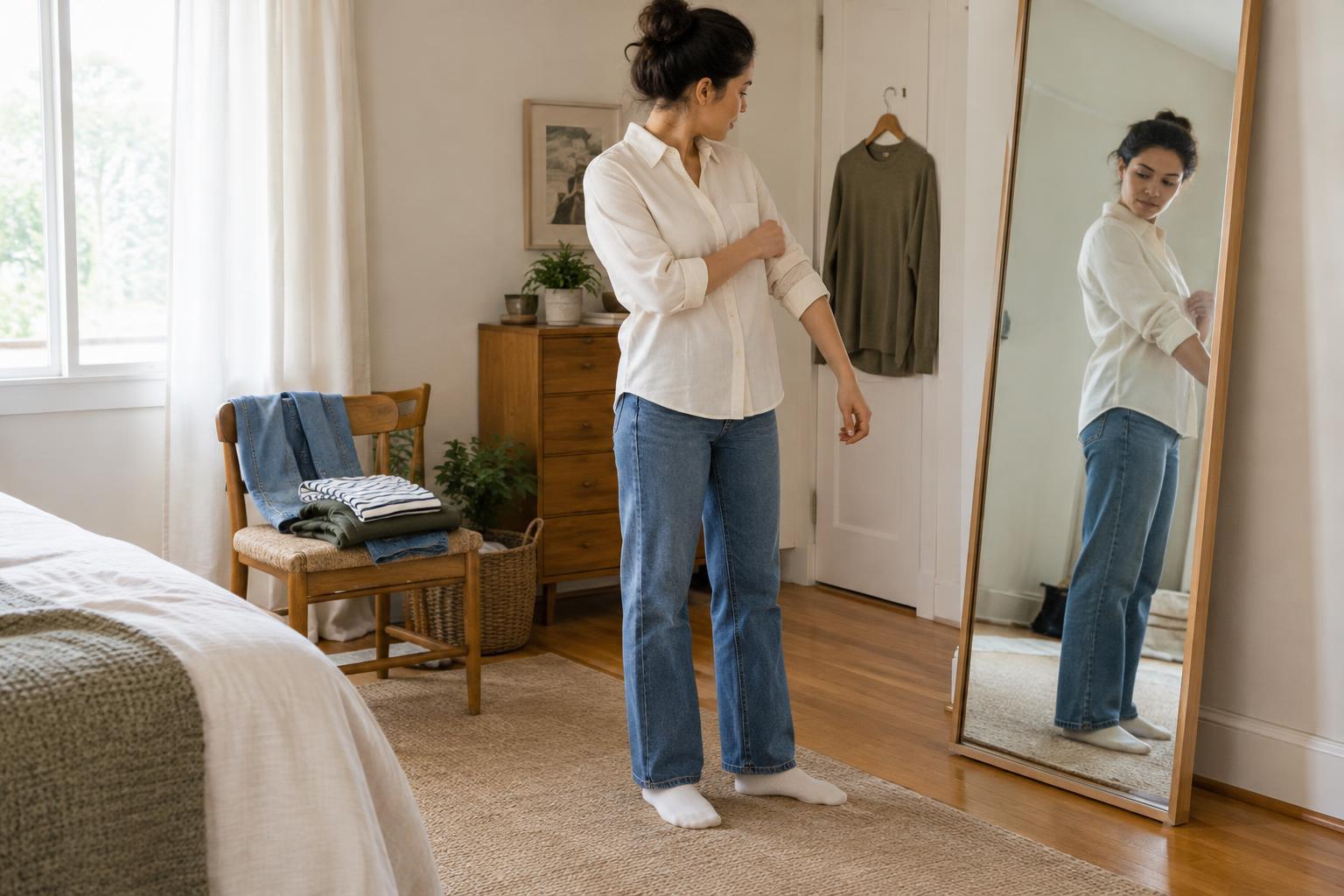
Try a quick rehearsal before relying on a new piece for an appointment or trip. Sit down, put on your coat, carry your usual bag and see whether the scarf needs constant adjustment. If it does, experiment with a simpler fold or a different placement. A square scarf might be easier at the neck than over the shoulders; a larger piece might sit better under an open coat. Styling is not a test of technique. It is a way to make an accessory fit the movements and routines you already have.
Choose a gift that respects personal style
A scarf can be a thoughtful gift because it does not ask the recipient to rebuild an outfit around it. Still, a little observation goes further than a guess about what someone ‘should’ wear. Notice whether they favor bold color or quiet tones, small neck scarves or generous layers, crisp patterns or softer visual texture. Look at their everyday coat and the bag they carry most. Those clues say more than a broad age category or a trend forecast. The best choice feels like it could join their current wardrobe comfortably.
When you do not know a person’s fabric preferences, keep the product details in view rather than treating a material category as a guarantee. Check the exact composition, dimensions and care guidance before deciding. Think about the occasion, too: a compact square scarf may suit someone who enjoys changing small details, while a shawl or wrap may appeal to someone who likes an easy extra layer. You do not need to predict every outfit they will wear. One or two convincing combinations are a sounder starting point.
Keep a small accessory edit, not a complicated system
An organized wardrobe does not have to be minimal. It simply helps when you can see what you own and understand why each piece is there. You might keep one scarf that lifts everyday basics, one quieter option for patterned outfits and one larger piece for occasions when you want more coverage. That is an example, not a shopping list. If the scarves you already have meet those needs, start by wearing them in new combinations. A considered addition should fill a real gap or offer a distinct way to use familiar clothes.
Storage can support that habit. Keep frequently worn scarves where you can spot their colors while choosing an outfit, and fold or hang them in a way that suits the item and its care instructions. If you repeatedly overlook one, try pairing it with a coat or top before deciding it is not for you. This small exercise is useful when browsing UniqueYou as well: it makes it easier to recognize whether a square scarf, a long scarf or a wrap would genuinely add something to your routine.
A brand story with a practical point of view
UniqueYou dates its beginnings to 2014, when the project started with scarves and clothing. Its history includes a pause and a later return after the domain was recovered; it is not a story of uninterrupted trading. The original identity used a brown wordmark, a horse motif and the words ‘Since 2014,’ while a neutral taupe palette remains part of its visual character. Those details offer context for the name, but the more useful question for a reader is how the accessories might work with what they already wear.
The brand’s range centers on women’s scarves, shawls, wraps and square scarves, including silk, cashmere and wool categories. Rather than expecting one piece to do everything, approach the selection with a purpose: a neat accent for a familiar shirt, a layer to accompany a coat or a gift suited to someone’s established style. Product composition varies, so make the individual description your reference for material decisions. This grounded approach leaves room for personal taste without turning an accessory into a promise about an entirely new life.
Browse in the language that helps you decide
Clear information is part of a comfortable choice. If you are comparing shapes, reading material details or considering a gift, using the destination language most familiar to you may make those decisions easier. UniqueYou has 20 regional domains, 21 regional-language versions and 16 distinct languages. The numbers differ because countries can share a language, and one country can have more than one language version. Germany and Austria, for example, both have German destinations; Belgium and the Netherlands have Dutch destinations.
The United Arab Emirates is the clearest example of two versions within one regional domain: Arabic is at the root, and English is at /en. The guide below separates those destinations so you can choose the appropriate language before exploring a collection. Its examples point toward different scarf shapes, colors and material categories; they are starting points, not claims that every item has the same composition or will suit every wardrobe. Wherever you browse, return to the practical questions: what will you wear it with, how will you use it, and what do the details say about the individual piece?
A regional guide to finding your starting point
Choose a country and destination language first, then follow the kind of accessory that fits your wardrobe question. The local terms below identify collections in their destination languages; where a collection is named only through the brand, the surrounding description explains what you will find there. If you are comparing materials, check the details of the individual item rather than assuming every piece in a category is alike.
Poland — Polish
For the Polish-language starting point, visit UniqueYou and consider whether a small square scarf would add something useful to your usual outfits. The Polish collection term for that option is linked here — gawroszka sklep UniqueYou. Picture it with a plain shirt, a simple knit or a bag you often carry before choosing a color.
Germany — German
The German-language destination begins at UniqueYou. If you want a scarf to work with your everyday coat or a quieter office outfit, the German term leading to the women’s scarf collection is here — tuch damen UniqueYou. Check size and individual product details to decide whether a piece offers the coverage you have in mind.
Czechia — Czech
Begin with the Czech-language destination at UniqueYou. For a dark accessory that could sit alongside patterned clothing, the Czech term for the women’s black-scarf collection appears here — dámské černé šály UniqueYou. If a smaller neck accent sounds more useful, the Czech-language silk neck-scarf collection is UniqueYou; consult each item’s composition before choosing.
Spain — Spanish
The Spanish-language starting point is UniqueYou. If your wardrobe relies on plain tops, denim or simple outerwear, a red accent might be worth considering. The Spanish term leading to the red-scarf collection is here — pañuelos rojos de moda UniqueYou. Compare its scale with the clothes you wear most, rather than choosing color from a product image alone.
France — French
For the French-language destination, start at UniqueYou. A black scarf can be a useful counterpoint when a coat or dress already carries a strong pattern. The French term linked to that collection is here — echarpe femme noir UniqueYou. Before deciding, think about how much contrast you prefer near your face and how the piece will sit with your usual neckline.
Hungary — Hungarian
The Hungarian-language destination begins at UniqueYou. To explore scarves with an elegant look, follow the Hungarian collection term — elegáns sál UniqueYou. If you would rather try a square scarf as a compact accent, the Hungarian-language collection for that shape is UniqueYou. In either case, start with an outfit you own and choose the scale that suits it.
Italy — Italian
Start in Italian at UniqueYou. For a dressier layer, the Italian term leading to the silk-stole collection appears here — stole eleganti in seta UniqueYou; read an individual item’s details before making a material decision. If you are after something less substantial for regular outfits, the Italian-language lightweight-scarf collection is UniqueYou.
Romania — Romanian
The Romanian-language destination begins at UniqueYou. The Romanian term for the women’s scarf collection is linked here — esarfe dama UniqueYou and offers a place to compare colors and shapes. For a different layering question, the Romanian-language wool-scarf collection is UniqueYou. Consider your coat collar, preferred coverage and each item’s composition.
Slovakia — Slovak
For the Slovak-language starting point, visit UniqueYou. If a generous layer appeals to you, the Slovak term leading to the cashmere-scarf collection is here — kašmírové šály damske UniqueYou; verify the exact item details rather than relying on the category name alone. The Slovak-language square-scarf collection is UniqueYou if a smaller styling accent would be easier to use.
Finland — Finnish
Begin with the Finnish-language destination at UniqueYou. The Finnish term that leads to the general scarf collection appears here — huivi UniqueYou, a useful starting point when you have not settled on a shape. For a more specific material category, the Finnish-language silk-scarf collection is UniqueYou. Think about how the scarf will feel and sit with your everyday layers.
Sweden — Swedish
The Swedish-language starting point is UniqueYou. If most of your clothes are solid colors, a check can introduce pattern without changing the whole outfit. The Swedish term leading to the elegant checked-scarf collection is here — eleganta rutiga halsdukar UniqueYou. Compare the size of the check with any patterns you already wear and consider whether you want a subtle or noticeable contrast.
Denmark — Danish
For the Danish-language destination, start at UniqueYou. A stripe can give a plain coat or sweater a little structure, especially if you prefer a pattern that is easy to read at a glance. The Danish term leading to the striped-scarf collection is here — stribet halstørklæde UniqueYou. Imagine the stripe beside your usual outerwear before deciding which colors suit you.
Belgium — Dutch
The Dutch-language destination for Belgium begins at UniqueYou. If you want a compact accent, the Dutch term leading to the silk-scarf collection appears here — zijden sjaaltje UniqueYou; check the specific item description for composition. If more shoulder coverage would serve you better, the Belgian Dutch-language wrap collection is UniqueYou.
Austria — German
The German-language destination for Austria starts at UniqueYou. If your main question is how to add a layer over a simple dress or top, the German term leading to the women’s stole collection is here — stola damen UniqueYou. Compare dimensions and the way you would drape it with your usual outerwear before settling on a piece.
Netherlands — Dutch
For the Netherlands’ Dutch-language destination, begin at UniqueYou. The Dutch term for the silk-scarf collection is linked here — zijden sjaaltje UniqueYou, with individual details to check when material matters. If you are considering a stronger color accent instead, the Dutch-language red-scarf collection is UniqueYou. Try imagining each option with two familiar outfits.
United States — English
The English-language destination for the United States begins at UniqueYou. If you want color against a plain coat or sweater, the English term leading to the red-scarf collection is here — red scarf UniqueYou. For a larger layer, the English-language cashmere-shawl collection is UniqueYou. Read the individual product information before choosing by material or size.
United Arab Emirates — Arabic
For the United Arab Emirates’ Arabic-language destination at the regional root, start at UniqueYou. This is the Arabic starting point, distinct from the English version. Decide first whether you want a small accent near the face or a broader layer for the shoulders, then use the individual descriptions to assess shape and composition.
United Arab Emirates — English
For the United Arab Emirates’ English-language version at /en, the English term leading to its women’s scarf shopping starting point is here — women's scarf shop UniqueYou. This is the English destination rather than the Arabic root. Use it when English product information is more comfortable for comparing styles, dimensions and the needs of your existing wardrobe.
Ireland — English
The English-language destination for Ireland begins at UniqueYou. If you want to compare scarf options before settling on a particular shape, the English term leading to the scarf collection is here — scarf UniqueYou. Keep your usual coat and a favorite everyday outfit in mind so that the piece you choose has a clear place in your routine.
United Kingdom — English
For the United Kingdom’s English-language destination, start at UniqueYou. If you are considering a larger layer, the English term leading to the cashmere shawls and wraps collection is here — cashmere shawls and wraps UniqueYou. Look at the exact item’s dimensions and composition, then picture how you would wear it with a dress, knit or coat you already own.
Portugal — Portuguese
The Portuguese-language destination begins at UniqueYou. The Portuguese term leading to the women’s scarf collection appears here — cachecol senhora UniqueYou, a place to start if you want an everyday layer. For a different way to add color near the face, the Portuguese-language square-scarf collection is UniqueYou. Choose according to the outfits and necklines you reach for most.
The most useful scarf is not necessarily the boldest or the most versatile on paper. It is the one you can picture wearing with clothes that already make you feel like yourself. Start there, check the individual details, and let the accessory make an ordinary day a little easier to dress for.