Start with the places you actually use
A room can feel chilly at breakfast and warm by late afternoon, even when you have not changed the thermostat. Instead of trying to make the whole home feel identical at every hour, notice where and when you want more comfort. Is the table pleasant for dinner but too cold for a morning coffee? Does a sunny chair become uncomfortable halfway through the day? A short list of these moments gives you a more useful starting point than a general feeling that the house is too hot or too cold.
Walk through your usual routine for a few days and note which rooms get direct sun, which seats sit near a window or doorway, and where you tend to stay for longer stretches. You do not need a complicated tracking system. A note such as “bright and warm after lunch” is enough to help you choose one small adjustment to try.
Use sunlight deliberately
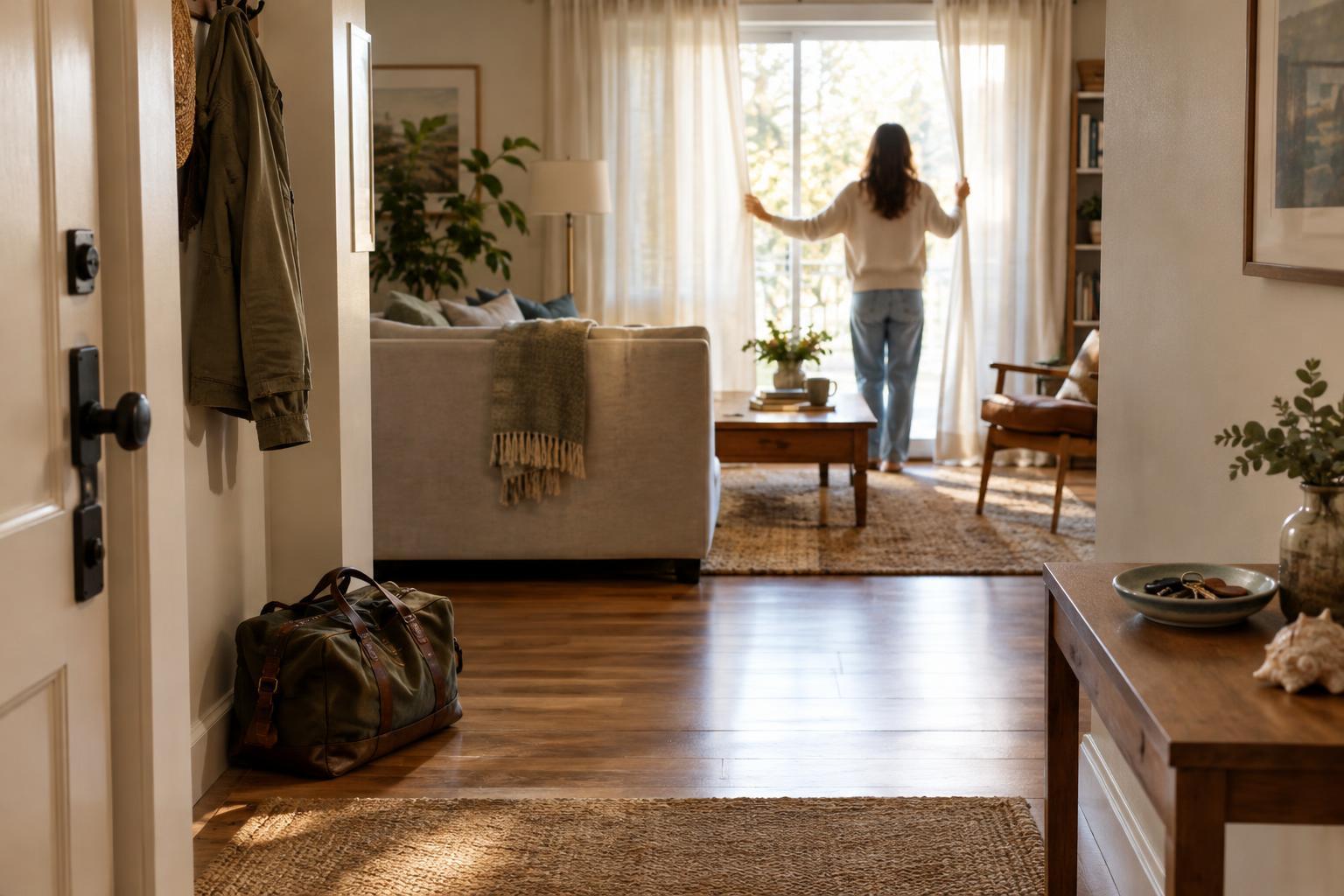
Sunlight can make a room feel welcoming, but it can also make a favorite seat uncomfortably warm. On cooler days, opening coverings when the sun reaches a room may help you enjoy that warmth. When the room begins to feel too hot, closing a shade or curtain before the sun hits your seating area may be more useful than waiting until you are uncomfortable. The best timing depends on the direction of your windows, the weather and your own schedule.
You can also move a reading chair or work surface a little farther from a sunny window without redesigning the room. Try the change for a week before buying anything. If you enjoy learning why sunlight affects surfaces differently, Physics Explained · AcceleratingFuture Science is an option for further browsing about physics; your own observations will still be the best guide to arranging your space.
Make the comfort of a seat easy to adjust
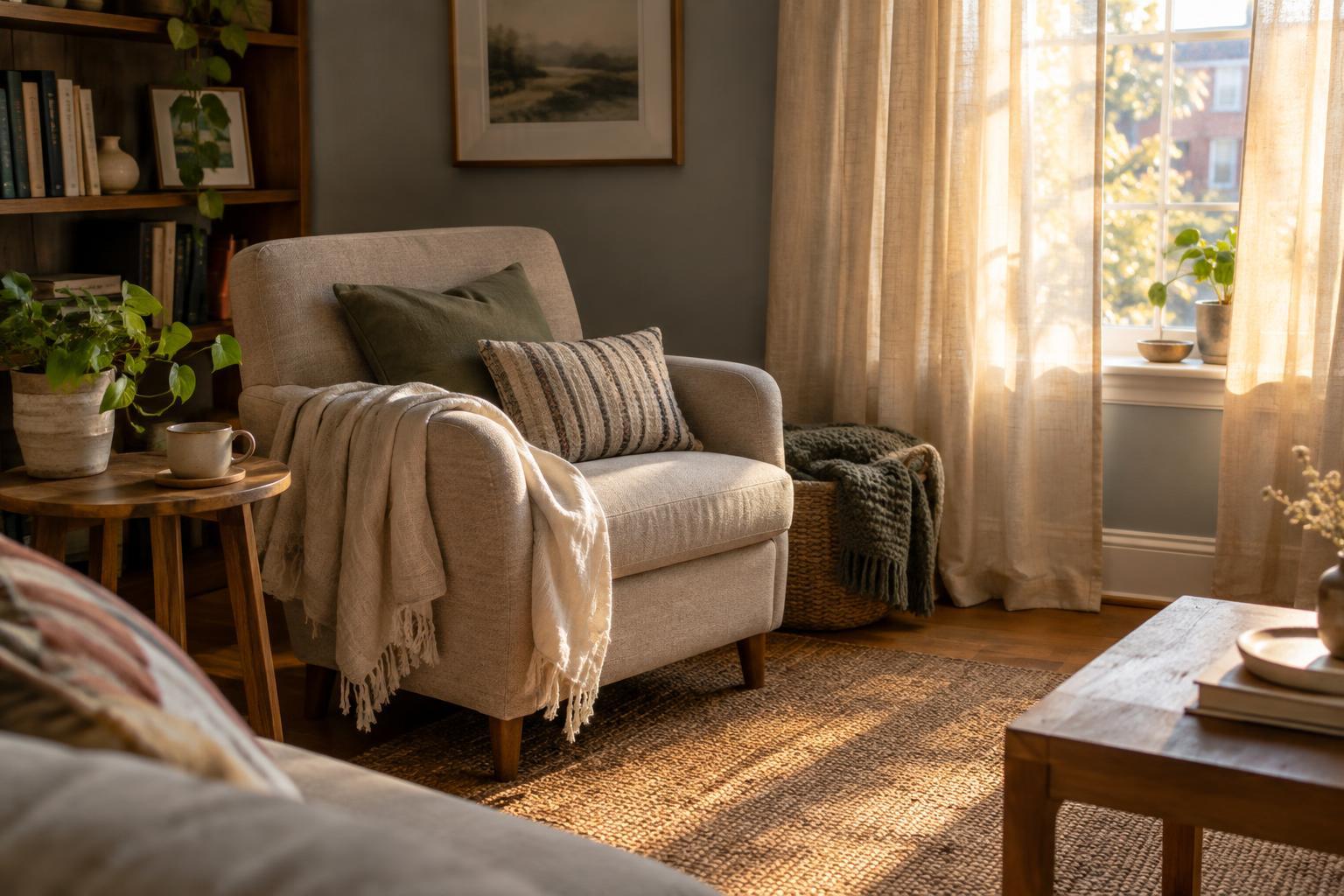
Keep a few useful layers close to where people sit: a washable throw on the sofa, a cushion for a firm dining chair, or slippers near the door. These do not change the temperature of the entire room, but they can make an ordinary activity more pleasant without requiring everyone else to adapt. Choose items you will actually reach for and give each one an easy place to go when it is not needed.
Consider the surfaces you touch most often, too. A bare floor may feel less inviting underfoot than a mat beside the bed, while a thick blanket might be too much for someone who runs warm. Small, removable layers let people adjust their own comfort. If you want a broader science detour while thinking about how different materials feel, you can browse How Science Works · AcceleratingFuture Science; there is no need to master technical terms to make a practical choice at home.
Check the habits that affect a room
Before changing your setup, look at the ordinary activities that make a space feel warmer or cooler. Cooking can warm a nearby dining area. Several people sharing a small room may prefer lighter layers than one person sitting alone. A door that is frequently left open can change how a space feels. Recognizing these patterns helps you make adjustments at the times they matter, rather than treating every uncomfortable moment as a permanent problem.
Keep simple safety and access in mind. Do not cover heaters or vents with furniture, curtains or stored items, and keep walkways clear when shifting chairs or adding rugs. If you use heating or cooling equipment, follow its instructions rather than improvising a workaround. For general-interest reading beyond the home, AcceleratingFuture Science offers another place to browse science topics.
Build a small seasonal reset
When the weather begins to change, take ten minutes to reset the room you use most. Put the throw where it is easy to find, check whether a chair still suits its spot, and make sure window coverings are easy to open and close. Then ask whether your current routine makes sense: perhaps you want morning light in one season and shade during that same hour in another.
Make one change at a time so you can tell whether it helps. Comfort is personal, and the most effective setup is often a flexible one: a seat you can move, a covering you can adjust and a layer you can pick up or put away. Those choices make it easier for your home to work with your day, even when the temperature will not stay the same.