Start with a lunch you can assemble, not a recipe you must finish
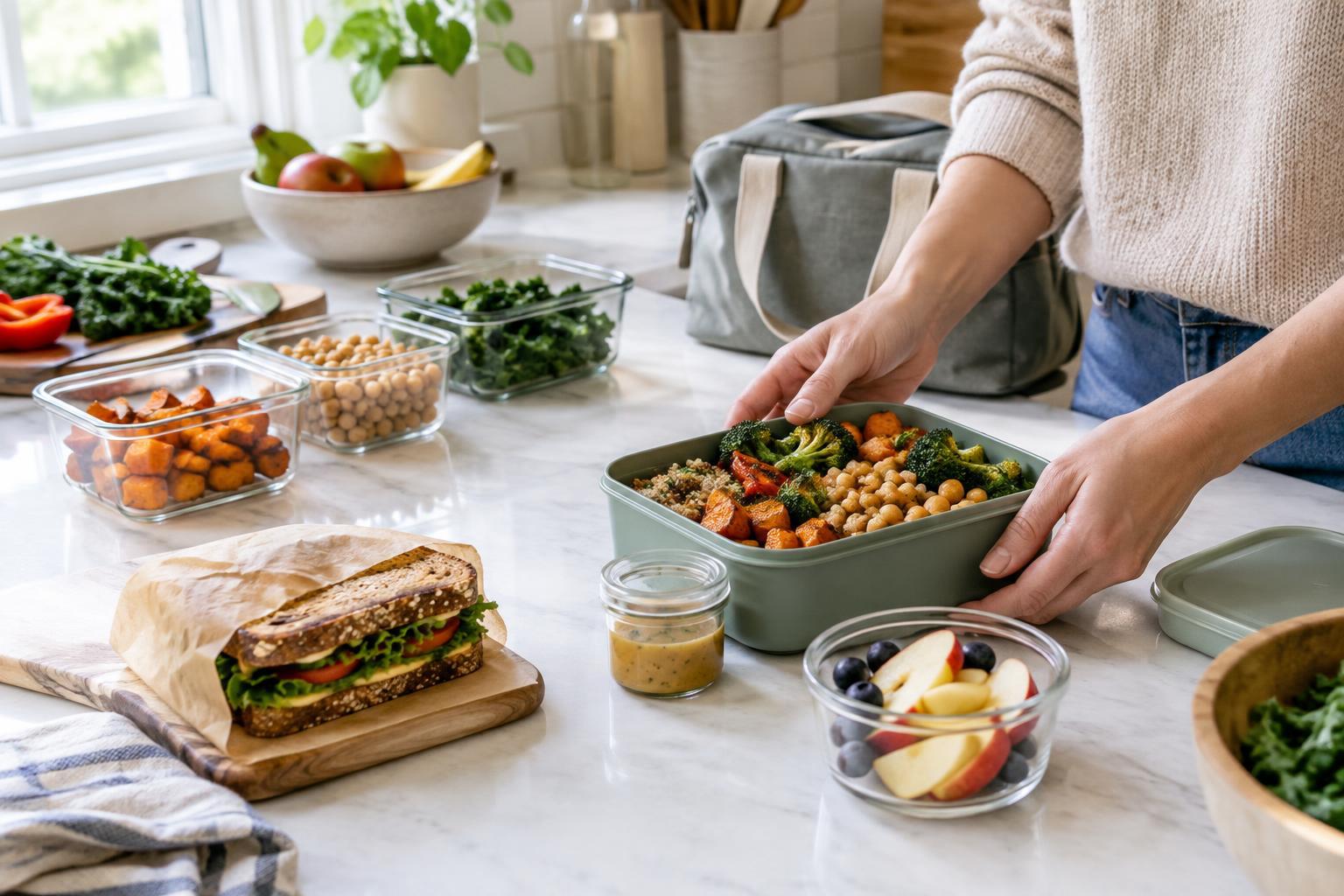
The easiest packed lunch is often a combination of familiar foods rather than a separate meal to cook. Pick a filling main, add something fresh, and include a small extra that makes lunch feel complete. A sandwich with sliced vegetables and fruit works. So does a grain bowl with beans, roasted vegetables and a dressing packed on the side. The goal is to give yourself a repeatable starting point, not a strict menu.
Think about how you will eat lunch, too. If you have a table and time to sit, a container of leftovers may be ideal. If your break is short or unpredictable, a wrap, pasta salad or snack-style box might be more convenient. Choose foods you actually enjoy at midday; a beautifully packed lunch is not useful if you regularly leave it untouched.
Choose a few ingredients that can do more than one job
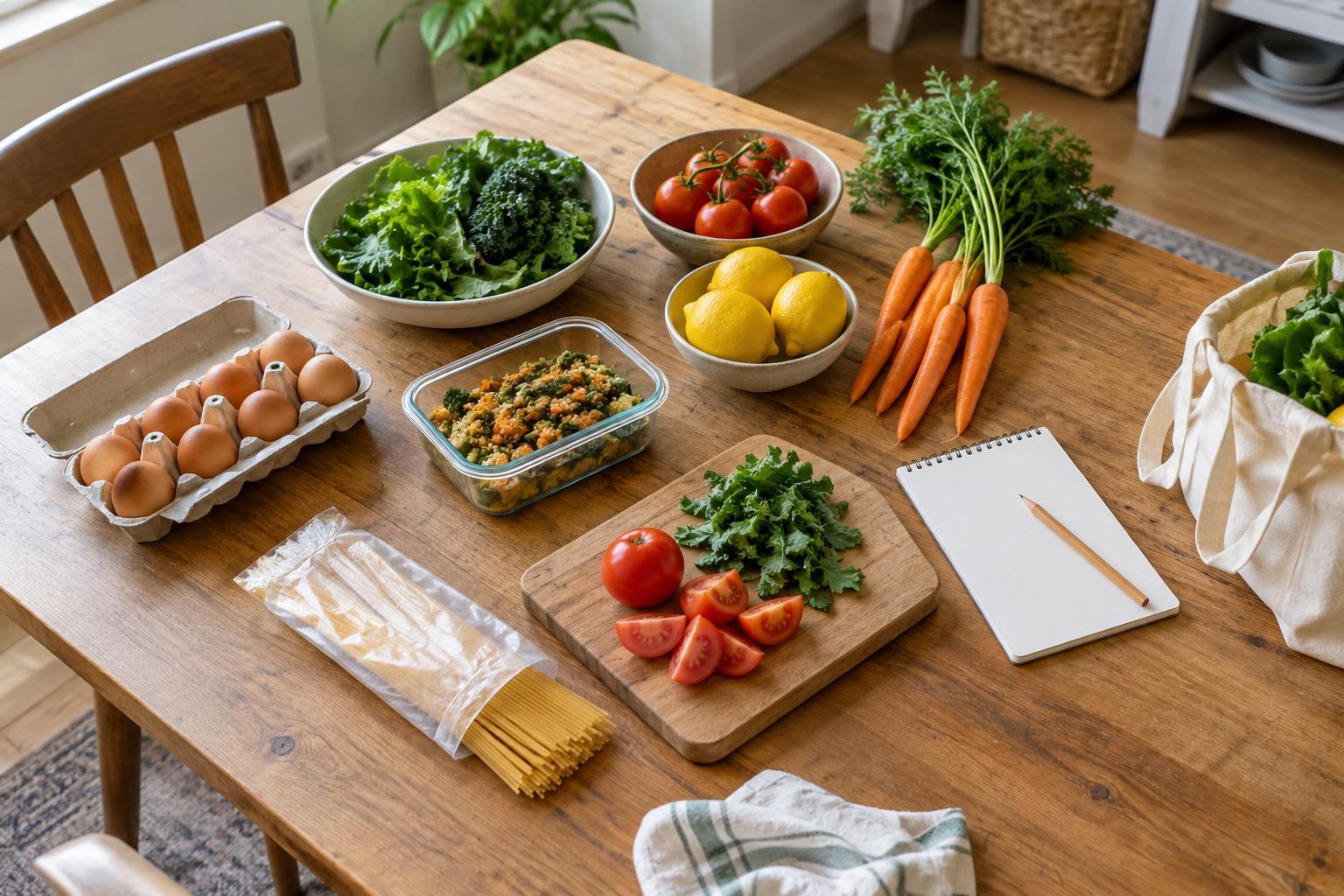
A small set of versatile ingredients can cover several lunches without making every day taste the same. Cooked rice or pasta can become a bowl one day and a salad the next. Washed greens, crunchy vegetables, cheese, eggs, beans or leftover cooked chicken can be combined in different ways. Keep a sauce or dressing separate until lunchtime when you want to protect crisp textures.
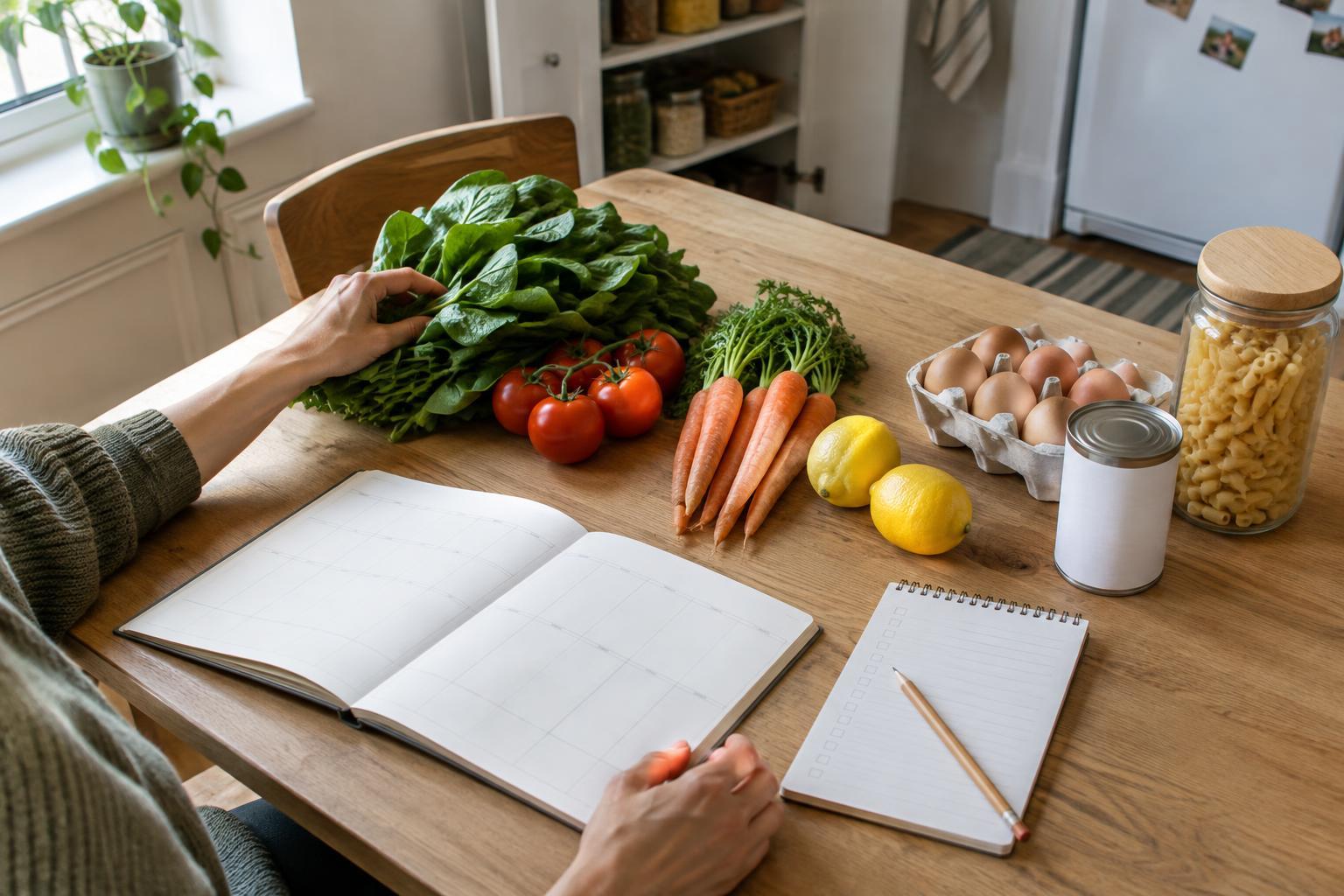
You do not need to prepare a full week of identical containers. If that feels tedious, prepare just two or three building blocks: cook a base, wash produce and portion a few extras. Then assemble lunch the night before from what is available. This approach also leaves room for dinner leftovers and helps you use ingredients before they are forgotten.
Make the night-before routine take less thought
The hardest part of packing lunch can be deciding what to pack when you are tired. Keep a short list of dependable combinations on your phone or inside a cupboard door. For example: hummus and vegetable wrap; leftover pasta with greens; rice, beans and chopped vegetables; or crackers, cheese, fruit and a hard-boiled egg. When you have a list, you can choose rather than invent.
Put your lunch container, utensils and any shelf-stable extras in the same place each evening. If you pack food in the morning, group the chilled items together in the fridge so they are easy to grab. A small note by your keys can help you remember the container. These details may seem minor, but reducing the number of morning decisions makes the habit easier to repeat.
Keep texture, storage and transport in mind
Packed food has to survive the journey to lunch. Place wet ingredients, such as tomatoes or dressing, away from bread and crackers. Layer sturdy ingredients beneath delicate greens, or carry components separately if you have space. A small reusable container for sauce can make a basic lunch more appealing without leaving everything soggy.
Follow sensible food-storage habits, especially when packing cooked leftovers, dairy, eggs or other perishable foods. Refrigerate them promptly and keep them chilled during transport with an insulated bag and cold pack if a refrigerator will not be available. Check that containers close securely, and use leftovers while they are still in good condition. If you are unsure whether a food has been stored safely, choose something else.
Build in an easy backup
Some weeks will not leave much room for preparation. Keep a few lunch-friendly staples on hand so a missed prep session does not mean starting from scratch. Shelf-stable items such as crackers, canned beans or fish, and nuts can pair with fresh produce or bread when you have it. Choose options that suit your preferences and the storage available at work.
It also helps to decide what counts as “good enough.” A simple sandwich, a piece of fruit and a snack can be a perfectly useful packed lunch. You can make it more varied when you have the time, but you do not need a new idea every day. Start with two lunches you find easy to pack, repeat them, and change one ingredient when you want something different.