Start with the life you have now
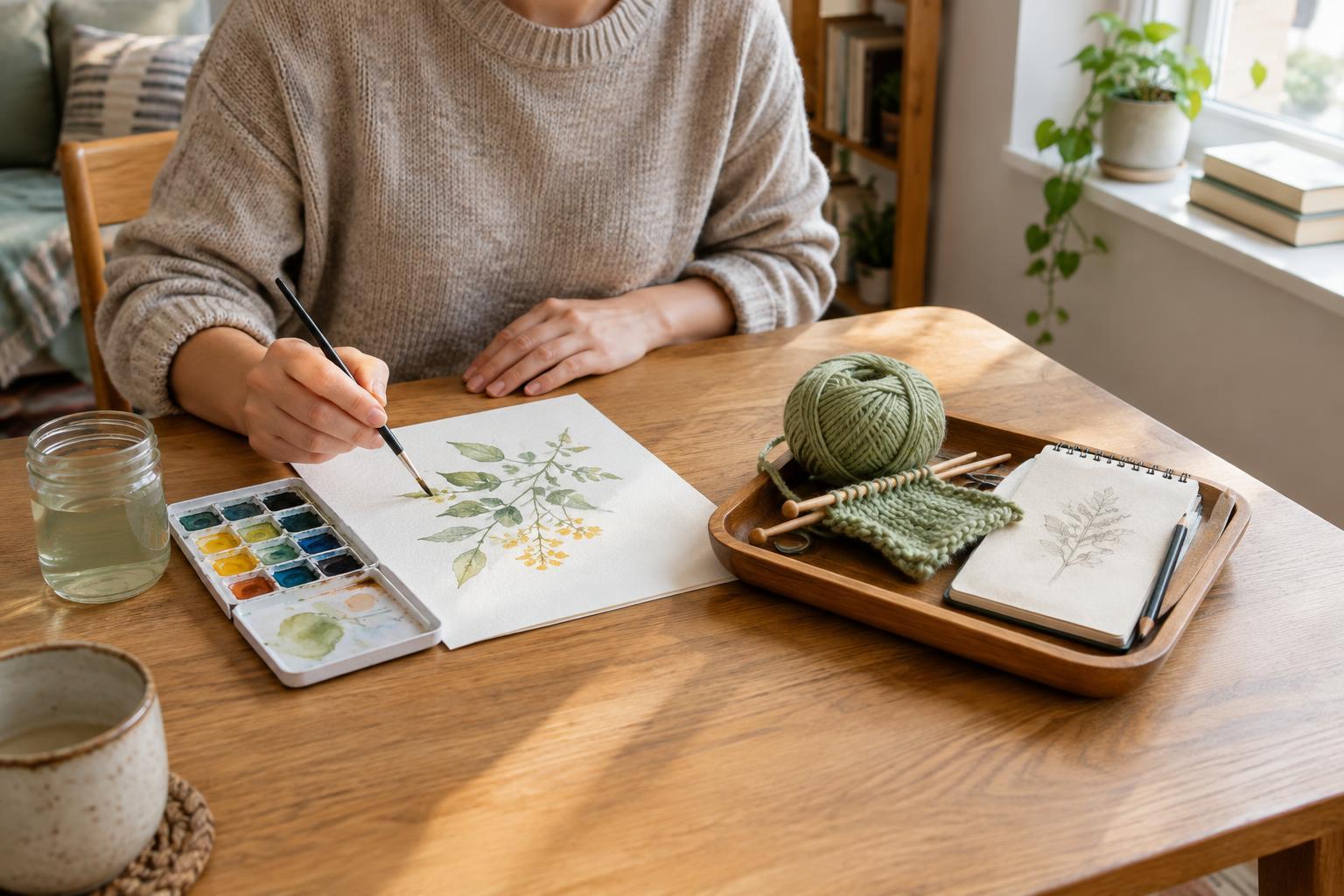
A hobby is easier to keep when it fits an ordinary week, not an imaginary one with endless spare time. Before choosing an activity, notice where a little creative time might fit. Could you enjoy ten minutes at the kitchen table, half an hour after work, or a longer session on a quiet weekend? There is no ideal schedule. The aim is to find a rhythm you would welcome rather than another task to complete.
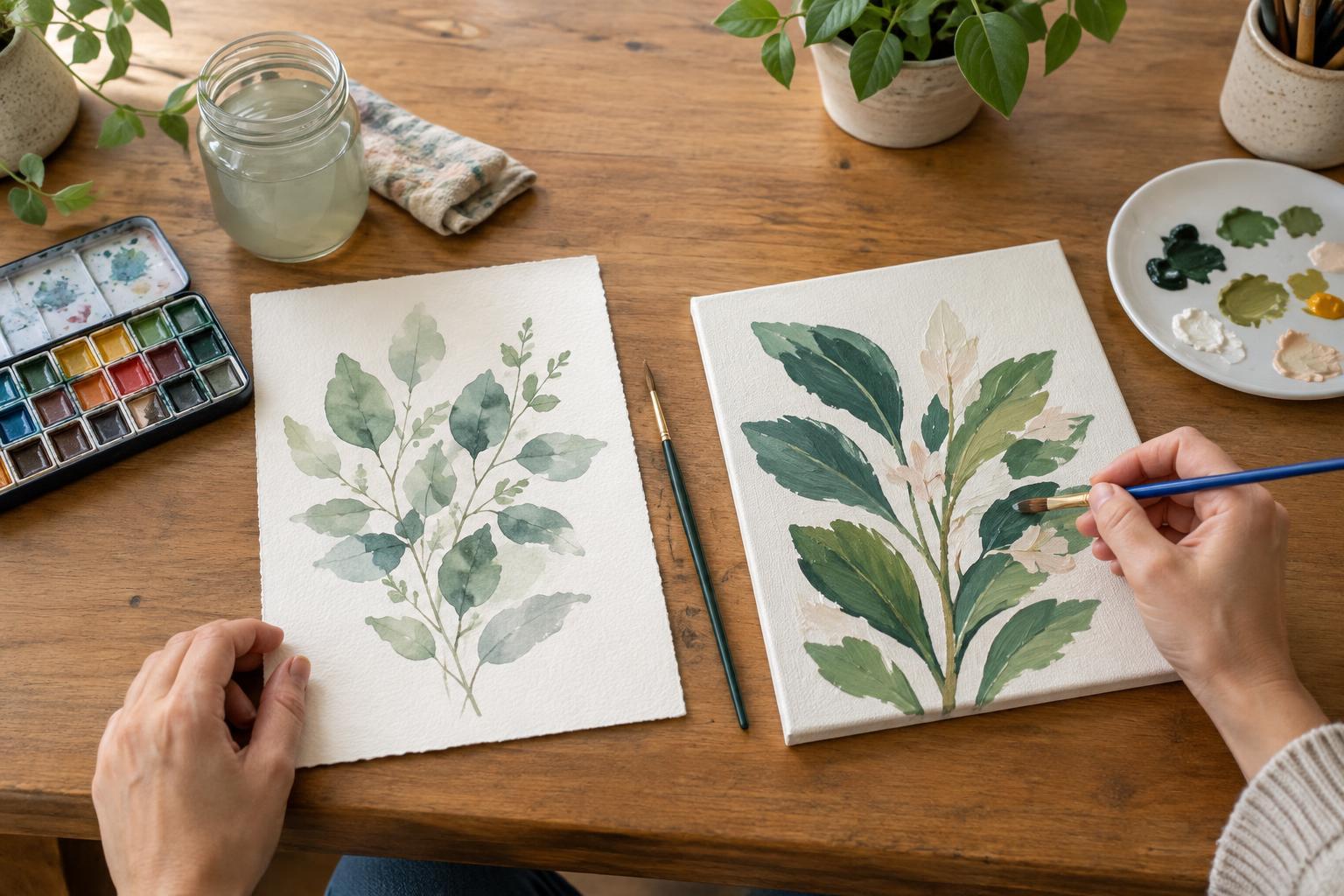
Think about what you want from the experience, too. You might want something calming and repetitive, such as stitching simple patterns, or something playful and experimental, such as making a collage. Perhaps you would rather use your hands than look at another screen. A hobby does not have to produce useful objects or impressive results. Enjoying the process is a good enough reason to choose it.
Match the setup to your time and space
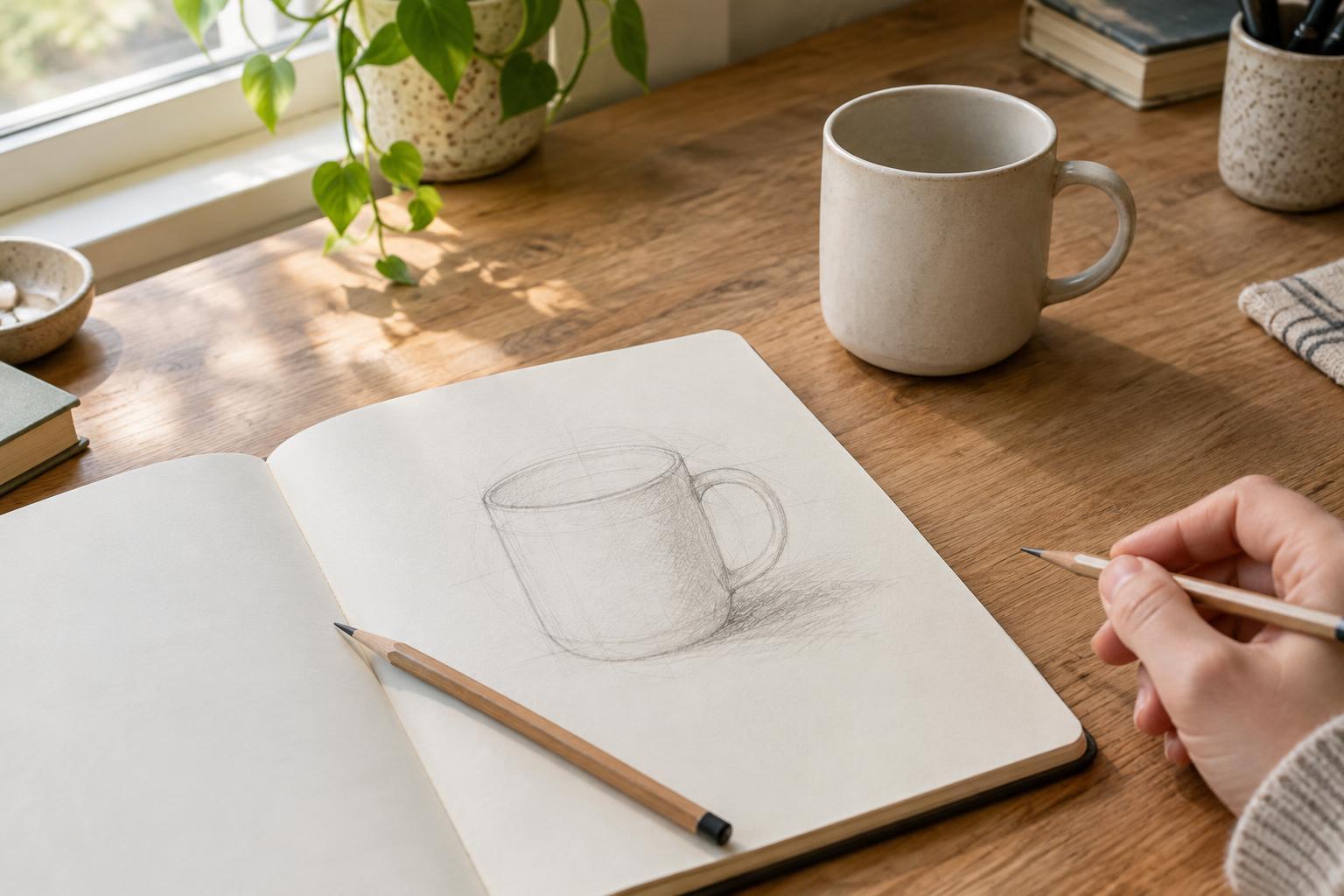
A short, frequent window suits hobbies you can start and put away quickly. Sketching in a small notebook, writing brief scenes, taking photographs on a walk, or making paper collages from a few saved scraps can work well. If you have longer stretches of time, you might enjoy projects with more stages, such as sewing, model making or learning an instrument. Consider setup and cleanup as part of the time commitment, not an afterthought.
Space matters in practical ways. Ask where you will work, where unfinished projects can wait, and what needs to be stored safely. If you share a table or live in a small home, a tray, pouch or single box can make a hobby easier to return to. Activities involving wet paint, strong smells, bulky equipment or lots of small pieces may need more planning. That does not rule them out; it simply helps you choose a version that works at home.
Set a comfortable budget before buying supplies
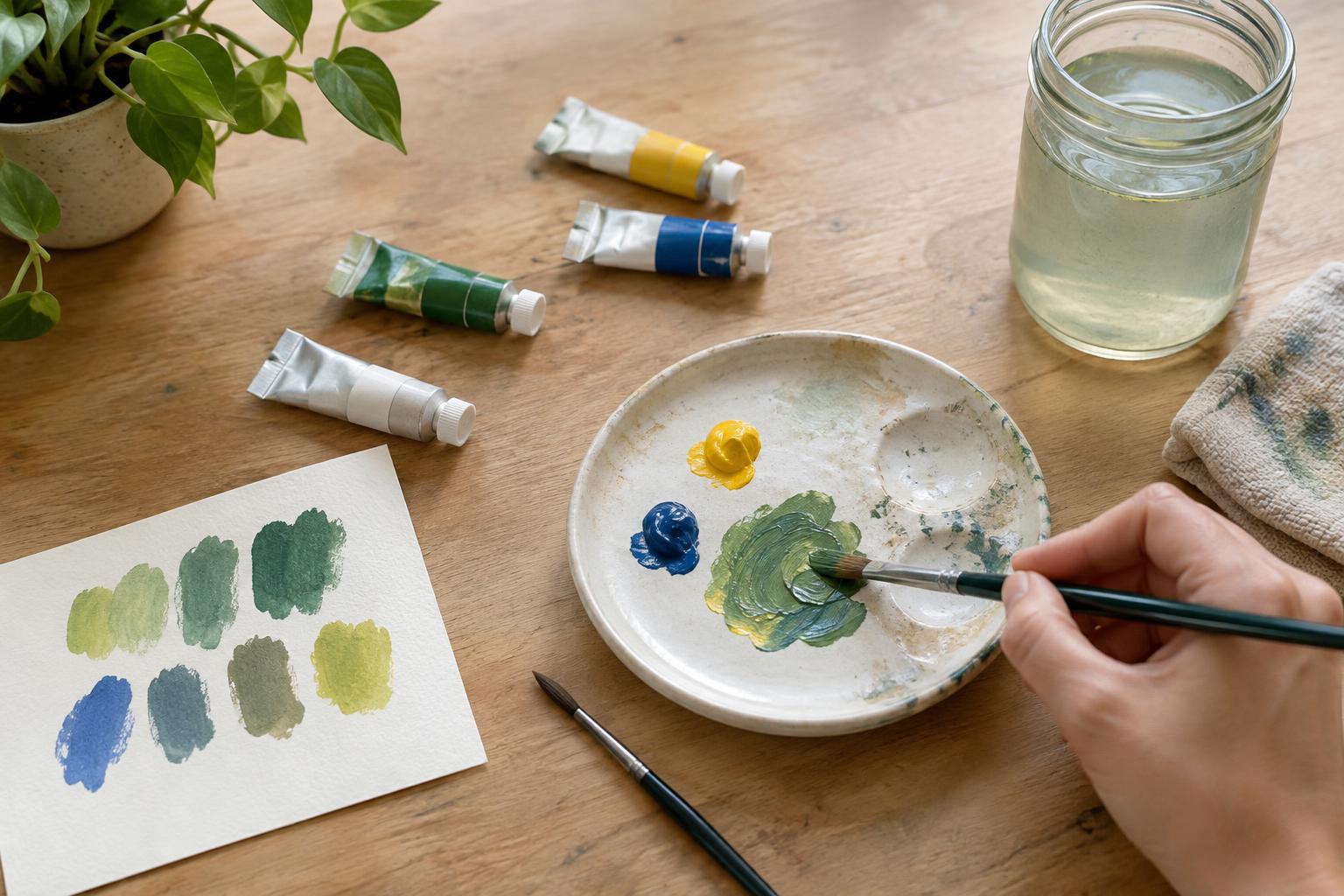
It is tempting to shop for a new identity before trying the hobby itself. Instead, decide what you are happy to spend on an experiment, including any replacement materials you would need later. Look for a modest starter option: a notebook and pencil for drawing, a small amount of yarn for crochet, or ingredients already in your kitchen for creative cooking. Borrowing equipment or using a local shared space may also be an option, depending on what is available to you.
Check the ongoing costs as well as the first purchase. Some hobbies use up materials with every project; others rely on a tool you can use repeatedly. You do not need the most specialized version of anything to begin. Once you know which part of an activity you enjoy, you can choose upgrades more thoughtfully—and skip the supplies that only looked appealing on the shelf.
Try a small version before you commit
Choose two or three possibilities and give each one a low-pressure trial. Make a postcard-sized drawing instead of planning a series. Write a single page rather than outlining a novel. Mend one small item before assembling a sewing kit. A tiny project tells you more about the experience than a long list of ideas will.
After each trial, ask a few simple questions: Did I like doing this, or mainly like the idea of being someone who does it? Was it easy enough to begin and tidy away? Would I want to return to it on a fairly ordinary day? Difficulty is not automatically a bad sign; learning can be satisfying. But if the setup consistently drains your enthusiasm, try a simpler approach or a different activity.
Make room for the hobby to change
Once something clicks, give it a welcoming place in your routine without making it a strict obligation. Keep the basic supplies together and leave yourself an easy next step, such as a blank page or a project ready to pick up. You might choose a regular time, or simply notice the moments when the activity feels inviting. Both approaches can work.
Your interests and circumstances may shift. A hobby that suits winter evenings might give way to one you can take outdoors; a busy month might call for smaller projects. You are allowed to pause, return, or try something new. The best fit is not necessarily the activity you pursue most intensely. It is one that gives you a little room to make things, explore ideas and enjoy your own attention within the life you already lead.