Start with the feeling you want to bring home
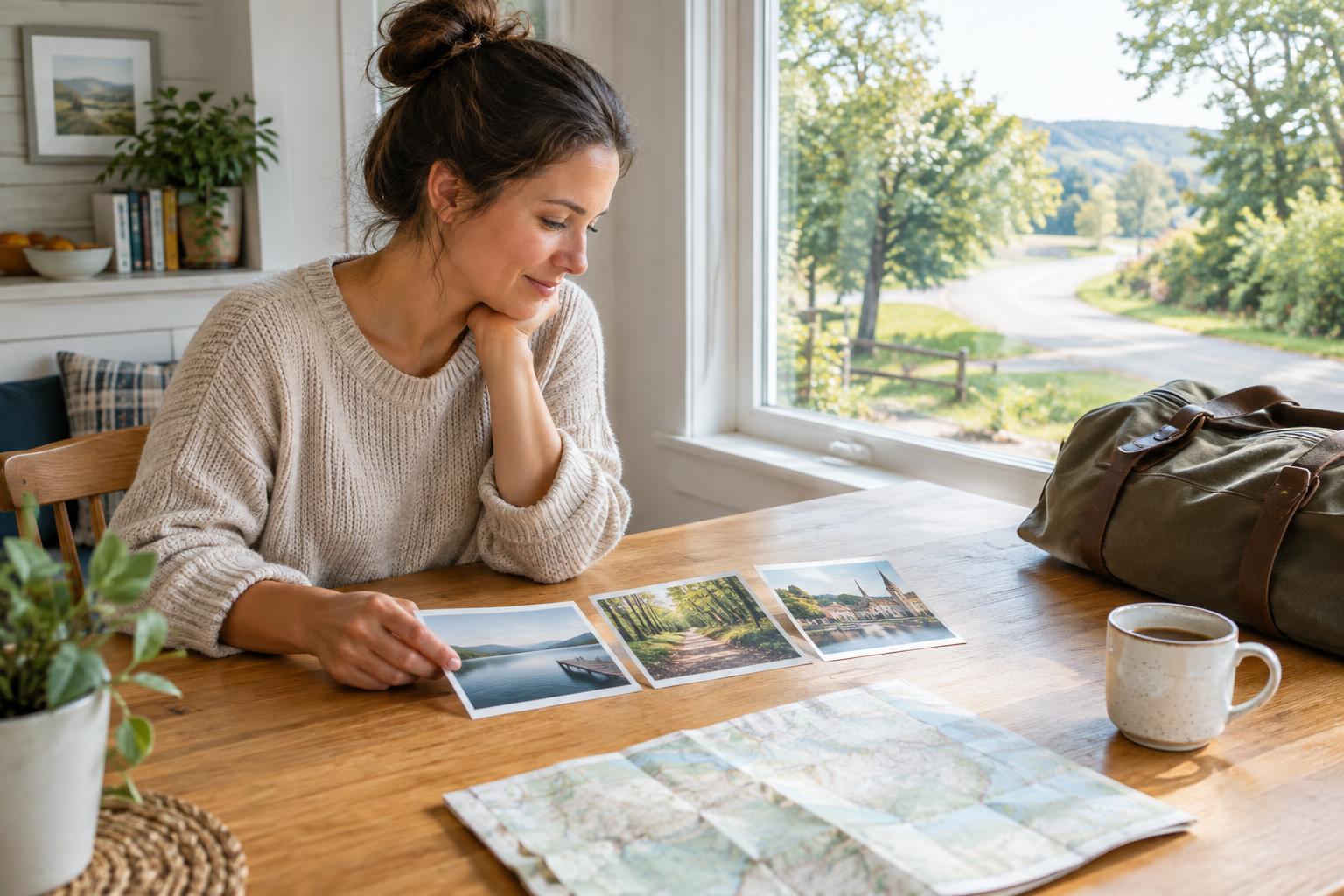
A short break can mean a few hours somewhere different or a night away from home. Neither is automatically more refreshing. Before looking at destinations, ask what you want to change about your usual day. Are you hoping to see something new, spend unhurried time with someone, sleep without your usual to-do list nearby, or simply get outside? The answer gives you a better starting point than the number of miles you could travel.
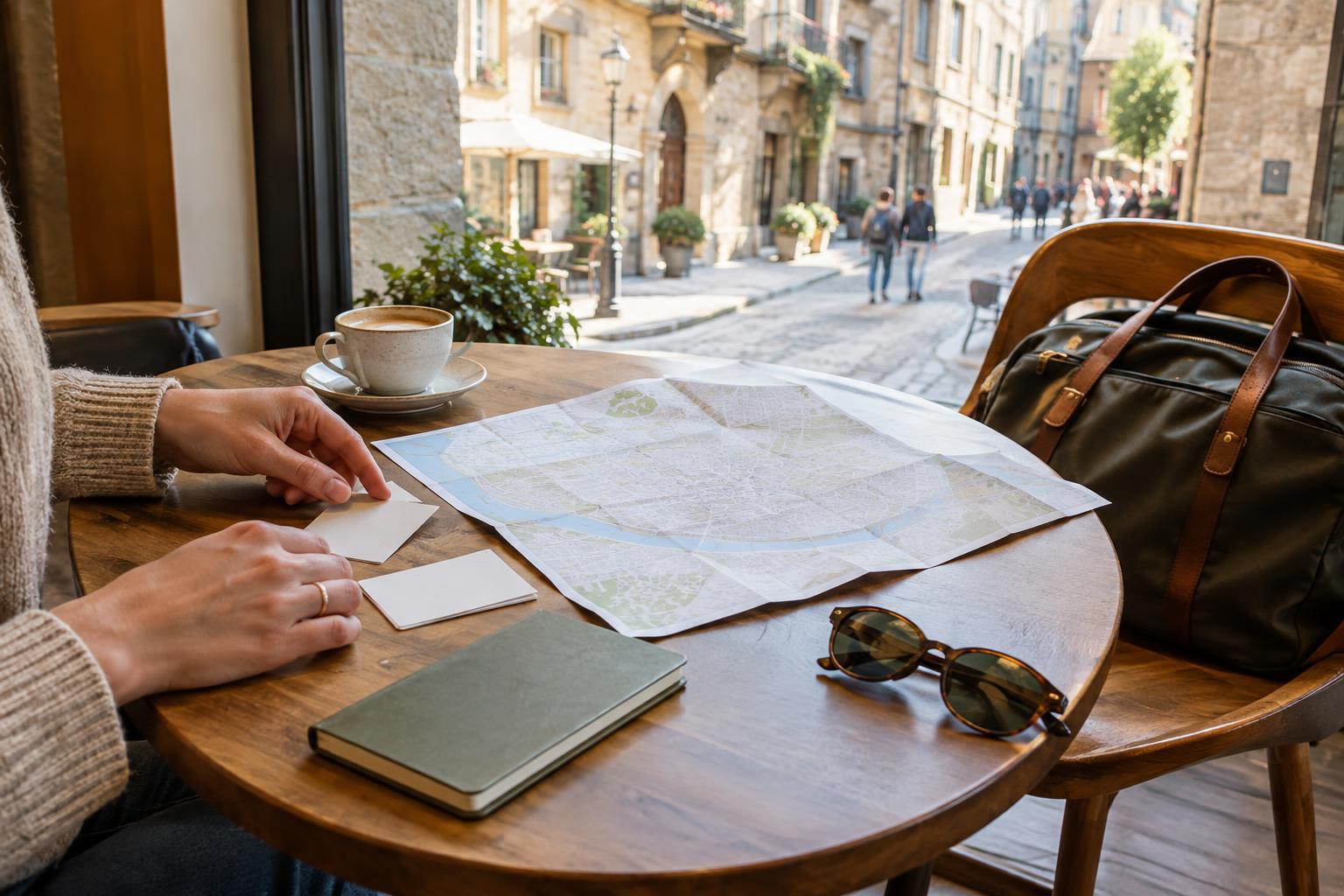
A day trip often suits a specific plan: a walk, a gallery visit, a long lunch or a browse around a nearby town. An overnight stay gives you room for an evening and a morning in the same place. That extra time can feel generous, but only if you want to use it. You do not need to book a room to make a break count.
Compare travel time with time you can enjoy
Look at the whole journey, not just the time shown on a route planner. Getting ready, reaching a station, parking, waiting and finding your way around all take energy. For a day trip, ask whether the journey leaves enough time to enjoy your main activity without watching the clock. A nearby place with one appealing thing to do may be a better choice than a more exciting destination that requires a rushed return.
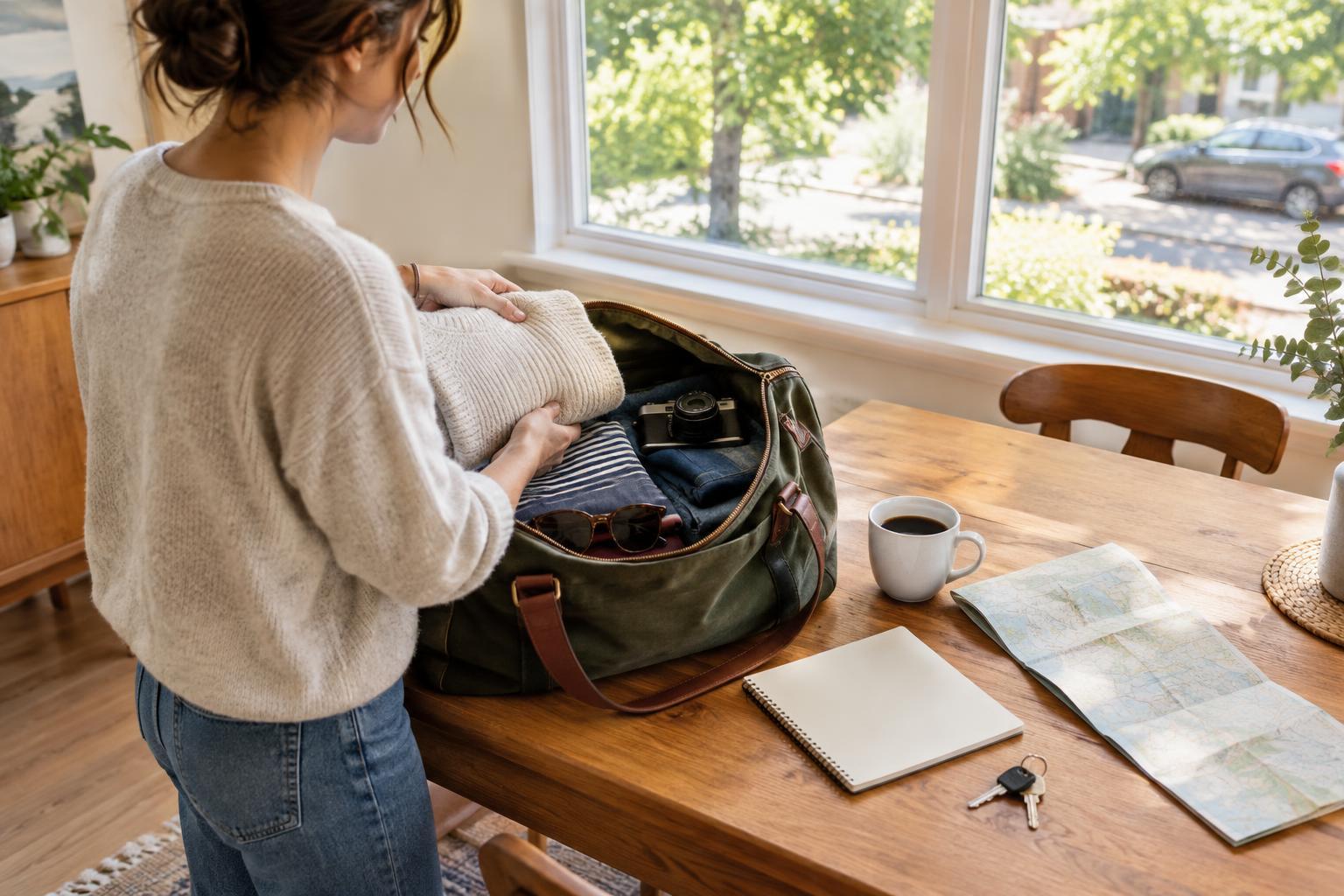
Staying overnight can make a longer journey feel worthwhile because you do not have to travel both ways on the same day. It may also let you enjoy a relaxed dinner or an early start before a place gets busy. On the other hand, check-in, packing and another journey the next morning add their own tasks. If those tasks sound like work rather than a pleasure, a simpler day out may serve you better.
Be honest about cost and effort
An overnight stay usually brings more decisions and expenses: accommodation, meals away from home and whatever you need to carry. A day trip can be easier to keep modest, especially if you bring food or choose a free activity. It can still become costly once transport, entry fees and spontaneous stops are included. For either option, make a quick list of the likely costs before you commit, leaving a little room for small changes.
Effort matters as much as money. If your week has already been full, one outing with a clear start and finish might feel restful. If home is where you tend to notice unfinished jobs, leaving for a night could offer a more complete pause. Think about the people coming with you, too. A companion who needs frequent breaks, an early bedtime or a flexible schedule may enjoy a different pace from yours.
Choose a pace, not a packed itinerary
Once you have chosen the length of your break, give it a light structure. For a day trip, pick one main activity and one optional extra. Decide roughly when you will head home while you still have enough energy for the return journey. That makes it easier to enjoy an unexpected café or a slower walk without feeling that the day has gone off plan.
For an overnight stay, resist the urge to fill every hour just because you have paid to be there. Choose what you would most like to do on arrival, then leave some space around the next morning. Check practical details such as opening hours, transport and accommodation arrangements before you go, but let the rest stay flexible. A short break is often more satisfying when you have time to notice where you are.
Use a simple tie-breaker
If both options appeal, imagine arriving home afterward. Would you rather return that evening with a few good memories and your own bed waiting? Choose the day trip. Would you feel disappointed to leave just as you were settling in? Consider staying overnight. You can also scale the idea down: take a day trip closer to home now, then save the longer destination for a time when you have more energy or room in your budget.
The best break is the one that fits your life as it is, not the one that looks most impressive on a calendar. Give yourself enough time for the experience you want, keep the logistics manageable and leave space to enjoy it. Whether you come home before dark or the following day, a thoughtful change of pace can make ordinary routines feel easier to return to.