Start with the weekend you’re actually taking
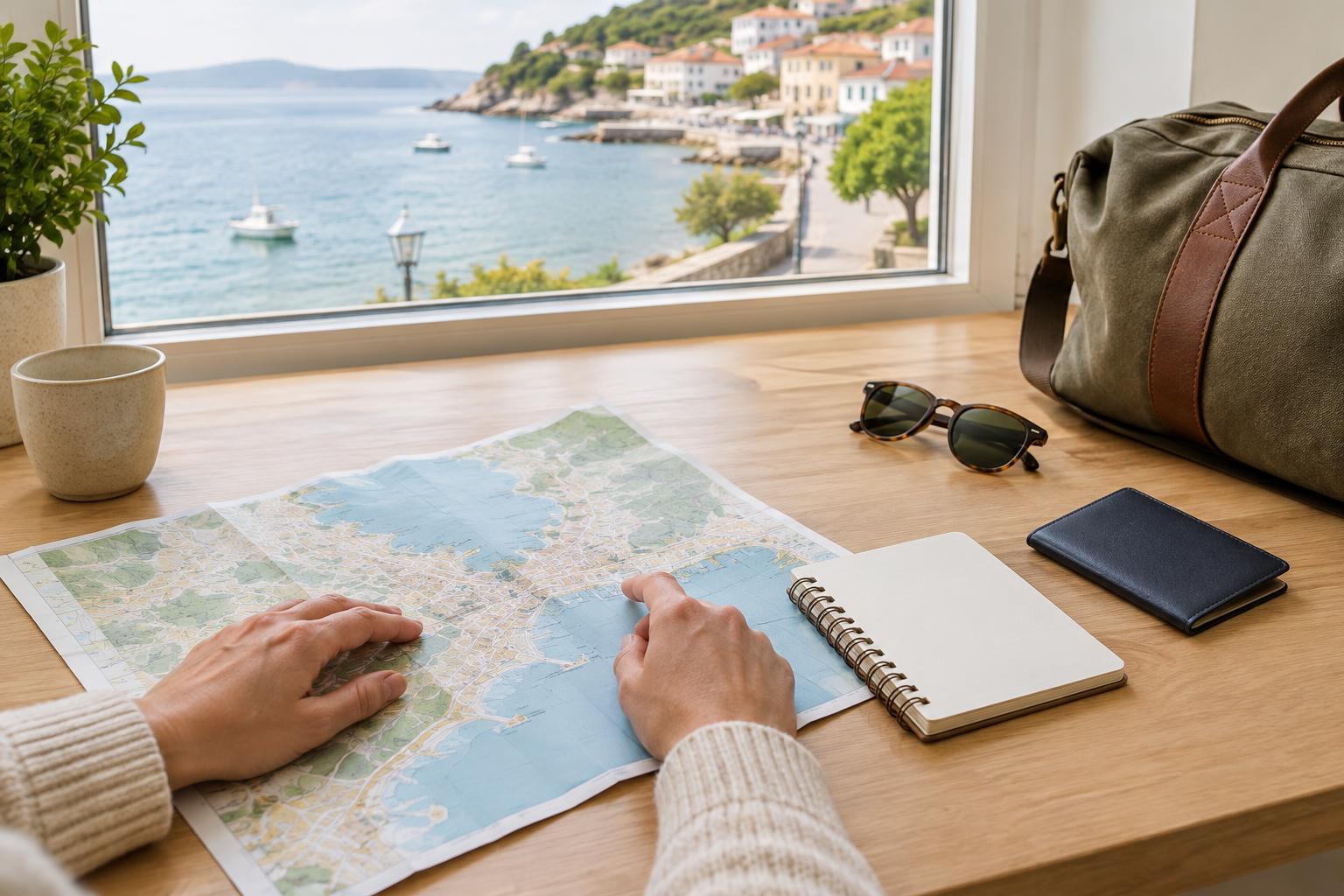
Packing light is easier when you picture your plans before opening a drawer. Think through the trip in broad blocks: travel, daytime activities, evenings and the journey home. Check the forecast close to departure, and consider whether you’ll spend most of your time walking, sitting outside or relaxing indoors. This gives each item in your bag a job.
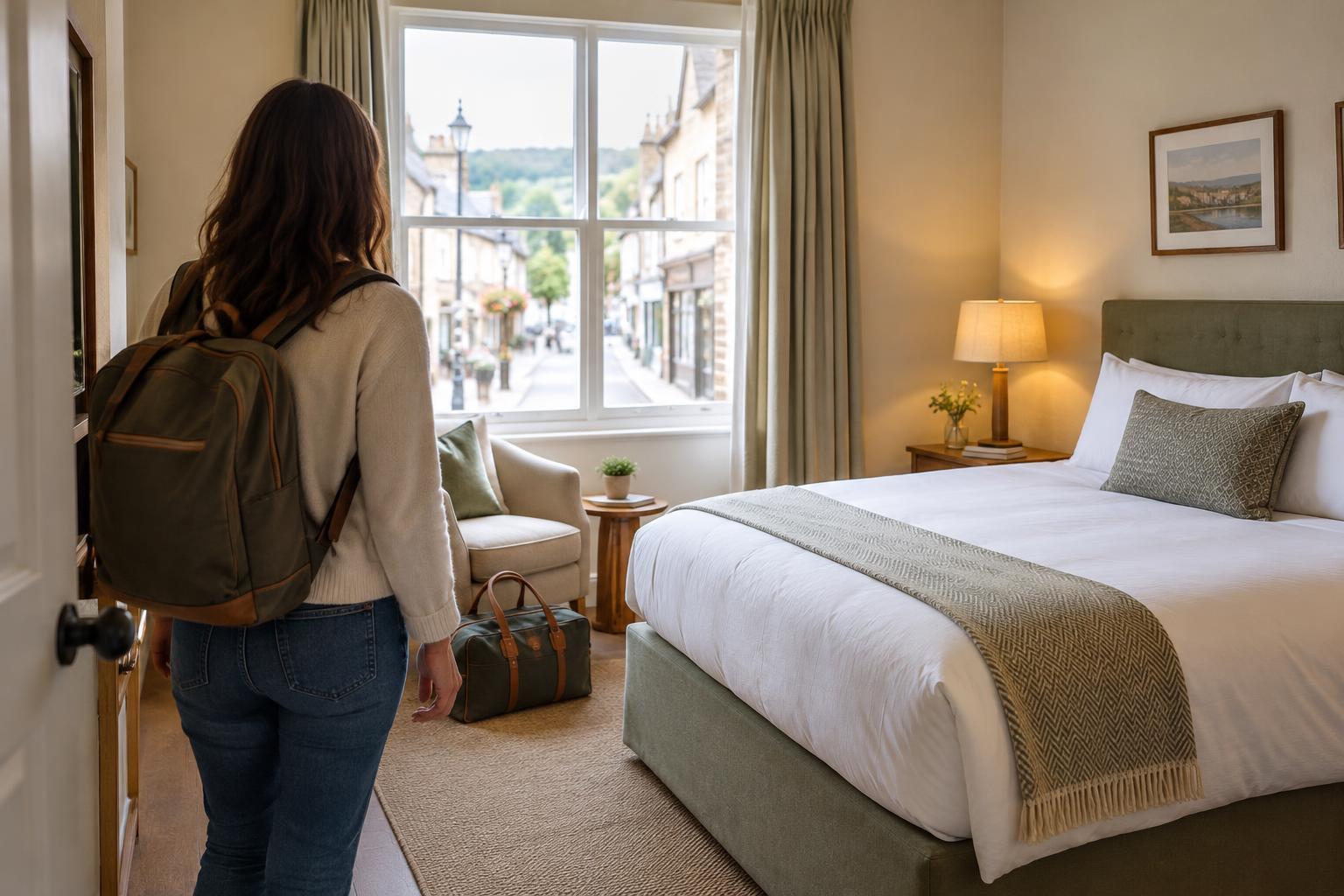
Choose your bag early, then treat its size as a boundary rather than a challenge to fill every corner. A small suitcase, backpack or weekender can all work; the right choice is one you can carry comfortably. If your plans are uncertain, pack for the most likely day and add one flexible layer instead of several complete backup outfits. Check any baggage rules that apply to your journey before deciding what to bring.
Build outfits around a few pieces
A light wardrobe works best when most pieces can be worn together. Pick a simple colour range and choose clothes that feel comfortable for the activities you have planned. For a typical two-night trip, that might mean one travel outfit, one spare top, one additional bottom or dress, sleepwear, underwear and socks. Adjust the number of changes if you expect muddy walks, a special dinner or limited chances to freshen up.
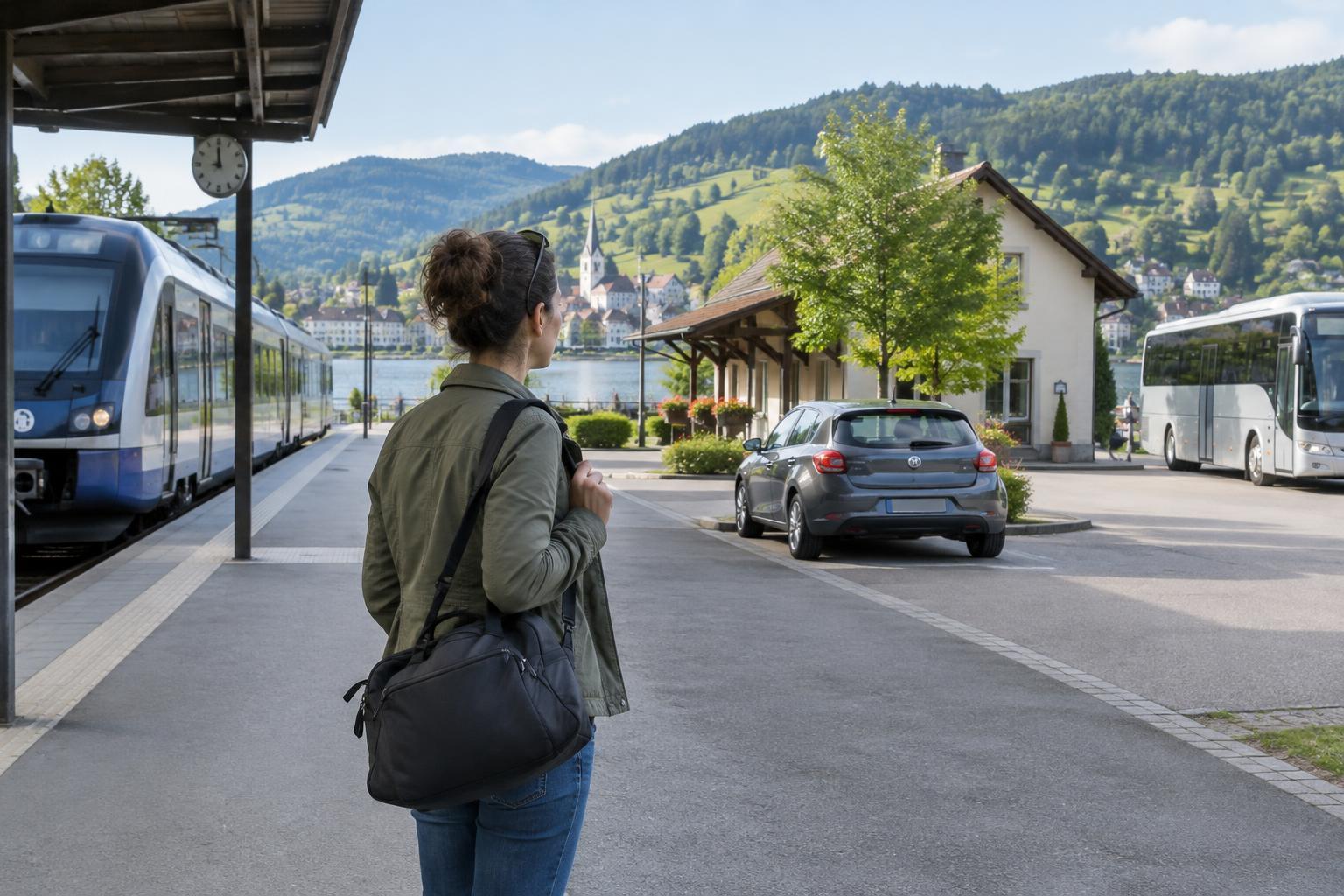
Wear your bulkiest useful items in transit, such as a jacket and your main walking shoes. Try to bring one pair of shoes that can handle most of the weekend, and add a second pair only if a specific activity calls for it. Before packing an extra item, ask what you would wear it with and when. If the answer is vague, it can probably stay home.
Layers are often more useful than separate outfits for every temperature. A light sweater or overshirt can make a daytime outfit suitable for a cooler evening without taking up as much space as another full change of clothes. Choose fabrics and pieces you already enjoy wearing; a weekend away is not the ideal time to test an outfit that feels awkward.
Keep toiletries and small essentials contained
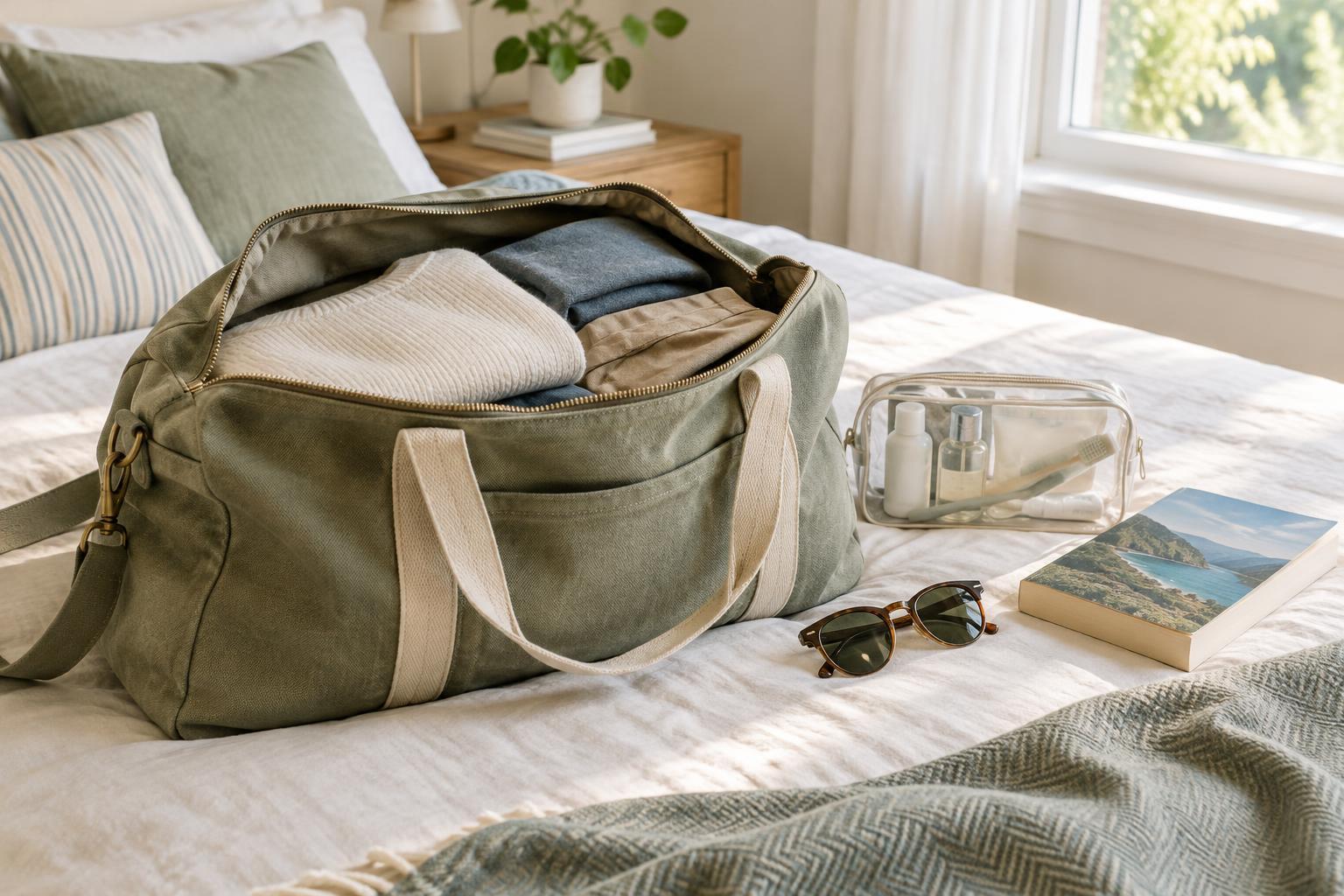
Toiletries can quietly take over a bag. Start with what you use every day, then separate true essentials from products you might use. Put small amounts in secure travel containers where appropriate, or bring compact versions you already own. If you’re staying somewhere that provides basics, check what is available rather than assuming you need to carry duplicates. Pack liquids in a pouch that can contain a spill.
Give the little things one home. A small pocket or pouch can hold a charger, any necessary medication, keys and other easy-to-lose items. Keep your wallet, travel documents and anything you’ll need during the journey within easy reach. If you’re travelling by air, check the relevant rules for liquids and items in your carry-on before you leave.
Pack for access, not just space
A tightly packed bag is not always an easy bag to use. Group similar things together so you can find them without unpacking everything. Fold or roll clothes in whichever way helps them fit neatly and stay visible. Put shoes in a separate bag if their soles may mark your clothes, and keep an outer layer accessible in case you need it before arriving.
Leave a little spare room for a snack, a book or something you pick up during the trip. If the bag feels heavy when you lift it at home, remove one or two low-priority items rather than counting on finding a more comfortable way to carry them later. The aim is not to reach the smallest possible bag; it’s to move through the weekend without wrestling your belongings.
Use a quick final check
Before closing your bag, walk through the weekend once more. Do you have something to wear for each planned activity, weather protection that makes sense, and the essentials for sleeping and getting ready? Then check the items that are easiest to forget: phone charger, glasses or contacts if you use them, medication and anything needed for travel or accommodation.
After you get home, notice what stayed untouched and what you wished you had brought. That small review can make the next trip simpler. Packing light is a habit built from paying attention to your own weekends, not following a rigid list.