Work out which sounds bother you most
Apartment noise rarely has one source. Footsteps from above, conversation through a shared wall, traffic outside and the hum of your own appliances all behave differently. Before buying anything, spend a few ordinary days noticing when the noise happens, where you hear it most clearly and whether it seems to enter through a window, door, wall or floor.
This quick check helps you choose a realistic fix. A room that sounds hollow may benefit from more soft surfaces. A drafty front door may let hallway voices through its gaps. Low thumps from another unit, on the other hand, can be difficult to change from your side of the building. Aim to reduce the sounds you can control and make the rest less disruptive, rather than expecting complete silence.
Soften echoes inside your rooms
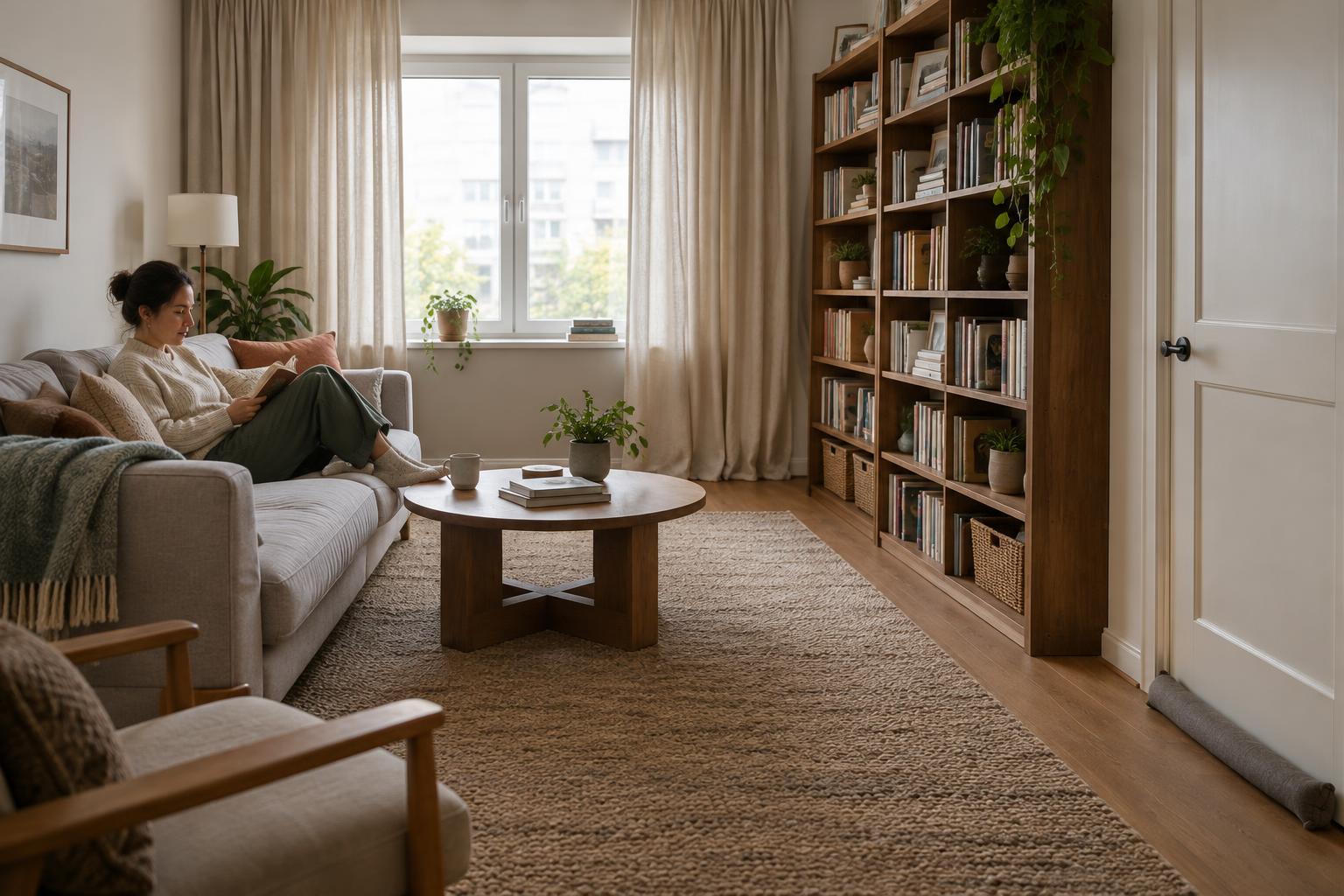
Hard floors, bare windows and mostly empty rooms can make ordinary sounds seem sharper. A rug with a suitable underlay can soften footfall and reduce the clatter of moving chairs. Curtains, upholstered furniture and fabric cushions can also make a room feel less echoey. You do not need to cover every surface; even a few additions in the room where you work or relax may make it more comfortable.
Consider the sounds your apartment sends to others, too. Felt pads under chair and table legs help prevent scraping. A mat near the entryway can soften the noise of shoes and dropped keys. If you exercise at home, choose a stable, cushioned surface and avoid high-impact movements at times when neighbors may be resting. These changes are small, but they can make daily living gentler on both sides of a shared floor.
Check doors and windows for gaps
Sound often travels through the same openings that let in air. If hallway conversation is especially clear near your front door, look for visible gaps around the frame or beneath the door. Removable weatherstripping or a well-fitting door sweep may help, provided the door still opens, closes and latches properly. For a rental, check what changes are allowed before attaching anything permanent.
At windows, make sure the existing seals are intact and that the window closes fully. Heavy curtains may make a room feel quieter and less exposed, but they are unlikely to block loud traffic on their own. If a window or door is damaged, report it to your landlord or building manager rather than trying to seal it with a makeshift barrier. Never block a required exit or ventilation opening in the name of noise control.
Arrange furniture around the noise
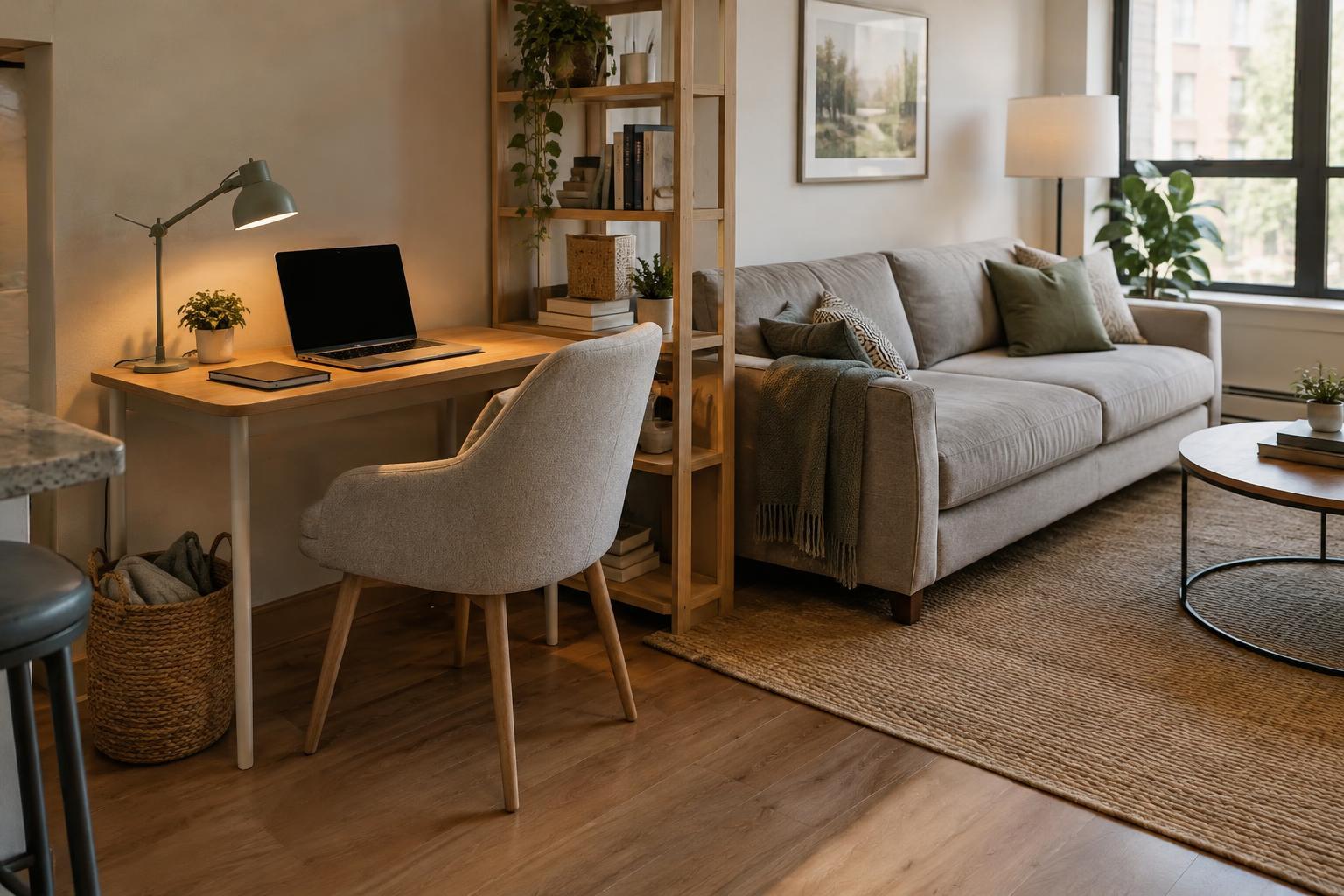
Furniture placement cannot soundproof a wall, but it can change how you use the space. If your desk faces a busy hallway wall, try moving it to a quieter corner. A bookcase against a shared wall can add some mass and soften reflections within your room, especially when its shelves are filled unevenly with books and other objects. Keep heavy furniture secure and avoid placing it where it narrows a walkway.
Give your quietest activity the quietest available spot. That might mean placing a reading chair away from the window or moving the bed to a different wall if the layout permits. In a small apartment, even changing which way a chair faces can make a distracting sound less prominent. Try temporary rearrangements for a week before deciding whether they are worth keeping.
Build a calmer routine without chasing silence
Some everyday noise is easier to manage than to remove. Set appliances that vibrate on a level surface, and check whether loose items are rattling nearby. Keep speakers off shared walls when possible, and use a comfortable volume, particularly at night. A fan or low, steady background sound may make unpredictable noises less noticeable, though it should not have to compete with them at a high volume.
If noise from another apartment is persistent, a polite, specific conversation may help more than a general complaint. Describe the sound and when you tend to hear it, without assuming the other person knows it carries. If speaking directly feels uncomfortable, use the building’s usual contact process. The goal is a workable shared routine, not a perfectly silent home. Start with one change that matches the noise you hear most often, then see whether your apartment feels easier to live in.