Start with the shape of the day
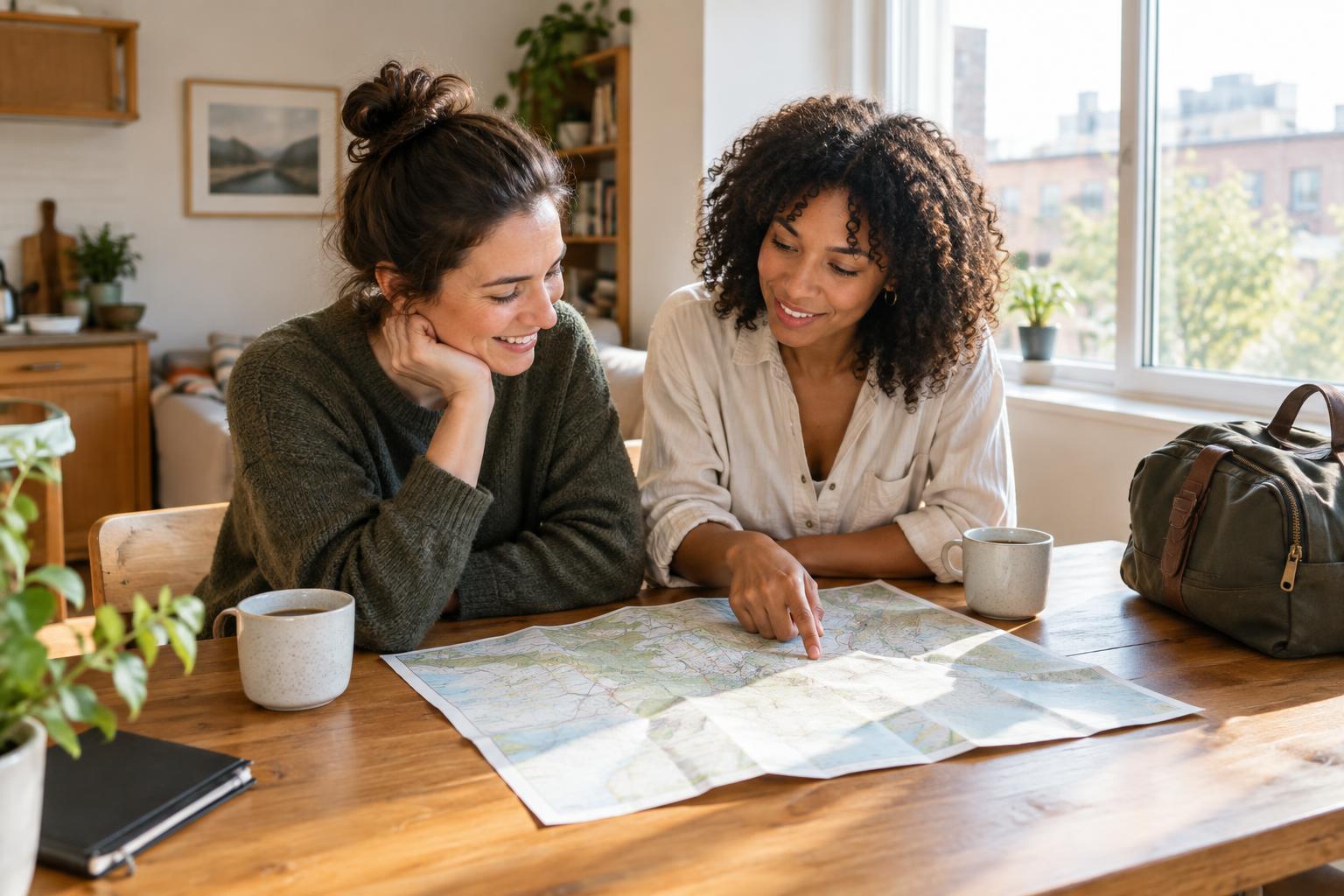
Before choosing where to eat, sketch the day in broad blocks: when you expect to leave, what you most want to do, and when you hope to be home. Note any fixed times, such as a train departure or an entry slot. Then look for natural gaps between activities. A meal usually feels less disruptive when it falls between destinations rather than halfway through something you are enjoying.
Think about who is coming and how they tend to spend their energy. A leisurely walk may call for a different rhythm than a busy museum or a day with children. If your plans involve a long journey, count that as part of the outing too. You might want a pause soon after arriving instead of heading straight into the next activity.
Choose meal stops that fit the route
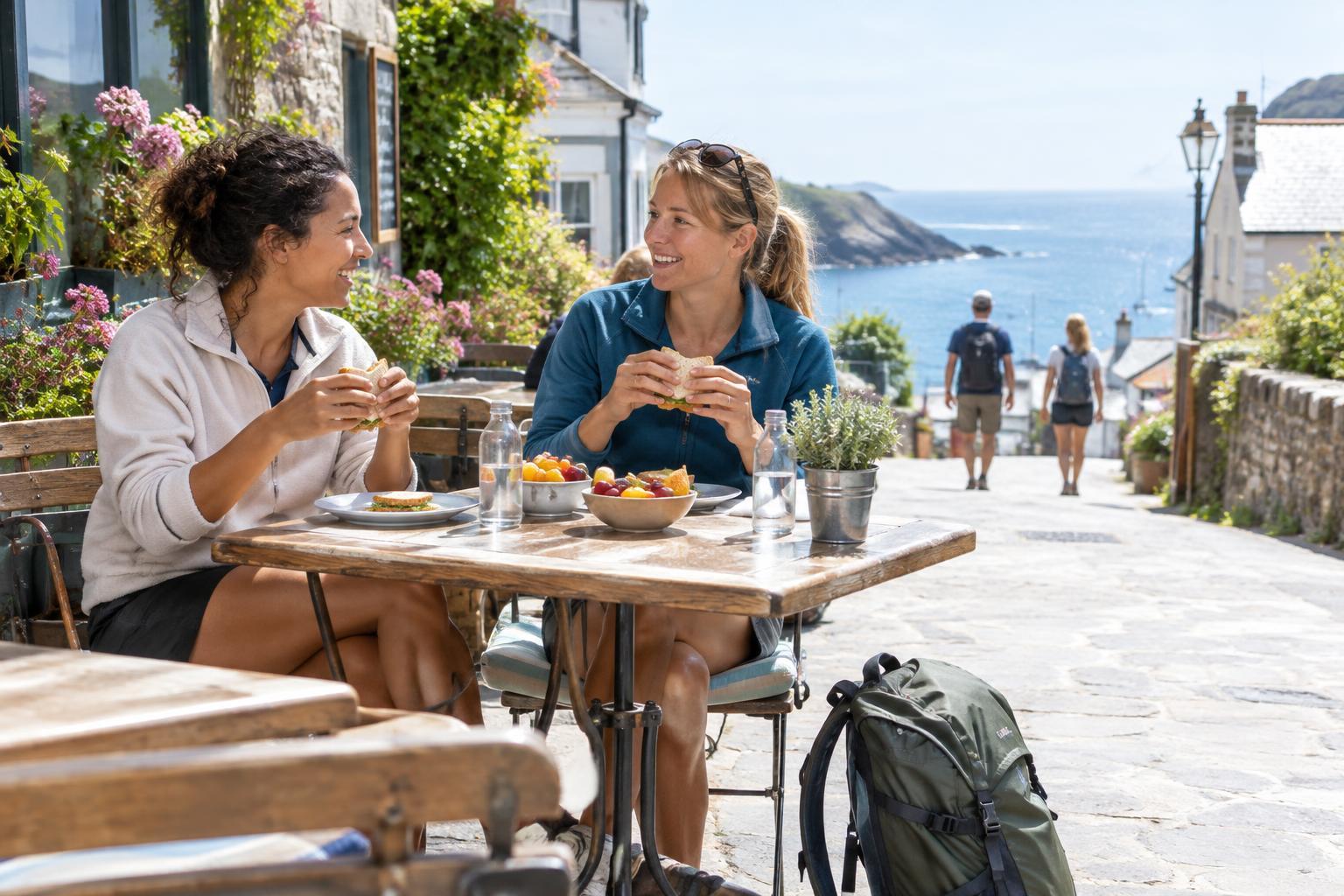
Decide which meal, if any, is worth planning in advance. For some days, knowing where lunch will happen takes away a common decision at the moment everyone is hungry. For others, a picnic or a choice between two nearby cafés offers more freedom. Check practical details before you go, such as whether your intended stop suits your group, how far it is from the main route, and whether you need to bring food with you.
Give yourself a backup rather than building the whole day around one table or picnic spot. A second nearby option can help if a place is busy, the weather changes, or you finish an activity earlier than expected. If anyone has dietary needs, talk through workable choices ahead of time. It is easier to find a comfortable option before hunger makes the decision feel urgent.
Pack for the gaps between meals
Even when you expect to buy lunch, a small snack and a drink can make delays easier to handle. Choose food that travels well for the time you will be out and is easy to eat without much preparation. A refillable water bottle can be useful when you have access to places to top it up. For food that needs to stay chilled, use suitable storage or choose something less perishable instead.
Keep the most useful items easy to reach. If a snack is buried beneath coats and spare shoes, you may be less likely to use it when you need it. A small bag for wrappers helps when there is no bin nearby. Packing enough to bridge a gap is often more convenient than carrying an entire extra meal that you may not want.
Treat breaks as part of the outing
A break does not have to be long to be worthwhile. Sitting for a few minutes, finding a restroom, or stepping away from a crowded space can make the next part of the day more pleasant. Look for likely pause points along your route, such as a bench, a quiet indoor area, or a place to buy a drink. If someone in your group needs frequent seating or step-free access, consider those needs while choosing activities, not only after arriving.
Use breaks to check in rather than to watch the clock. Is everyone ready to continue, or would a longer lunch improve the afternoon? Would it be better to skip one stop and enjoy the next at an easier pace? Giving yourself permission to adjust can keep a day out from feeling like a list of tasks.
Leave room for an unhurried finish
It is tempting to fit one more stop into the final hour, especially if you have travelled to get there. Before committing, allow time for the journey home and any food you will want along the way. If dinner will be late, a snack before departure might make the trip back more comfortable. If you would rather eat at home, a simple plan for that meal can spare you another decision when you return.
The aim is not to schedule every bite or every moment of rest. It is to notice the points where hunger, tiredness or travel could make the day harder, then give yourself a few easy options. With a meal in mind, something small in your bag and space to pause, you can spend more of the outing enjoying where you are.