Start small enough to feel excited
A short break on your own can be a gentle way to try solo travel without committing to a long itinerary. You get to decide when to leave, where to eat and whether a quiet afternoon counts as a successful day. If that freedom feels unfamiliar, keep the first trip simple: one night away or a full day somewhere you can reach easily is enough.
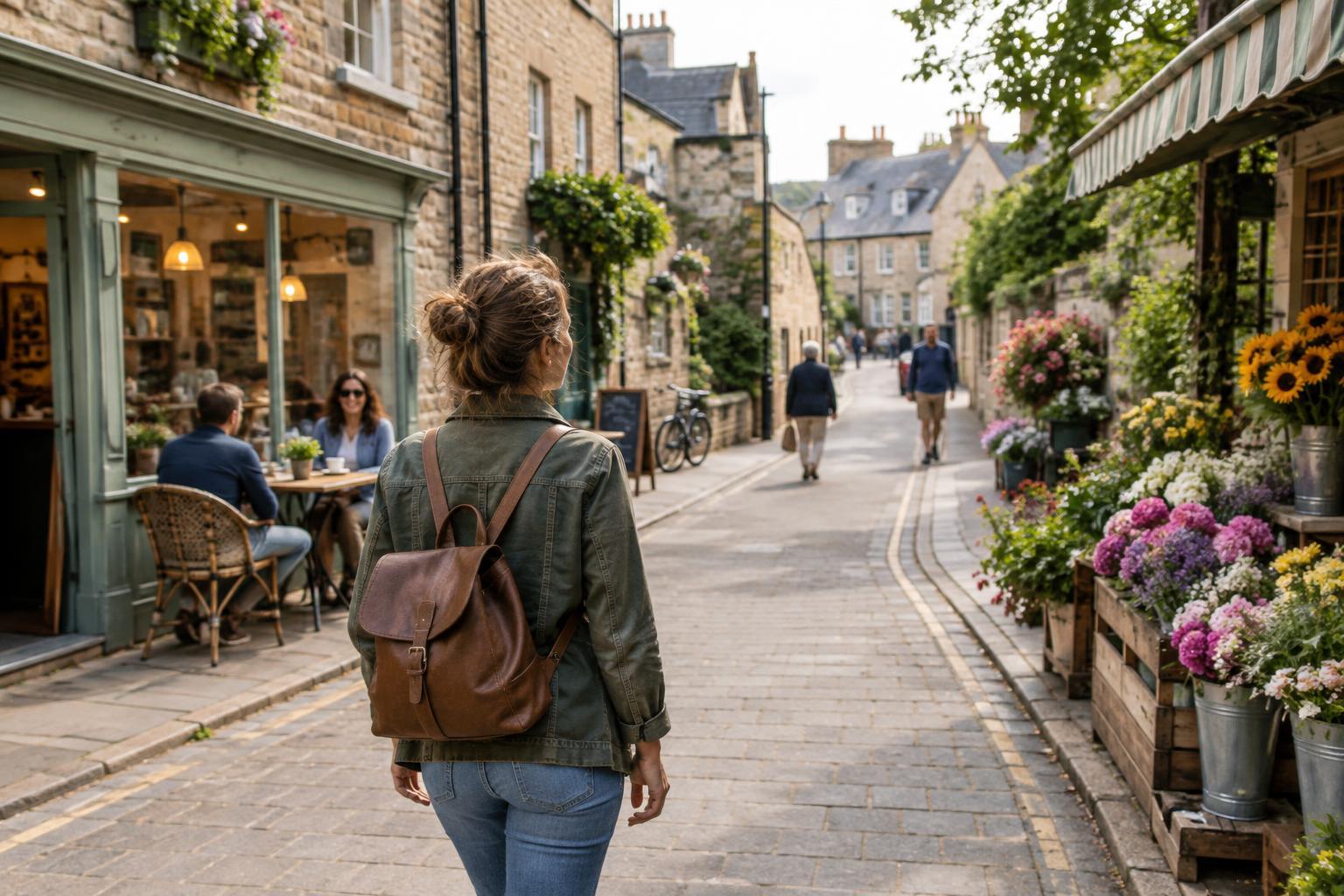
Choose a place that gives you one clear reason to go. That might be a walk by the water, a gallery you have wanted to visit or a café-lined neighborhood you would enjoy exploring. Familiarity can help, too. You do not need a remote destination to make the break feel different from an ordinary day at home.
Make the practical decisions early
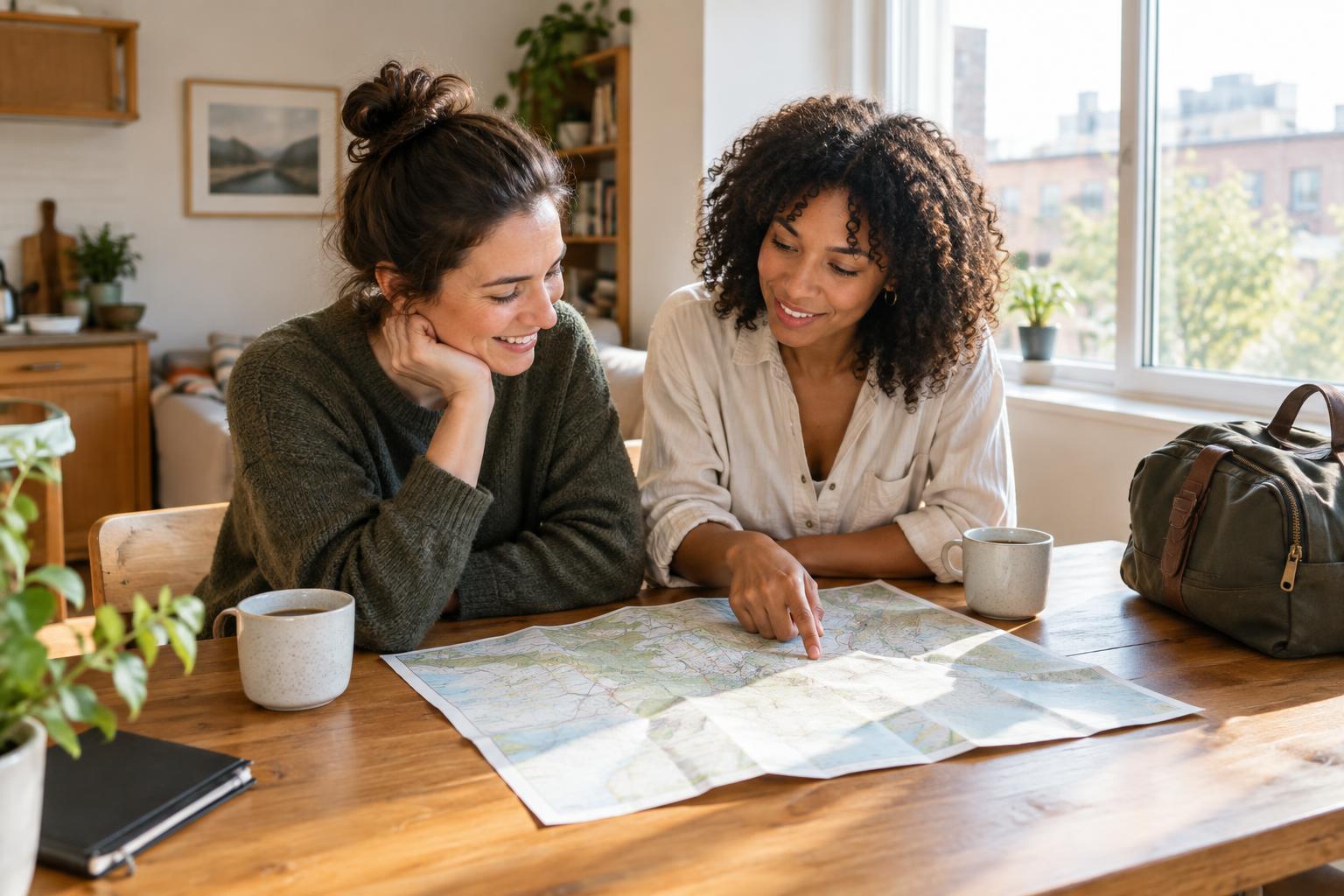
Before booking, think about how much travel you want at either end of the break. A destination that looks appealing may feel less relaxing if getting there involves several changes or a late arrival. Check transport times, the location of your accommodation and how you would get back if plans changed. Set a spending limit that includes meals, local transport and a little flexibility, rather than looking only at the room or ticket price.
For an overnight stay, look for accommodation that suits the way you actually like to spend time. If you expect to return early with a book, a comfortable room may matter more than a busy central location. If you want to walk everywhere, being close to your main activities may be worth prioritizing. Keep booking details and directions somewhere you can access without relying on a single app or internet connection.
Plan an outline, not a timetable
Give each day an anchor: one activity you would be pleased to do even if nothing else happened. Add a couple of optional ideas nearby, such as a second-hand shop, a park or a place to stop for lunch. This gives you direction without making the break feel like a list of tasks. Check opening hours and any booking requirements before you leave, especially for the activity that matters most to you.
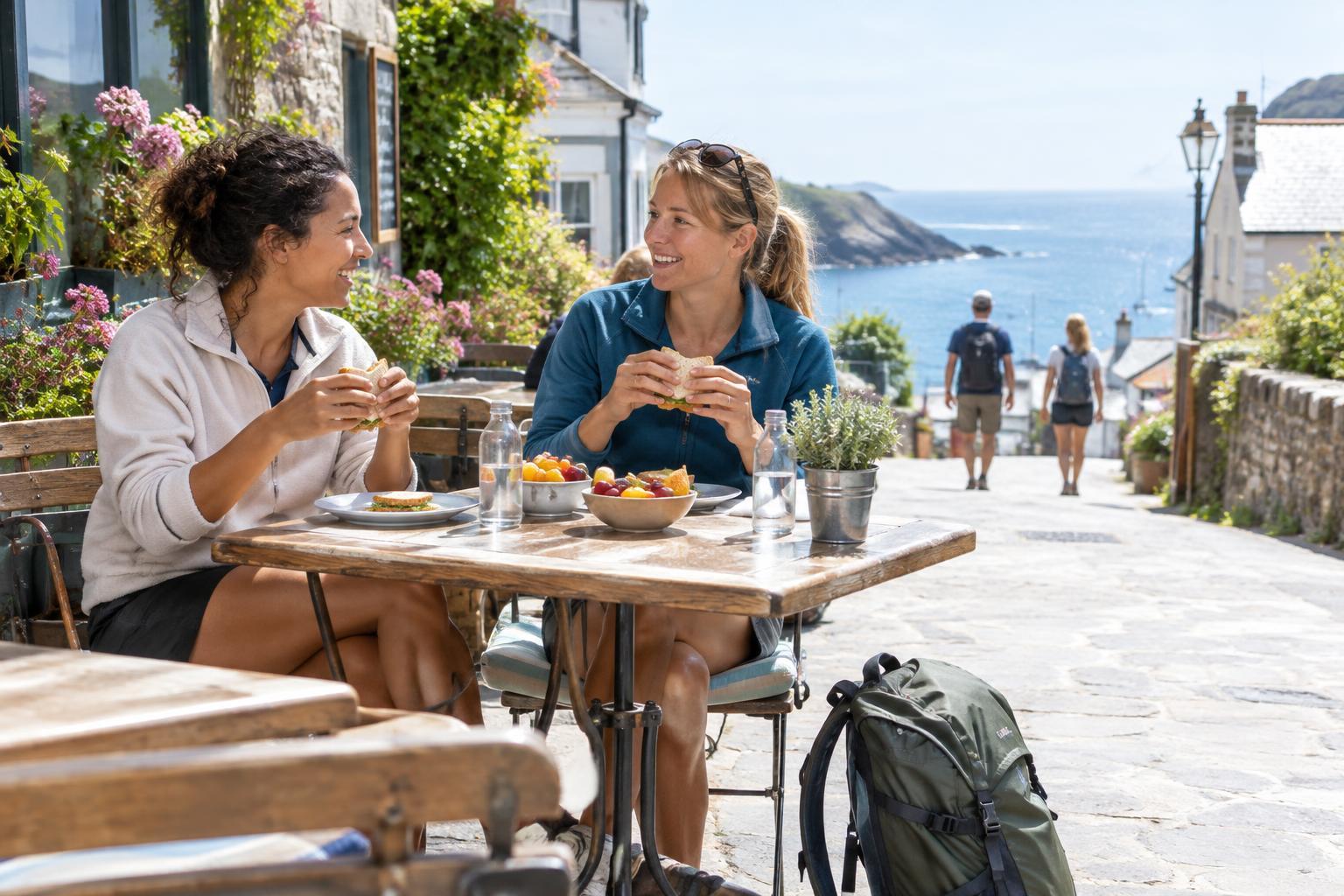
Pack for comfort rather than every possible scenario. Shoes you can walk in, a layer for changing weather, a charger and any essentials you use daily will usually do more for your enjoyment than an overstuffed bag. If eating alone feels daunting, decide on an easy first meal in advance. A casual lunch spot or takeaway eaten somewhere pleasant can help you settle in before trying anything more elaborate.
Give yourself room to find a rhythm
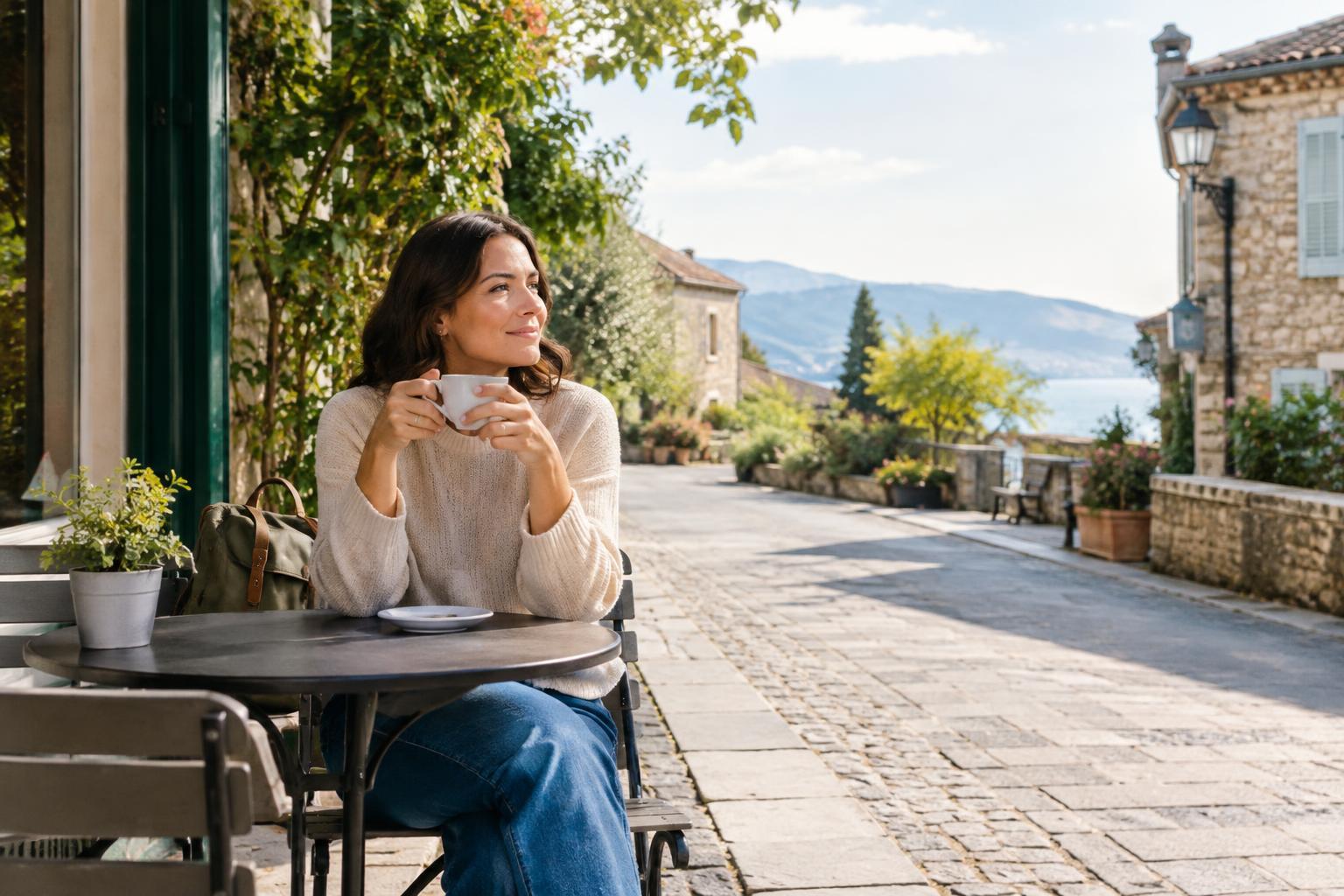
The first hour may feel slightly awkward. You might wonder what to do with your hands or notice that everyone else appears to have company. That feeling does not mean the trip was a mistake. Start with something straightforward, such as a walk through the area or a coffee while you look over your plan. Once you have made a few small decisions for yourself, the day may begin to feel more natural.
You are allowed to change your mind. Stay longer somewhere you like, leave a crowded place sooner than expected or take a rest before dinner. Bring a book, a notebook or a downloaded podcast if you enjoy having a companion activity, but do not feel obliged to fill every quiet moment. Part of the pleasure of going alone is discovering what pace feels good when nobody else needs to agree.
Keep comfort and safety in view
A little preparation can make it easier to relax. Let someone you trust know your general plans, keep your phone charged and know how you will return to your accommodation or travel home. Pay attention to your surroundings, especially after dark, and choose options that feel comfortable to you. It is fine to skip a plan if the route, timing or situation does not feel right.
When you get home, notice what worked rather than judging whether you did solo travel the “right” way. Perhaps you loved an unhurried breakfast but packed too many activities, or found that a day trip was plenty for now. Those observations make the next break easier to shape. A successful first solo trip does not have to be transformative; it can simply leave you glad you gave yourself some time away.