Start with the kind of day you want
An unfamiliar town can feel full of possibilities until you try to choose one. Before searching for attractions, decide what would make the visit worthwhile to you. Perhaps you want a quiet walk, an interesting lunch, a glimpse of local history or a place to browse. Pick one or two priorities rather than trying to cover every category. A small aim makes it easier to recognize a good option when you find it.
Next, set a few limits: how much time you have, how far you want to walk and what you are comfortable spending. If the trip is a short break, choose one main activity and keep the rest optional. You can always add a stop if you have energy, but a crowded plan can turn a pleasant afternoon into a race.
Look for useful local clues
Begin with practical sources that reflect what is actually available. A visitor information point, library, community noticeboard or venue window may suggest walks, exhibitions, markets and small events you would not think to search for by name. If you are already at a café or shop, a specific question often works better than asking what there is to do. Try asking where someone would go for a relaxed half-hour walk or which nearby place is good for browsing.
Online maps can help you see how places fit together, but treat listings as leads rather than promises. Check a venue’s own information for opening hours, booking needs, accessibility details and admission costs before making it the centerpiece of your day. This matters especially for small businesses and seasonal attractions, where a listing may not tell the whole story.
Build a route, not a checklist
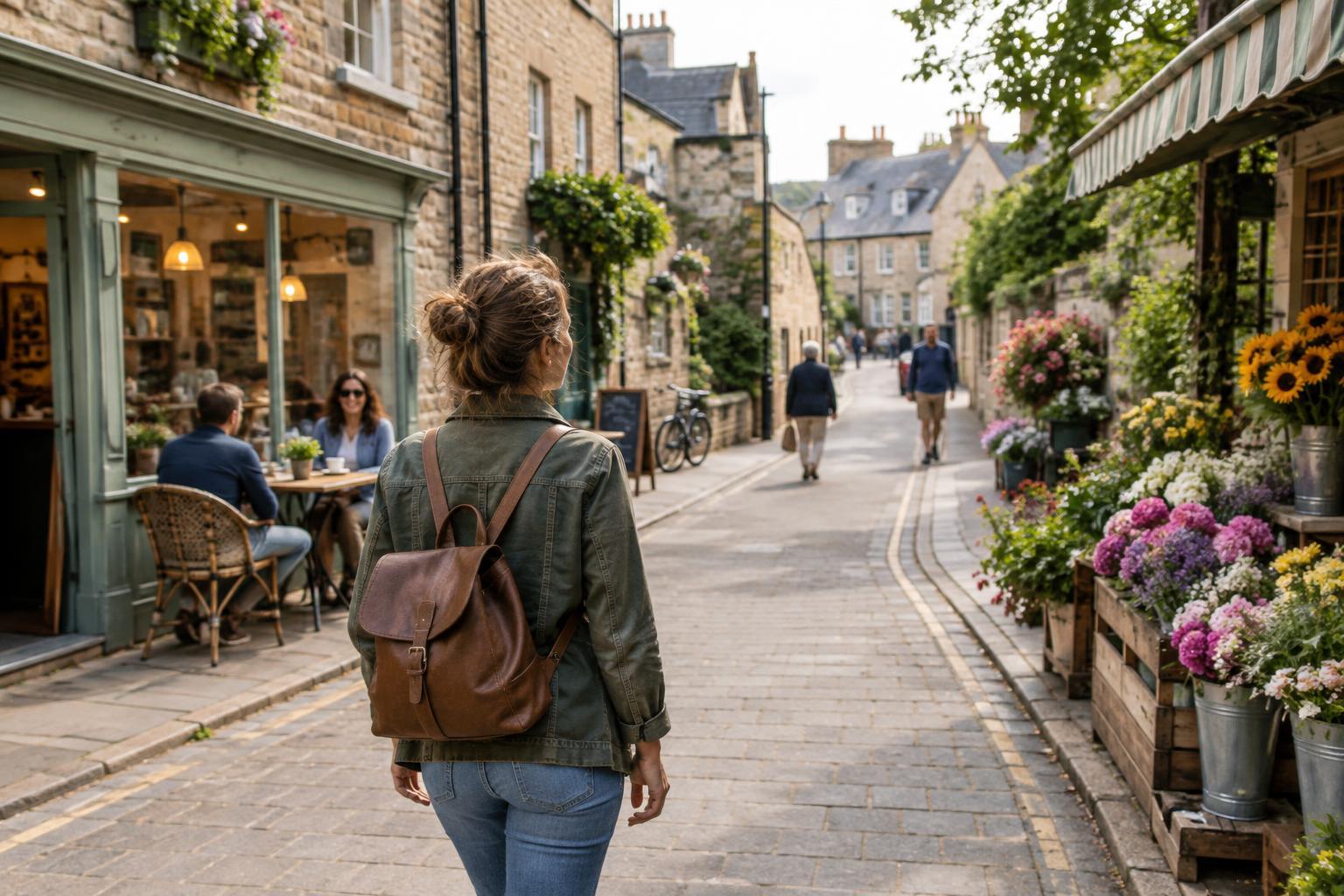
Once you have a few possibilities, look for a compact area that offers several kinds of stop. A public square, riverside path or older shopping street might put a gallery, independent shops and a place to sit within easy reach of one another. Choosing a neighborhood rather than a scattered set of sights gives you more time to notice what the town feels like between destinations.
Give your route an anchor: a museum, garden, walking trail or meal you would be glad to make the trip for. Then identify one or two nearby alternatives. If the weather changes or the first stop is busier than expected, you still have a plan without having to start your search again. Leave enough space between stops for a detour that catches your eye.
Make ordinary places part of the visit
Worthwhile does not have to mean famous. A bakery, bookshop, public garden or short stretch of residential architecture can tell you something about a place and give your day a welcome pause. Pay attention to what is distinctive: a local craft display, an unusual building material, a trail linking two parts of town or a menu item you have not seen elsewhere. These details can be more memorable than another stop chosen only because it appears on a must-see list.
To explore without aimlessly circling, give yourself a gentle prompt. Follow a pedestrian route to its end, compare two nearby streets or spend twenty minutes looking for a comfortable place to sit. Keep public access and your own comfort in mind; if a route feels inconvenient or unclear, turn back. Wandering works best when it remains a choice.
Know when you have done enough
A good visit does not depend on filling every hour. Before setting out, note how you will get back, when you need to leave and where you can pause if you get tired. Carry whatever helps you stay comfortable, such as water, a layer for changing weather or a saved map. These small preparations make it easier to be spontaneous without losing track of the practical details.
At the end of the day, judge it by whether you enjoyed your time, not by how many pins you cleared from a map. One satisfying activity, a pleasant walk and a good break can be plenty. If you leave with a place you would like to return to, that is another worthwhile discovery.