Start by identifying what the chart measures
A size label is a starting point, not a reliable measurement. One brand’s medium may fit differently from another’s, and two styles from the same brand may have different cuts. Before choosing a size, look for the chart attached to the particular item rather than relying on the size you usually buy.
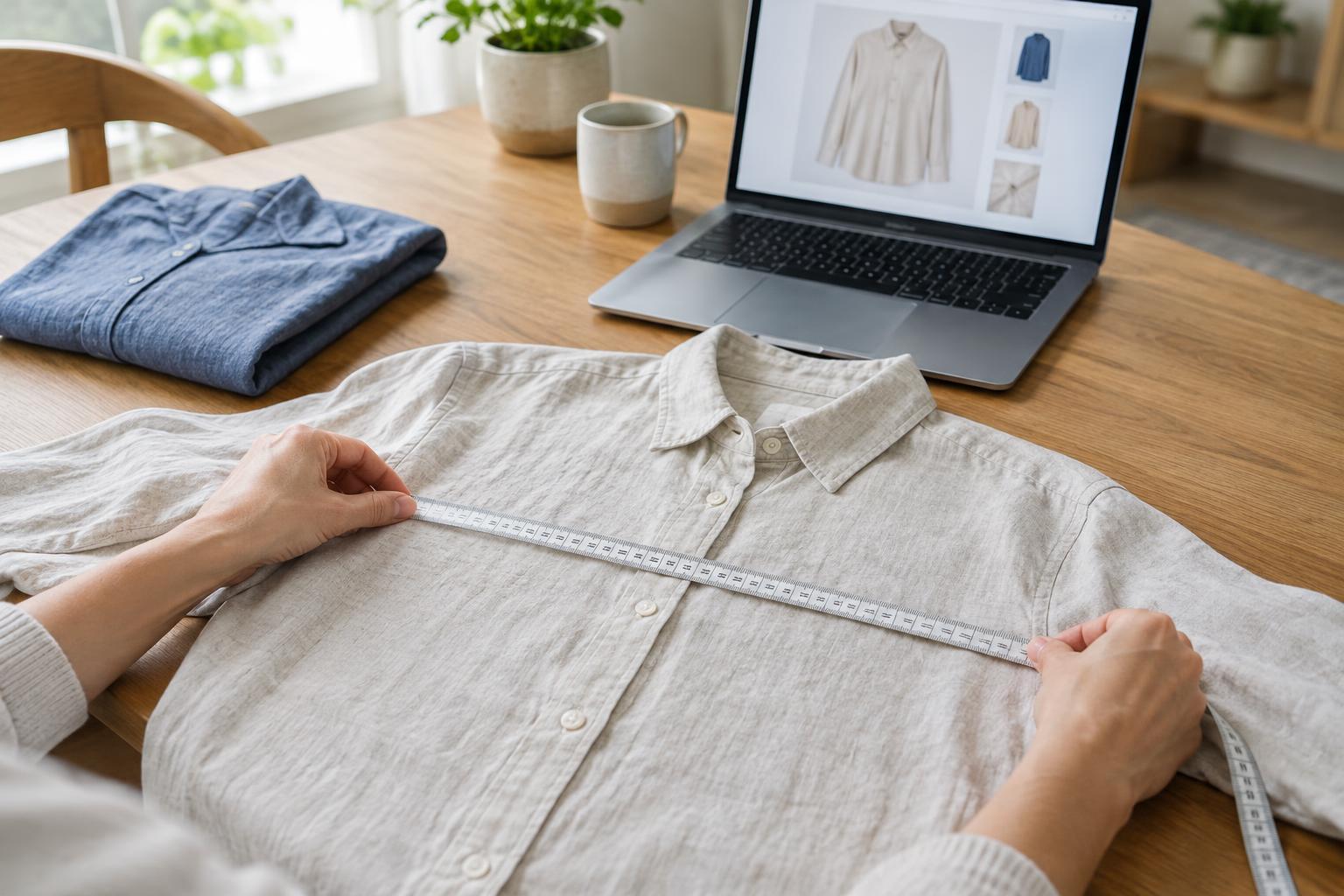
Check whether the numbers describe body measurements or garment measurements. A body size chart tells you which size the seller recommends for your bust or chest, waist and hips. Garment measurements describe the clothing itself, often measured while it lies flat. These numbers are not interchangeable: a shirt generally needs to be wider than your body to let you move comfortably. If a chart does not say which kind it uses, look for a measuring guide or ask the seller before treating the numbers as exact.
Take a few body measurements you can reuse
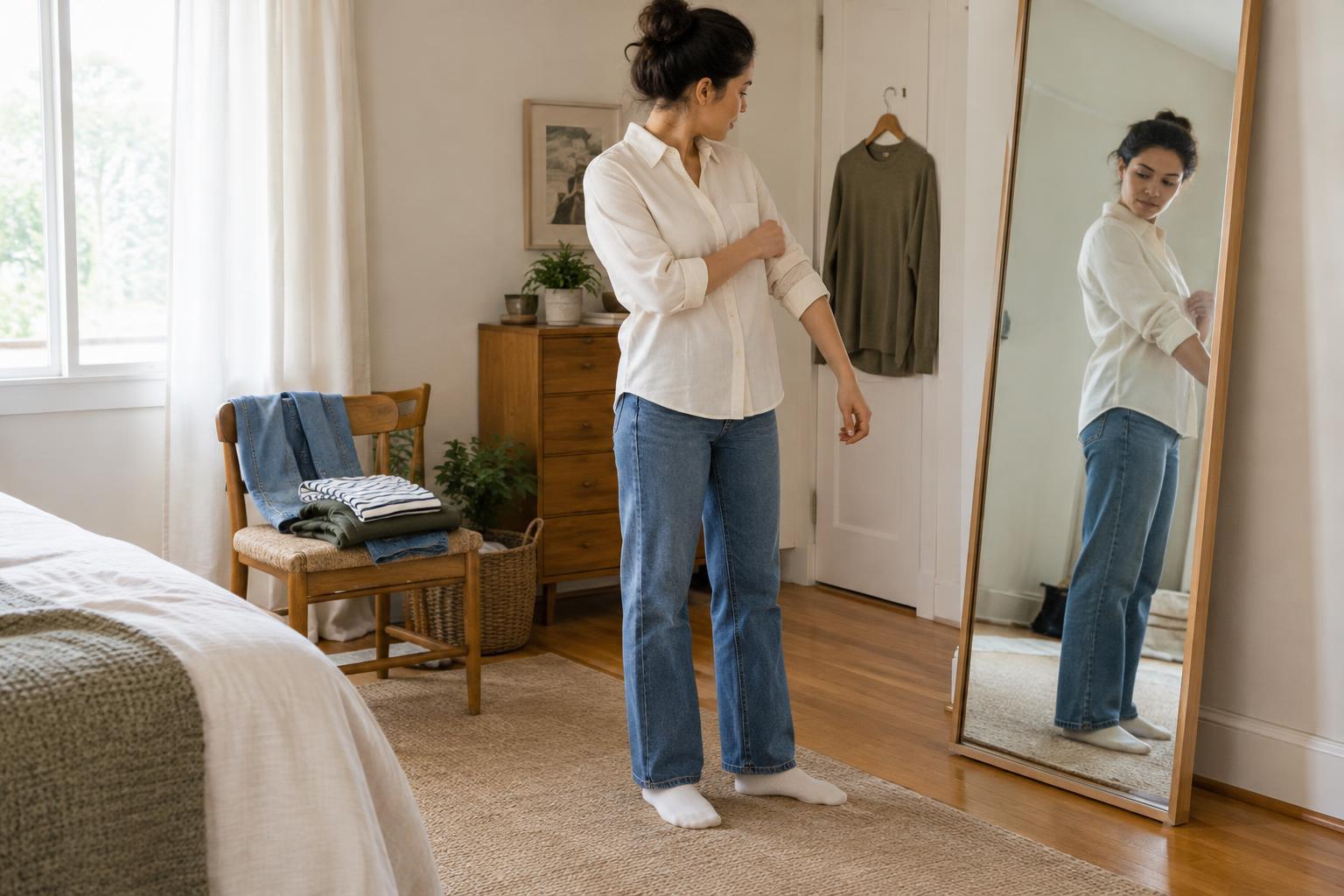
Use a flexible tape measure and stand naturally, without pulling the tape tight. Measure around the fullest part of your bust or chest, your natural waist and the fullest part of your hips. Keep the tape roughly level, and note the results in the unit the shop uses. If you switch between inches and centimetres, convert carefully rather than guessing.
Add measurements that matter for the item you are buying. For trousers, your preferred inseam and the circumference around the part of your hips or thighs where pants tend to feel tight may be useful. For a jacket, consider your shoulders and sleeves. You do not need a long list for every purchase; a small set of accurate numbers is more helpful than a detailed set taken in a hurry.
Recheck your measurements occasionally, and use the ones that reflect how you want the clothing to fit now. If your waist points to one size and your hips to another, think about where the garment is least forgiving. A loose shirt may give you flexibility, while fitted trousers may need to accommodate your hips even if the waist requires a belt or a small adjustment.
Compare garment measurements with clothes you own
When a product page lists garment measurements, an item you already wear is often the best reference. Choose something similar in fabric and intended fit, lay it flat without stretching it, and measure it the way the seller describes. For example, a flat chest width is typically measured straight across from underarm to underarm. If you need the approximate circumference, double that number, but check the seller’s instructions first.
Compare more than one point. A comfortable pair of trousers may have the right waist but a different rise or leg shape from the pair in your cart. For a top, chest width, shoulder width, length and sleeve length can all affect how it feels. A few centimetres in length may matter more to you than the same difference in a roomy body width.
Pay attention to ease: the space between your body and the garment. A close-fitting knit and a relaxed woven shirt may have very different garment measurements even when both fit you well. Your favourite oversized shirt is a useful comparison for another oversized shirt, but not necessarily for a tailored blouse.
Read the fabric and fit notes together
Measurements tell you the size; fabric and cut help you imagine how it will wear. A stretchy jersey may feel comfortable closer to the body, while a non-stretch fabric usually needs enough room for sitting, reaching and walking. Terms such as slim, straight, relaxed and oversized describe intended shape, but their meaning can vary. Product photos may offer clues, though posing and styling can change how roomy an item appears.
Look for details that affect fit in places a basic chart may miss: an elastic waistband, adjustable straps, a dropped shoulder, a cropped length or a high rise. Customer comments can sometimes highlight patterns, such as sleeves that feel long, but use them as additional context rather than a substitute for measurements. Other shoppers may prefer a different fit from yours.
Make a choice you can check before buying
If you are between sizes, decide which part of the garment matters most and how you plan to wear it. You might prefer extra room in a layering jacket, but a closer fit in a top you intend to tuck in. If the item has several key measurements, compare them with a similar piece you own and note where the differences fall. That gives you a clearer reason to choose a size than a general rule to always size up or down.
Before checkout, confirm that you are viewing the correct size chart, unit of measurement and item variation. Check the return or exchange terms if fit is uncertain. Saving your own measurements and a few notes about well-fitting clothes can make the next purchase faster—and help you choose clothing that suits your preferences, not just a number on a label.