Start with fabric, not an outfit formula
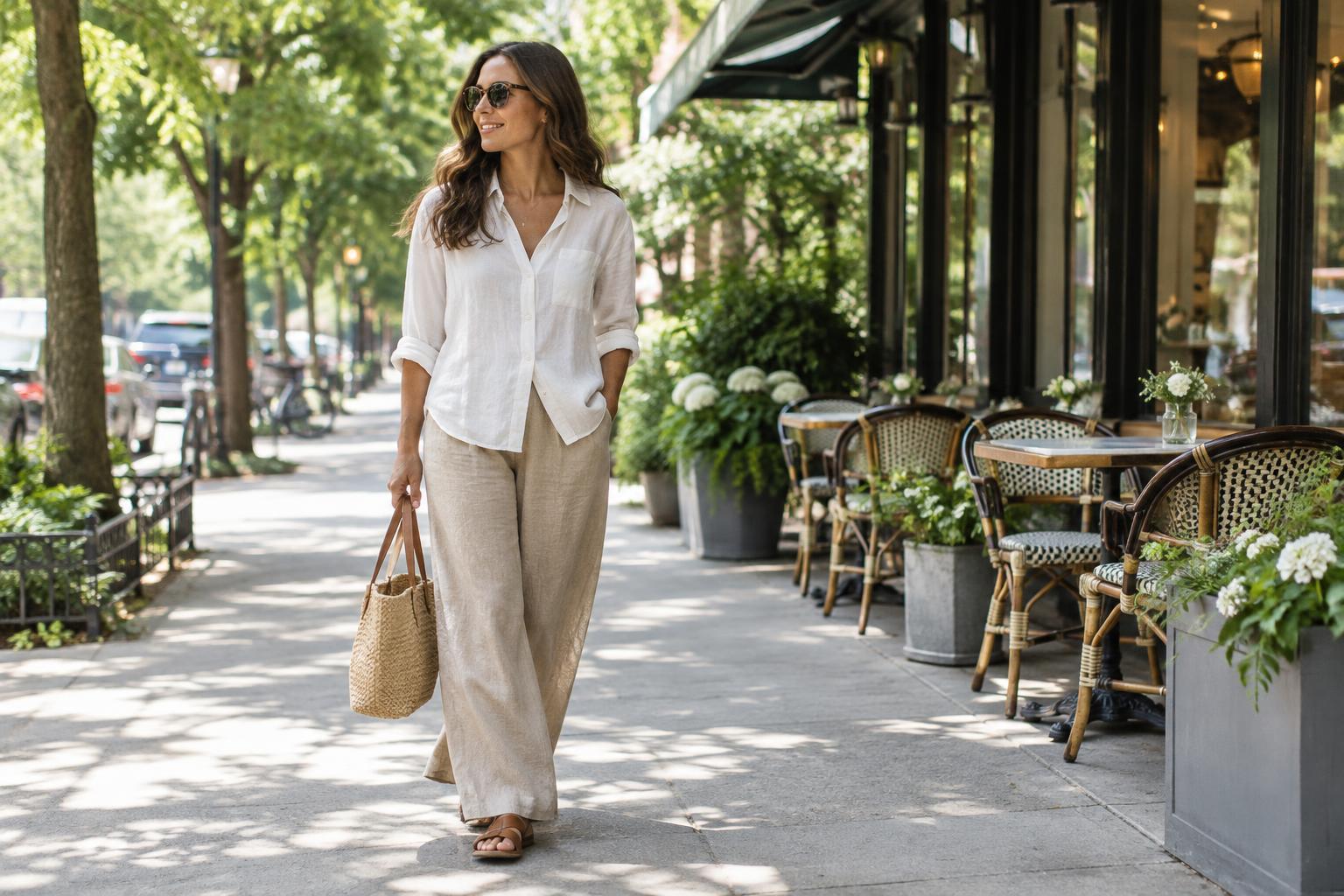
When the forecast is warm, the fabric against your skin often matters more than whether an outfit looks summery. Lightweight linen, cotton and linen-cotton blends are useful starting points for casual clothes. Viscose and other drapey fabrics can also feel pleasant, though their weight and weave vary. Hold a garment up to the light, feel its thickness and check whether it moves easily rather than judging it by the fiber name alone.
A loose, lightweight shirt may feel cooler than a fitted sleeveless top because it leaves room for air to move. Likewise, a heavy cotton T-shirt can feel warmer than a thin button-up. If wrinkles bother you, look for textured fabrics, blends or garments designed to look relaxed. Comfort is easier to maintain when you are not worrying about every crease.
Give your clothes room to move
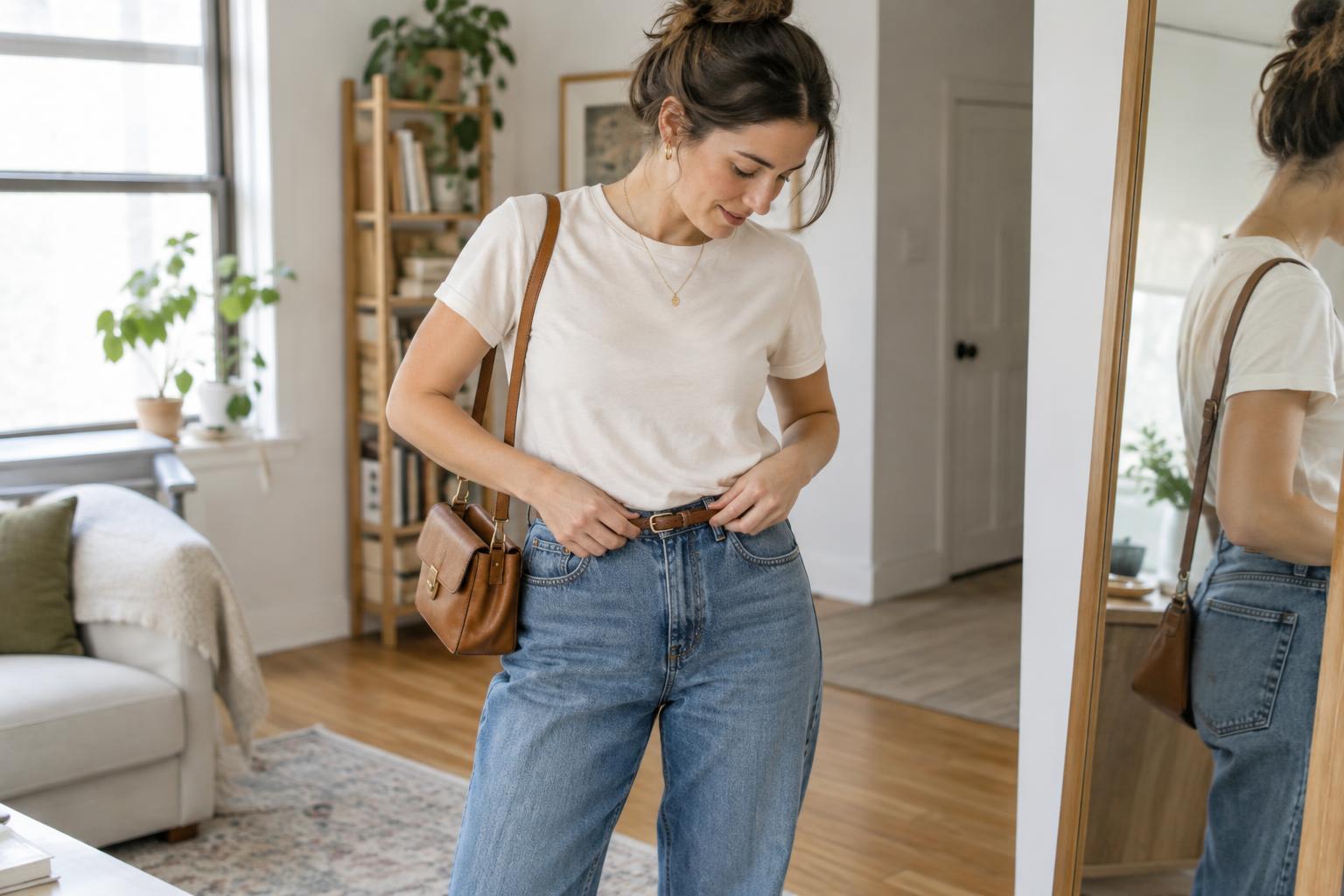
Sportswear often feels convenient because it stretches, but stretch is not the only route to ease. Straight-leg trousers, pull-on shorts, roomy skirts and relaxed dresses can give you space to sit, walk and get through a busy day. Look for waistbands that do not dig in and armholes that do not rub. A garment should feel comfortable when you move, not just when you stand in front of a mirror.
Proportions can keep a relaxed outfit from feeling shapeless. Try a loose shirt with simple, straight shorts, or a fitted-but-not-tight tank under an open overshirt with wide-leg trousers. If you prefer a dress, one with a gentle A-line shape or a defined waist can feel easy without clinging. None of these combinations requires a complicated styling trick; the goal is to leave space where you want it while keeping the overall shape intentional.
Use simple pieces to look put together
A small selection of everyday pieces can cover many warm-weather plans: a lightweight button-up, a plain top, relaxed trousers, comfortable shorts and a dress or skirt if you enjoy wearing one. Choose colors you already like wearing so that pieces work together without much thought. A matching top and bottom can make getting dressed especially quick, but contrast can work just as well.
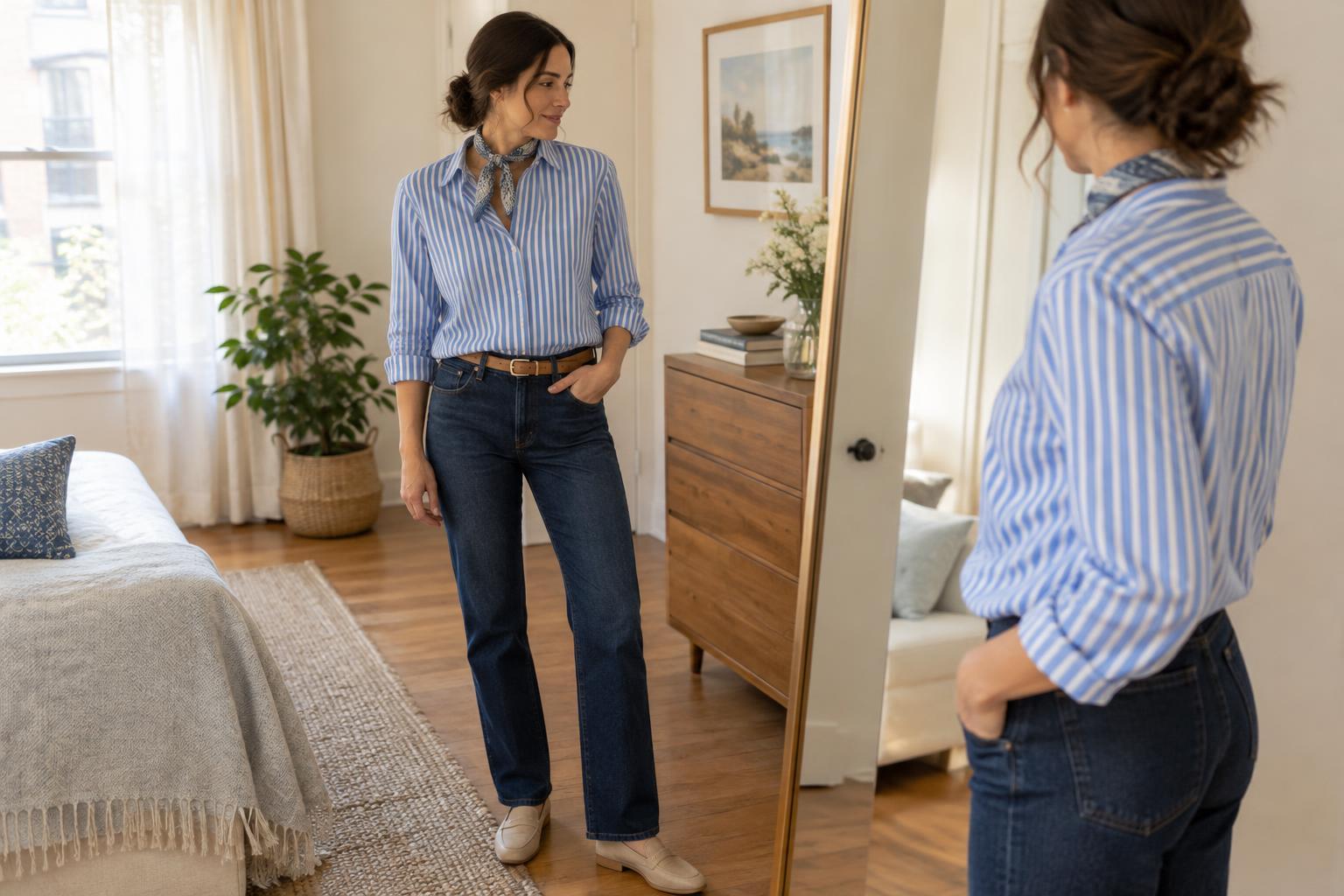
Details do some of the work that people often expect from a more structured outfit. A shirt worn open over a tank, a neat hem, or a belt that sits comfortably can make practical clothes feel considered. For an ordinary day, try linen-blend trousers with a cotton top and flat sandals. For a casual evening, swap the top for a lightweight collared shirt. The outfits stay simple; the fabric and fit make them suitable for the heat.
Pay attention to the layers you cannot see
An airy outfit can still feel uncomfortable if the first layer is too tight or bulky. Choose underwear and other underlayers that fit well beneath your clothes, and check whether seams or straps show through thin fabrics if that matters to you. Lighter colors may need a quick daylight check for transparency. A breathable camisole can help under a sheer shirt, but it also adds warmth, so it is worth deciding whether you need one.
Shoes deserve the same attention. Sandals, loafers and simple canvas shoes can all work without making an outfit look athletic. The best option depends on how far you will walk and what feels good on your feet. Before wearing a new pair for a full day, try it on a shorter outing to notice any rubbing. A lightweight bag that does not press heavily against your back can also make a warm commute more pleasant.
Dress for the whole day, not just the temperature
Warm days often include cooler indoor spaces, direct sun or a journey that feels different from the destination. An unlined overshirt or thin button-up is easy to carry and can provide an extra layer indoors. If you expect to spend time outside, a hat and clothes that cover more skin may be useful, depending on your plans. Think about what you can remove or add without rebuilding the entire outfit.
Before buying anything new, try making three hot-weather outfits from clothes you own. Wear each one around the house for a few minutes: sit down, bend, walk and notice where fabric sticks or pulls. That quick test will tell you more than an outfit photo. From there, any addition can solve a specific problem, such as shorts that fit comfortably at the waist or a shirt that feels light enough for repeated wear.