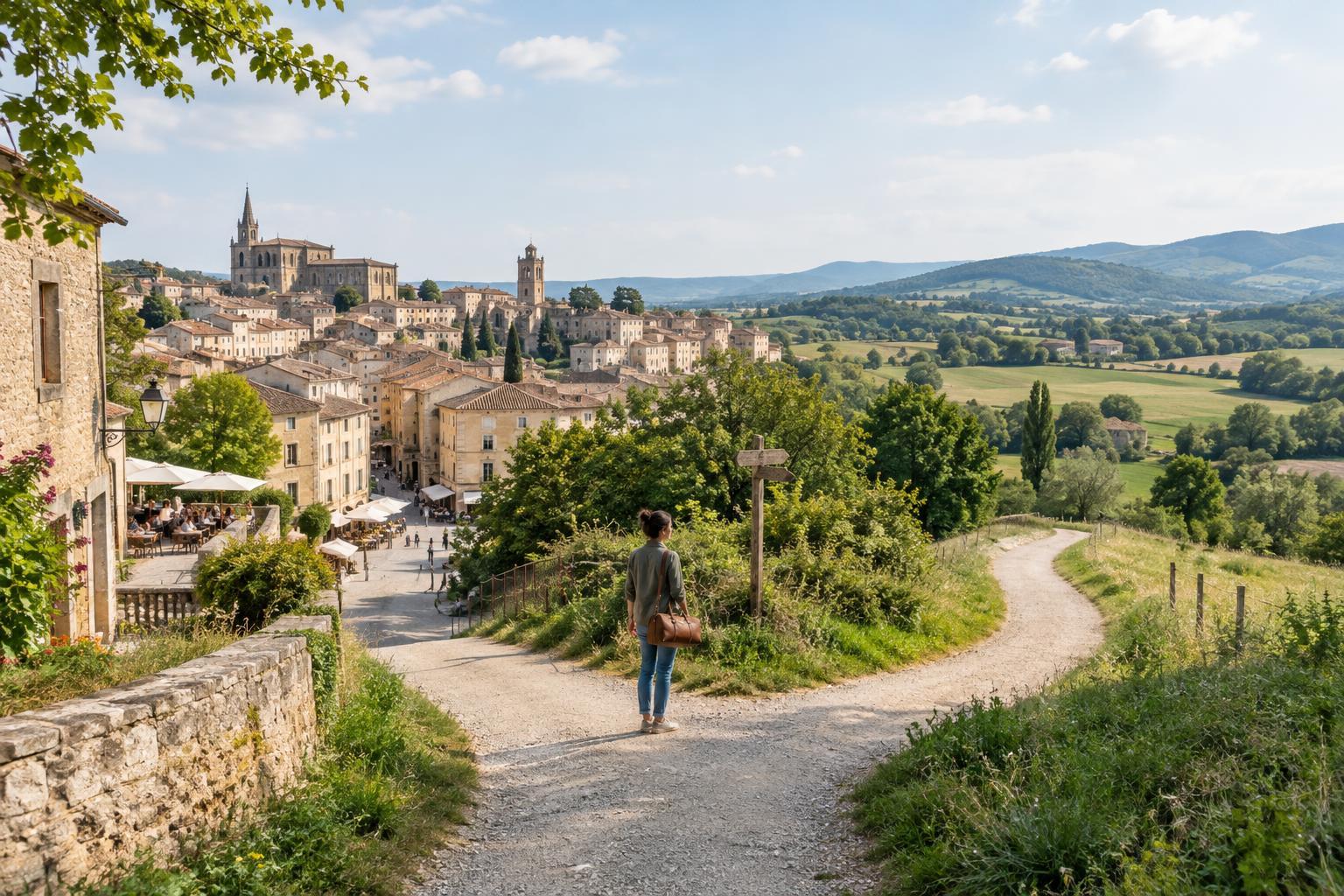
Start with the kind of break you need
A short trip does not have to be packed with activities to feel worthwhile. Before choosing a destination, ask what you want to be different from an ordinary weekend. Are you hoping to see somewhere new, eat well and stay busy? Or would you rather have quiet mornings, long walks and fewer decisions to make?
A city break often suits a mood for variety. You can build a day around a museum, a neighborhood to explore or a meal you have been looking forward to. A countryside escape may be a better fit when you want more open space and less pressure to keep moving. Neither is automatically more restful: a crowded itinerary can tire you out in either setting, while a simple plan can make either one feel easy.
Count the travel time, not just the distance
For a trip of one or two nights, the journey can shape the whole experience. Look at the time from your front door to your accommodation, including transfers, waits and the final stretch after you arrive. A place that looks close on a map may still require several connections. Another that seems farther away may be simpler to reach.
Think about getting around once you are there, too. In a city, you may be able to walk or use public transport for most of the visit. In the countryside, a car, a reliable local service or accommodation near your chosen activities may matter more. If you would rather not spend the break checking schedules, choose a base where the things you most want to do are within easy reach.
Compare the full cost and effort
Accommodation is only one part of a short-break budget. Add likely transport, meals, admission fees and any equipment or parking you might need. A city visit can be inexpensive if you enjoy walking, browsing and casual meals, but tickets and frequent stops can add up. A countryside stay may involve fewer paid activities, yet transport and supplies can cost more than expected.
It also helps to notice the effort each option asks of you. Do you enjoy choosing restaurants and navigating unfamiliar streets? Does planning walks and packing for changing conditions sound pleasant or like another task? The right choice is not necessarily the one with the lowest price or the longest activity list. It is the one that fits what you can comfortably spend in money, time and attention.
Make room for weather and the people coming with you
You cannot plan perfect weather, but you can decide how much flexibility you want. Cities usually offer a wider range of indoor options if rain changes your plans. A countryside trip can still be enjoyable in unsettled weather if you are happy with a shorter walk, a sheltered café or time spent indoors. If being outside is the main reason you are going, consider whether you would still enjoy the trip if conditions changed.
If you are traveling with someone else, compare priorities before booking. One person’s ideal escape might be an early start and a full day of sightseeing; another’s might be a late breakfast and no fixed schedule. Agree on one or two shared priorities and leave some free time around them. Practical needs matter as well: consider walking distances, step-free access where needed, food options and how easy it will be to take a break during the day.
Choose a simple anchor, then leave space
If you are still torn, imagine one satisfying day in each setting. For a city break, it might be a leisurely breakfast, a walk through two nearby areas, one booked activity and dinner without rushing. For a countryside escape, it might be a gentle route, lunch somewhere convenient and an unplanned afternoon. Which day would you be happier to wake up to right now?
Once you choose, give the trip an anchor rather than a minute-by-minute schedule. Book the essentials, check how you will get around and identify a backup option in case plans change. Leave enough open time to follow your curiosity or simply rest. A short break works best when you return feeling that you spent your time well, not that you managed to fit everything in.