Decide what kind of break you want
A normal weekend often becomes a place to put everything that did not fit into the week. Laundry, messages and errands can fill the time before you have decided how you want to spend it. A staycation feels different when you give it a purpose, even a loose one. You might want to rest, explore your area, spend unhurried time with someone or finally make space for a hobby.
Pick one or two priorities rather than trying to do it all. Then choose a beginning and an end: perhaps your break starts on Friday evening and finishes on Sunday afternoon. That small decision helps you protect the time without feeling that every hour needs a plan. If you share a home, tell the other people there what you have in mind so you can agree on chores, quiet time and any activities together.
Put ordinary weekend tasks in their place
You do not need to finish every task before you can relax. Instead, decide which ones genuinely need attention and give them a short, specific window. A grocery run on Friday or a half-hour tidy on Saturday morning may be enough. Move the rest to a list for later, so you do not have to keep making the same decision throughout your break.
It also helps to set a boundary around work and routine notifications where you can. Put your laptop away, silence nonessential alerts or choose one brief time to check anything you cannot ignore. These boundaries do not have to be perfect. Their job is to stop familiar demands from quietly taking over the days you meant to keep for yourself.
Change the feel of your space
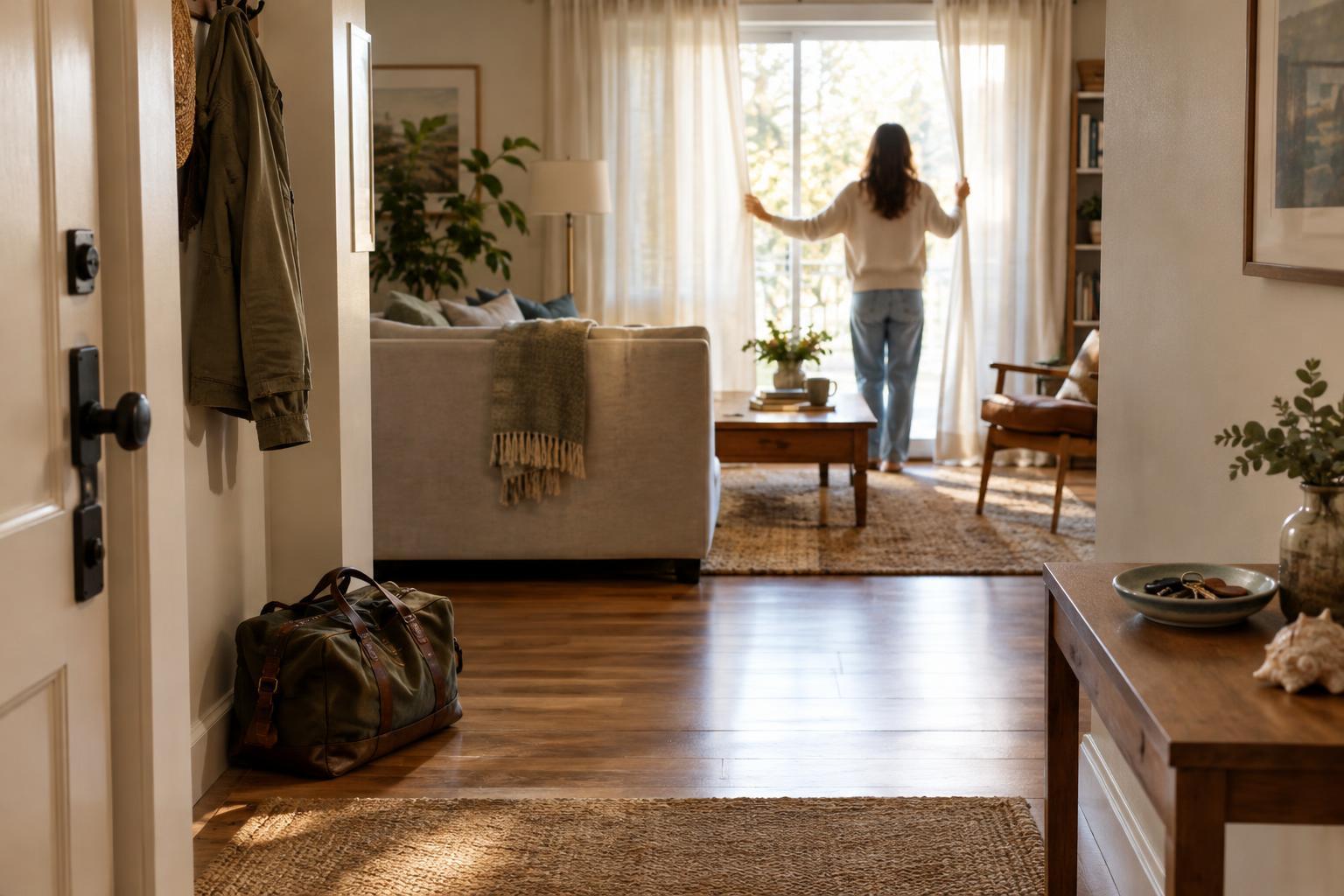
You do not have to redecorate to make home feel less like the backdrop to a busy week. Start with one area you will actually use. Clear the table for a slow breakfast, bring a comfortable chair near a window or set out the supplies for an activity you enjoy. A fresh towel, a made bed or a lamp you rarely turn on can give a familiar room a slightly different feel.
Think about the small cues you associate with time away. You could eat somewhere other than your usual spot, make a simple meal you would normally save for an occasion or spend an afternoon reading outside if you have a suitable space. Choose changes that feel pleasant to you, not ones that create a lot of preparation or cleanup.
Plan one small adventure, not a packed itinerary
A staycation benefits from something you can look forward to. That might be a walk through an unfamiliar neighborhood, a visit to a local gallery, lunch in a nearby park or a bus ride to a place you usually pass by. If going out is difficult or unappealing, you could try a new recipe, watch a film in the middle of the day or set aside time for a creative project at home.
One planned outing or activity is often enough to give the break a shape. Leave room around it for a late start, a change of mind or a longer conversation. Before you commit, consider the cost, travel time and energy it will take. The best choice is not necessarily the most unusual one; it is the one you can enjoy without turning your break into another demanding schedule.
Give the break an ending
The return to ordinary life can feel abrupt if your staycation ends with a rush of chores. Leave a little time near the end to reset what matters for the next day: wash a few dishes, check your calendar or lay out what you need for the morning. Keep this short and practical. It should support your return, not swallow the last hours of your break.
Before you move on, notice what made the time feel different. Maybe it was an outing, but it might have been eating slowly or leaving your phone in another room. You can carry one small part of that into an ordinary weekend. A staycation does not need to imitate a trip to count as time away; it just needs enough room for you to experience your days differently.