Choose one idea and give it a shape
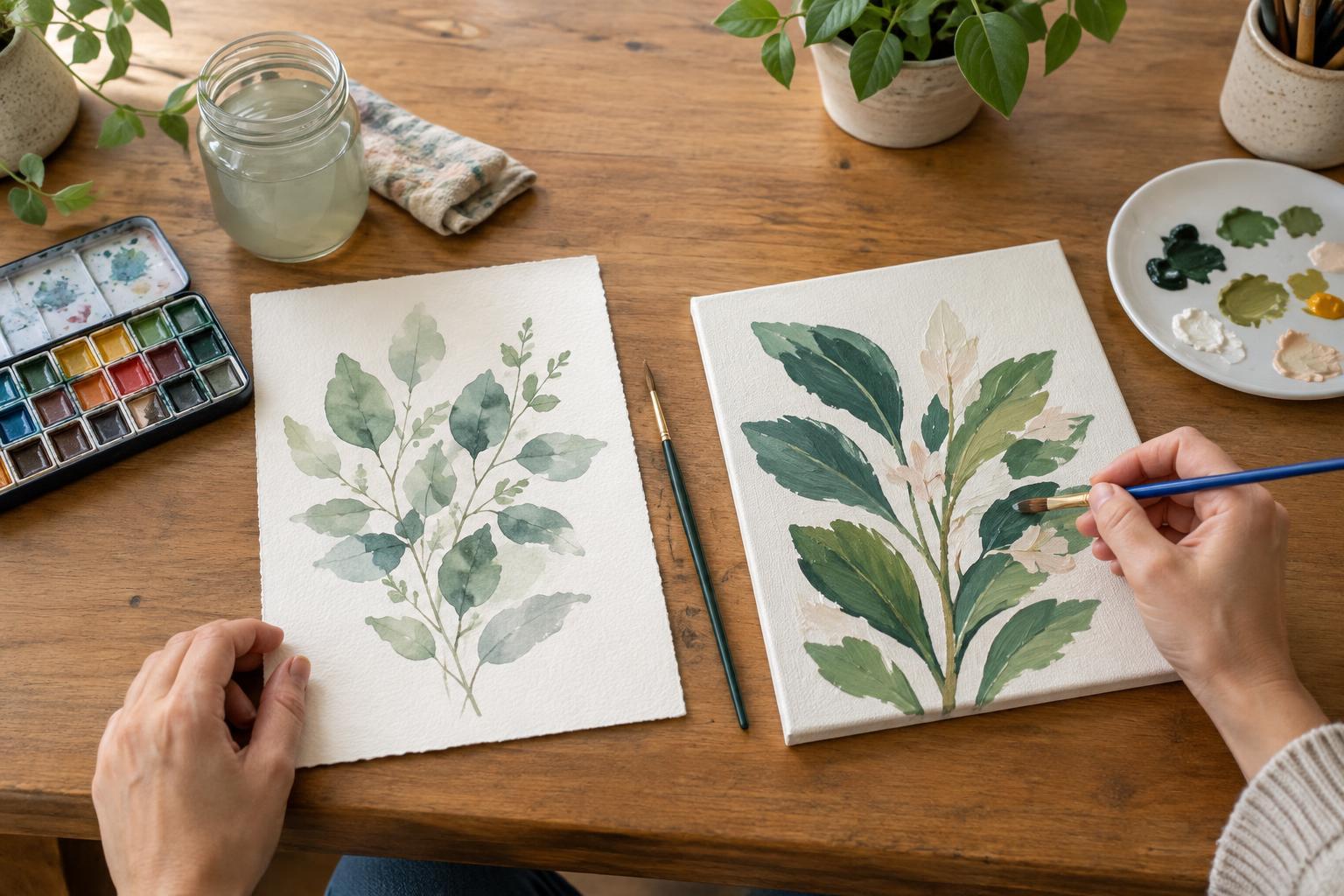
A small creative project might be a photo collage, a short story, a painted plant pot or a handmade card. The most useful starting question is not “What could I make?” but “What could I finish?” Pick an idea that interests you and name the thing you want to have in your hands at the end. “Try collage” is open-ended; “make one collage to put in a frame” gives you a clearer direction.
Write a one-sentence project brief: what you will make, who it is for and where it will live. For example, “I’ll make a postcard-sized collage for my desk using papers I already have.” You do not need to decide every detail now. The brief is a boundary that helps you make decisions when several appealing possibilities compete for your attention.
Make the scope fit your actual time
Before you buy supplies or start sketching, decide how much time and energy you want to give the project. A single evening calls for a different plan from three relaxed weekends. Limit one or two variables: size, number of pieces, materials or techniques. If you want to learn something new, keep the finished piece simple. If you want a more elaborate result, work with skills and materials you already know.
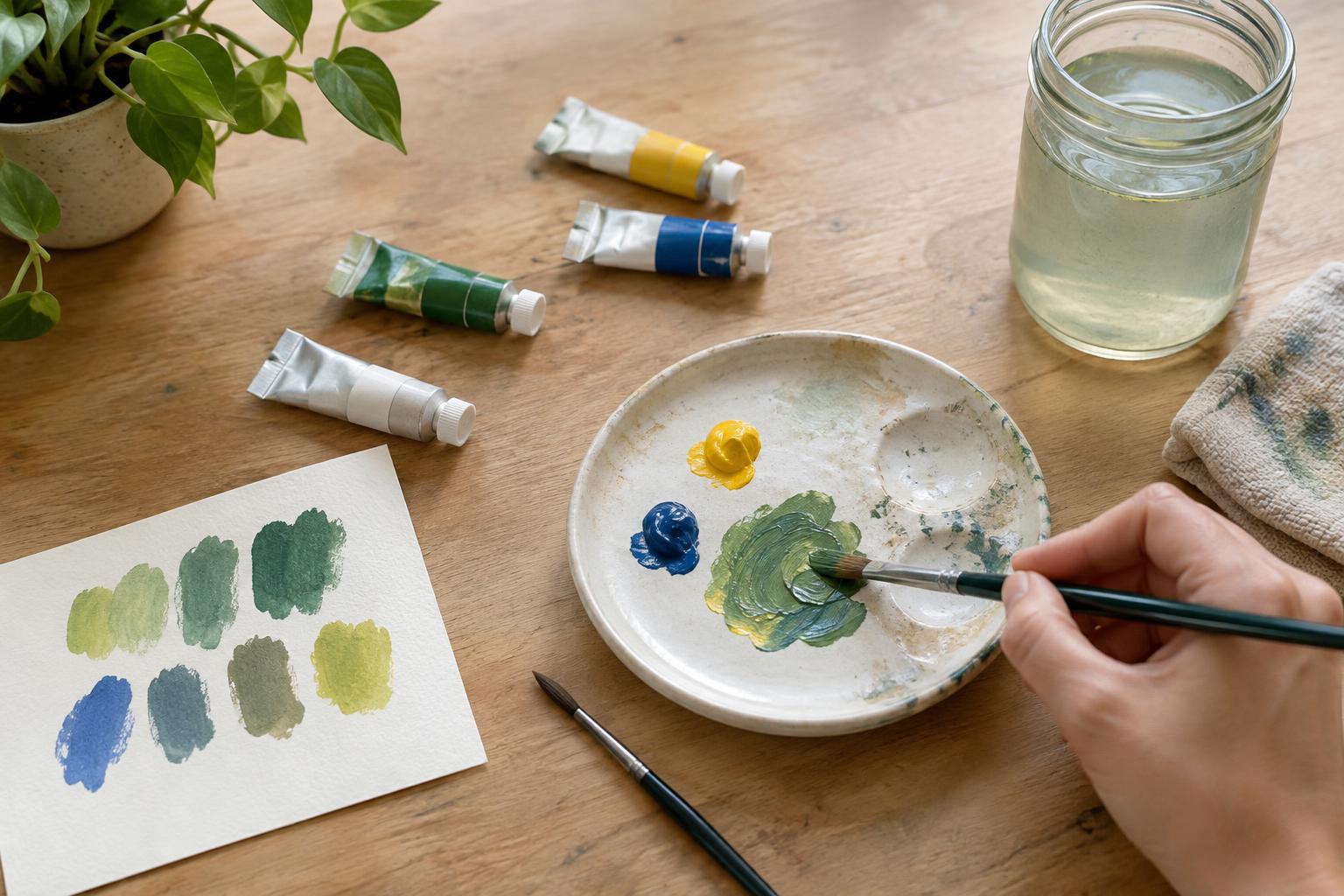
List what you need, then check what you have. A short materials list can prevent the project from turning into an unrelated shopping task. Substitute where it will not change the result you want: scrap paper may work for a color test, while the final piece may need sturdier paper. Note anything you truly need to get before you begin, and choose a first step you can do without it.
Plan a few checkpoints, not every move
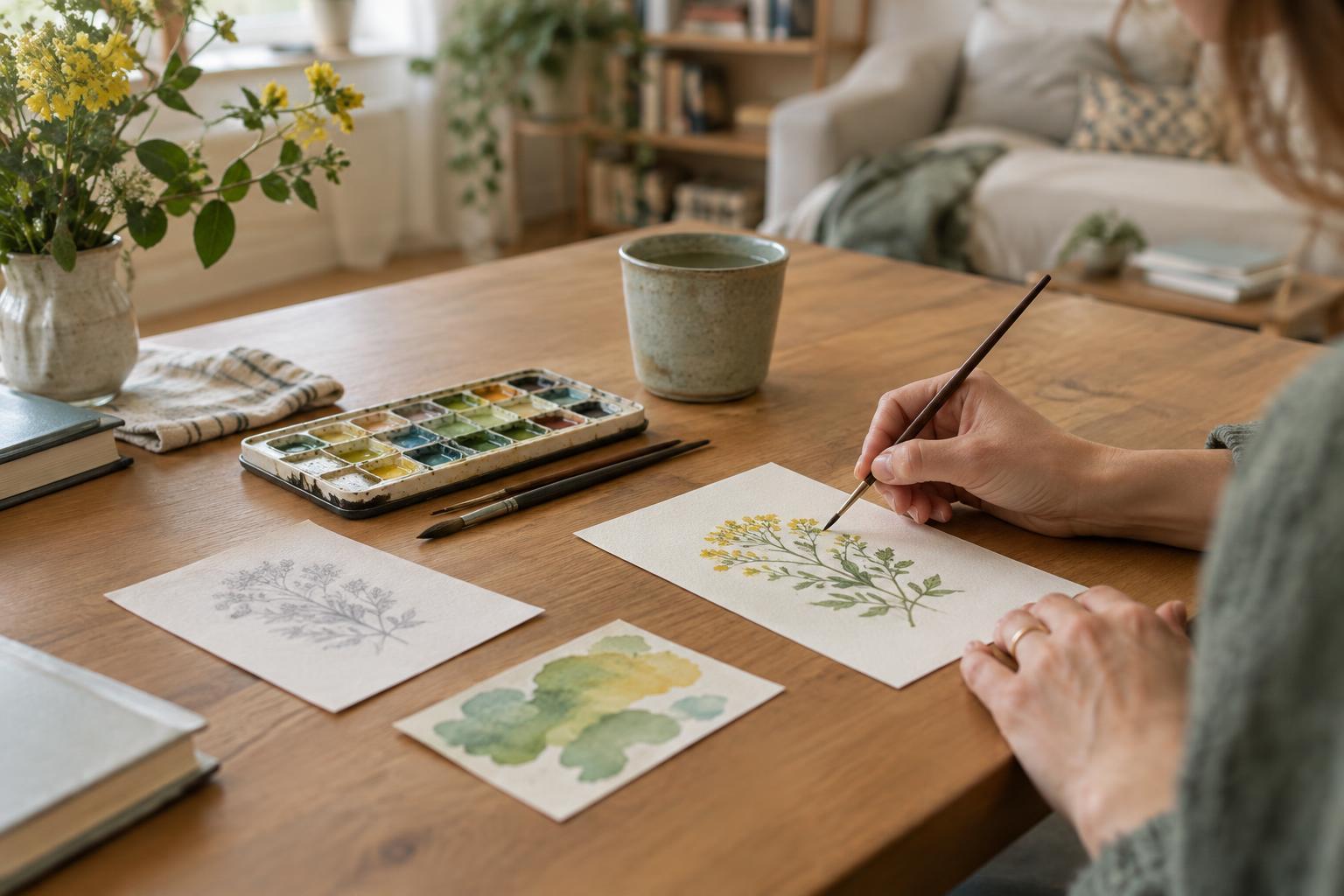
Break the work into three stages: prepare, make and finish. Preparation might mean selecting photos or testing two color combinations. Making is the main work. Finishing might include trimming edges, adding a final coat or putting the piece in a frame. Give each stage a small, visible checkpoint so you can tell when it is complete. “Choose six photos” is easier to act on than “get ready to make something.”
Set aside a little more time than you expect for setup and cleanup, especially if you share a table or need to put materials away between sessions. If your schedule is crowded, choose a stopping point that lets you restart easily. Leave a note such as “Next: attach the background pieces” beside the project. That small cue can save you from having to reconstruct your plan later.
Make a rough version before polishing
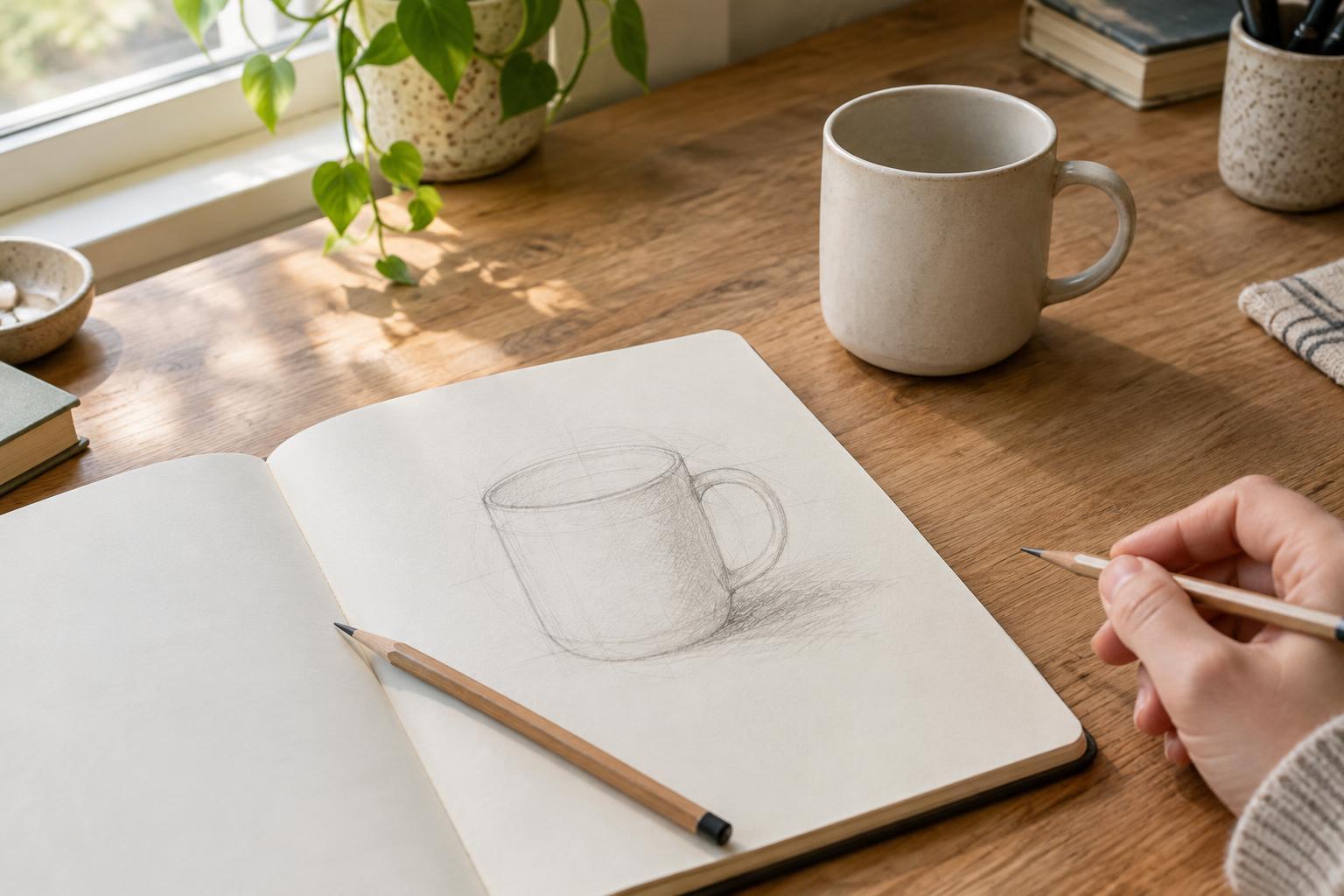
Begin with a draft, layout or test piece. It can be a thumbnail sketch, a quick paragraph, a loose arrangement of materials or a sample made on spare paper. Its job is to reveal decisions, not to look impressive. You may discover that your chosen colors clash, your story needs a shorter opening or the object will not fit its intended space. Finding that out early is useful progress.
When something does not work, change one thing at a time. Move the largest element before replacing every color; revise the structure before editing individual sentences. Keep your original brief nearby and ask whether a change helps the piece serve its purpose. You can save tempting new ideas for another project rather than asking this one to hold them all.
Decide what finished means
Creative work can always be adjusted, so decide in advance what “done” will look like. Your checklist might be: the piece is complete, it can be displayed or given as intended, and no obvious unfinished step is distracting you. Then allow one final review. Step away briefly if you can, return with fresh eyes and fix only the things that matter to the result. A minor imperfection does not have to become another entire work session.
Give the finished piece a destination. Hang it, use it, send it to its recipient or place it in a folder you can easily revisit. If you like, jot down what you enjoyed and what you would do differently next time. That reflection is not a test of whether the project was good enough. It is a way to carry what you learned into the next small idea—and to recognize that you followed this one through.