Start with the setting, not the label
A dress code is a clue, not a complete outfit plan. “Casual” at a friend’s house may mean something different from “casual” at a restaurant or work gathering. Before choosing clothes, consider where you are going, what you will be doing, and whether you will spend time indoors, outdoors, seated, or on your feet.
When an invitation says casual, clean everyday clothes are usually a sensible starting point: jeans, chinos, relaxed trousers, a simple dress, or a skirt paired with a comfortable top. Smart-casual generally calls for a little more intention. You can keep the ease of a casual outfit while adding a neater piece, such as a collared shirt, structured knit, blazer, or polished shoes. Exact expectations vary by host and venue, so if the occasion matters and you are unsure, it is fine to ask.
For casual plans, aim for comfortable and considered
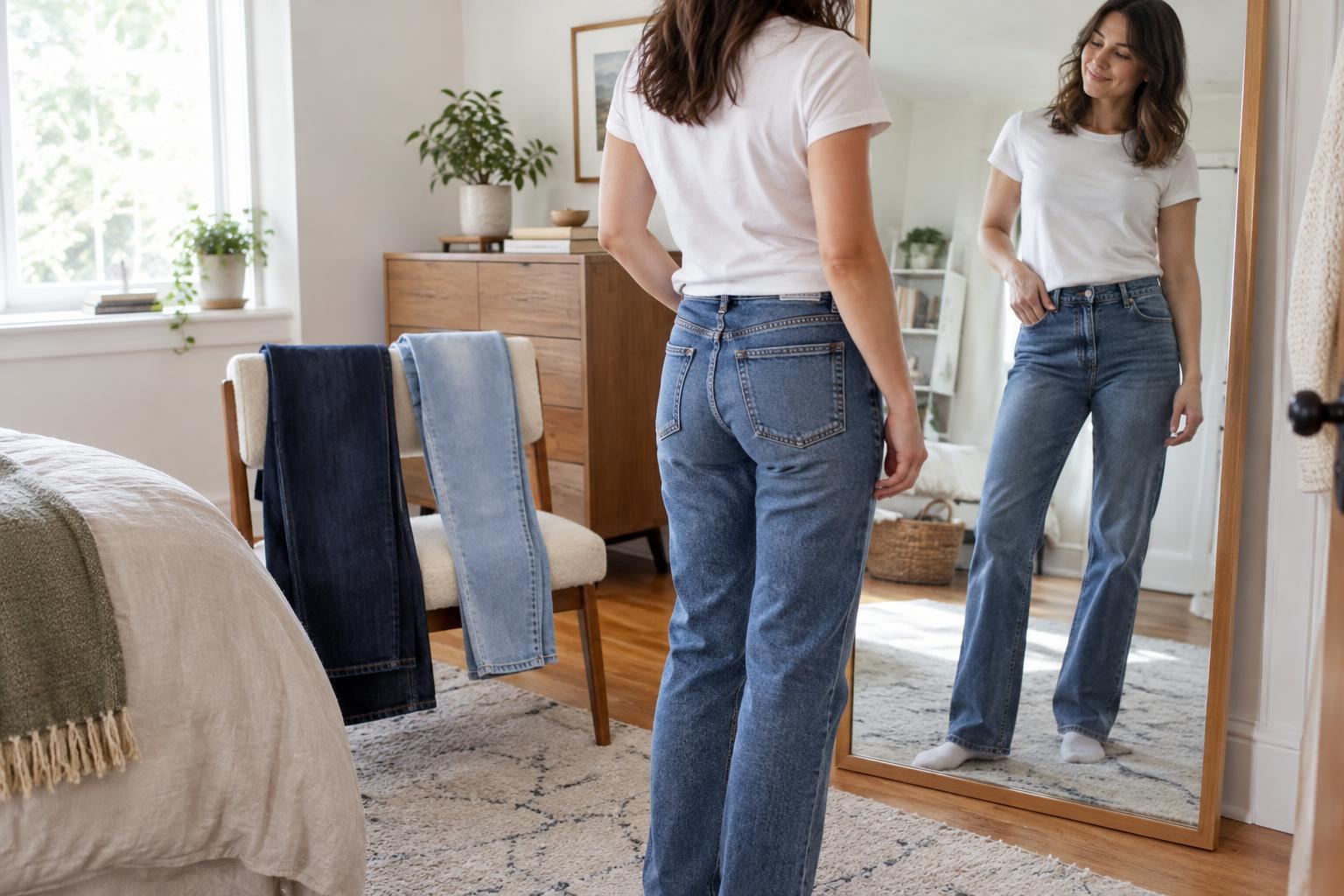
For coffee, a weekend lunch, a museum visit, or an informal get-together, start with clothes you can move in. Straight-leg jeans and a T-shirt, chinos and a casual shirt, or a simple dress with a light layer can all work. The goal is not to look dressed up; it is to look ready for the plan. A good fit, clothes in decent condition, and shoes suited to the activity often make more difference than a particular trend.
Let the details respond to the day. For a walk followed by lunch, choose footwear you can comfortably walk in. For a gathering at someone’s home, a soft sweater or overshirt may feel more natural than a stiff jacket. If you expect changing temperatures, bring a layer you are happy to wear as part of the outfit rather than one you will carry all afternoon.
For smart-casual plans, elevate one or two pieces
Smart-casual often works best when the outfit has both relaxed and polished elements. Try dark, unfaded jeans or tailored trousers with a knit top and loafers; a casual dress with a structured jacket; or chinos with a crisp shirt and clean, understated sneakers. You do not need to make every item formal. In fact, pairing several dressy pieces can make the outfit feel more suited to a formal occasion than the invitation suggests.
A dinner, celebration, or work social may call for a slightly different balance. At a restaurant, a neat top and shoes can lift familiar trousers. For an event involving colleagues, you might choose clothing similar to your everyday work style, then relax one element. Pay attention to the venue, too: some places have their own requirements, while others are flexible. If you cannot tell, an outfit that can be adjusted with a jacket or a change of shoes gives you options.
Use shoes and layers to fine-tune the outfit
Shoes can shift the feel of an outfit without changing its foundation. Casual sneakers or flat sandals can make a neat dress or trousers feel relaxed; loafers, ankle boots, or other tidy shoes can give the same clothes a smarter finish. Choose for the ground and weather as well as the dress code. Shoes that hurt or leave you worrying about a long walk are unlikely to help you feel confident.
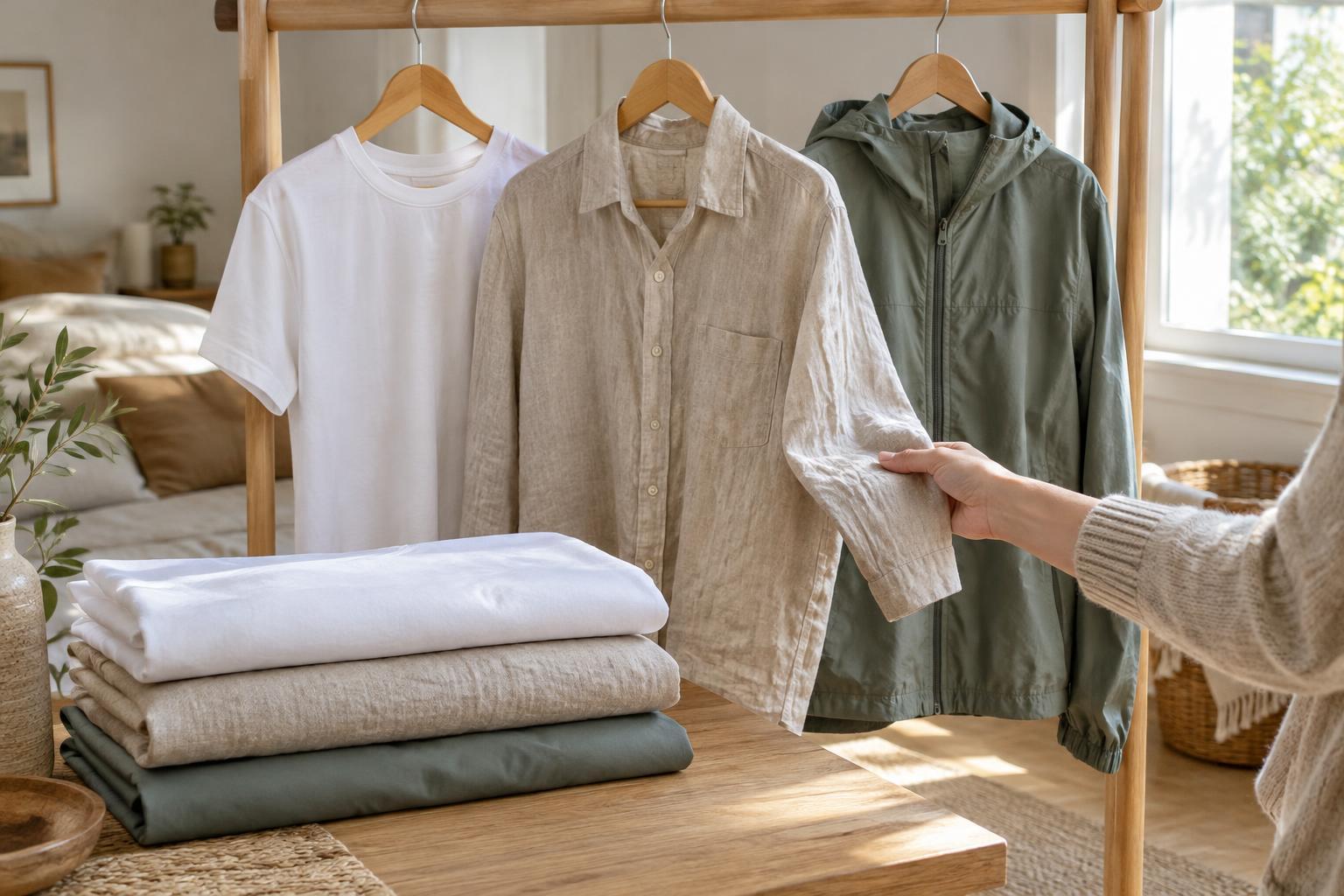
Layers serve a similar purpose. A cardigan keeps an outfit soft and casual, while a blazer or structured overshirt can add definition. If you are deciding between two levels of dressiness, begin with a comfortable base and bring one layer that moves the outfit in the smarter direction. That is often simpler than packing a complete change of clothes.
Build a reliable formula of your own
You do not need a separate outfit for every invitation. Identify a few combinations you already like wearing, then note what would make each one more relaxed or more polished. For example, trousers and a plain top might pair with sneakers for a daytime visit, then with loafers and a jacket for dinner. A favorite dress might work with a casual layer and practical shoes, or with a sharper layer for a smarter setting.
Before leaving, do a quick check: Can you sit, walk, and feel at ease? Are your clothes suited to the weather and the place? Does the overall outfit feel like you? If the answers are yes, you have probably done enough. Dress codes can guide your choice, but feeling comfortable in what you wear matters too.