Start with an ordinary week
Before looking at shoe styles, think about where your feet go on a typical week. Do you walk to transit, stand while cooking, drive between errands, or spend most of the day at a desk? A shoe that feels pleasant for a short trip may be less appealing after several hours on your feet. List your most common activities, the surfaces you walk on and the clothes you usually wear. This gives you a more useful starting point than choosing a pair because it looks versatile on a shelf.
It can help to separate your days into two or three patterns rather than asking one pair to do everything. You might want an easy-to-wear shoe for errands, a tidier option for work and a weather-ready pair for damp days. If you mostly follow one routine, you may need fewer options. The aim is to cover your real activities without filling your closet with shoes reserved for imagined occasions.
Notice what feels good when you move
Fit is more than finding your usual size. Your toes should have room to move, while the heel should feel secure when you walk. Pay attention to any rubbing, pinching or pressure rather than assuming a new pair will become comfortable later. Sizes and shapes can vary between styles, so try the shoes on instead of relying only on the number on the box.
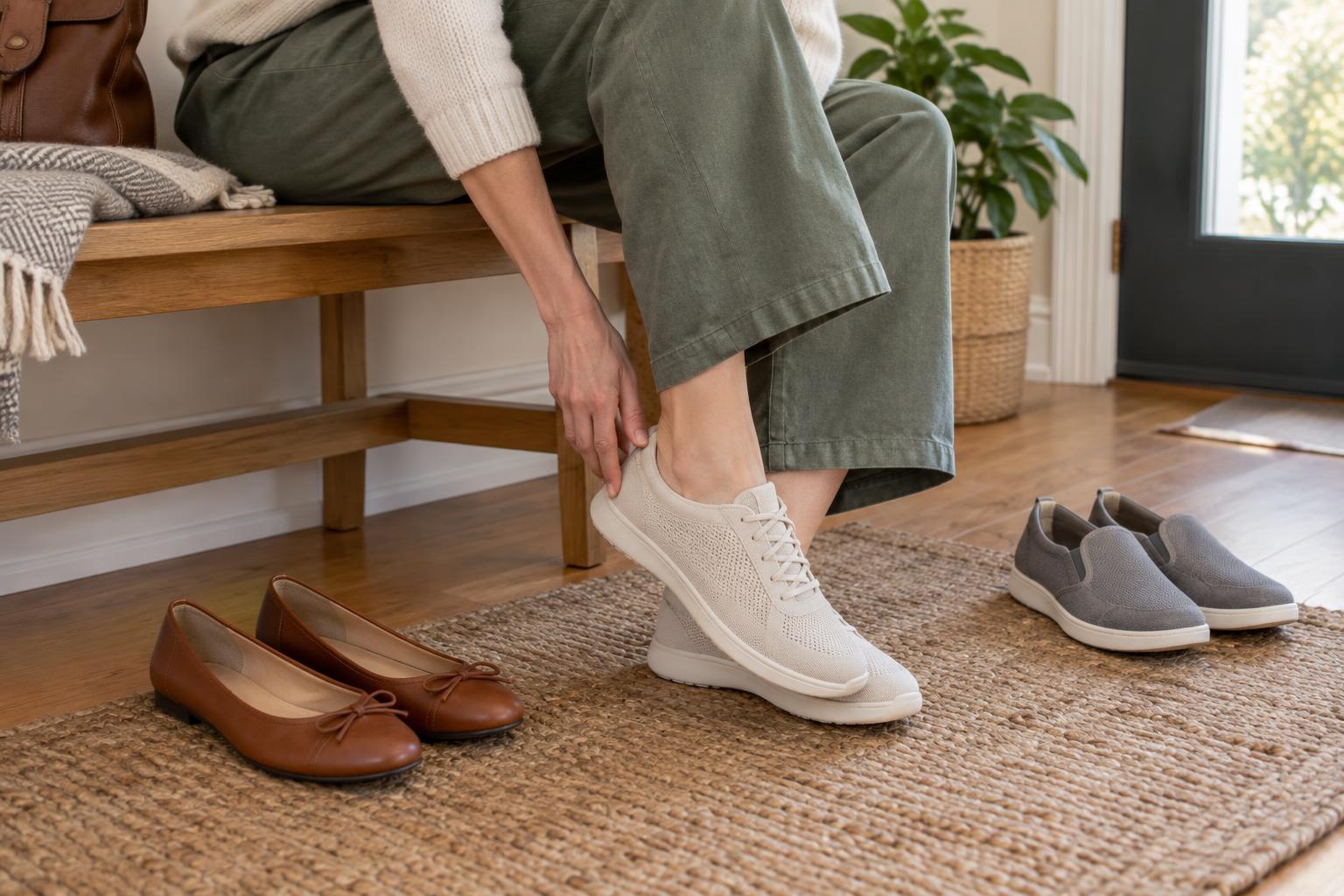
Walk around in both shoes and change direction a few times. Check whether your foot slides forward, your heel lifts noticeably, or the shoe bends awkwardly against your foot. If you plan to wear socks with the pair, bring a similar pair when trying it on. Also consider fastenings: laces offer adjustment, while slip-ons may be quicker to put on. Neither is automatically better; the useful choice is the one that stays comfortable and secure during your day.
Match the sole and upper to your routine
Look at the sole with your usual routes in mind. If you walk often, a sole with some flexibility may feel easier to move in than one that is very stiff. If you regularly encounter wet pavements or smooth floors, notice the tread rather than judging the shoe only from above. For activities that involve long periods of standing, consider how the shoe feels underfoot after more than a few steps. A very soft first impression does not always tell you how a pair will feel throughout the day.
The upper—the part surrounding your foot—matters too. A light fabric may feel suitable for dry, casual days, while a more substantial material may be preferable when you want coverage or a neater appearance. Check seams and edges in places where your feet tend to notice them. Think about upkeep as well: a shoe that needs frequent cleaning or special care may be less convenient than one you can maintain within your normal routine.
Choose a look you will actually wear
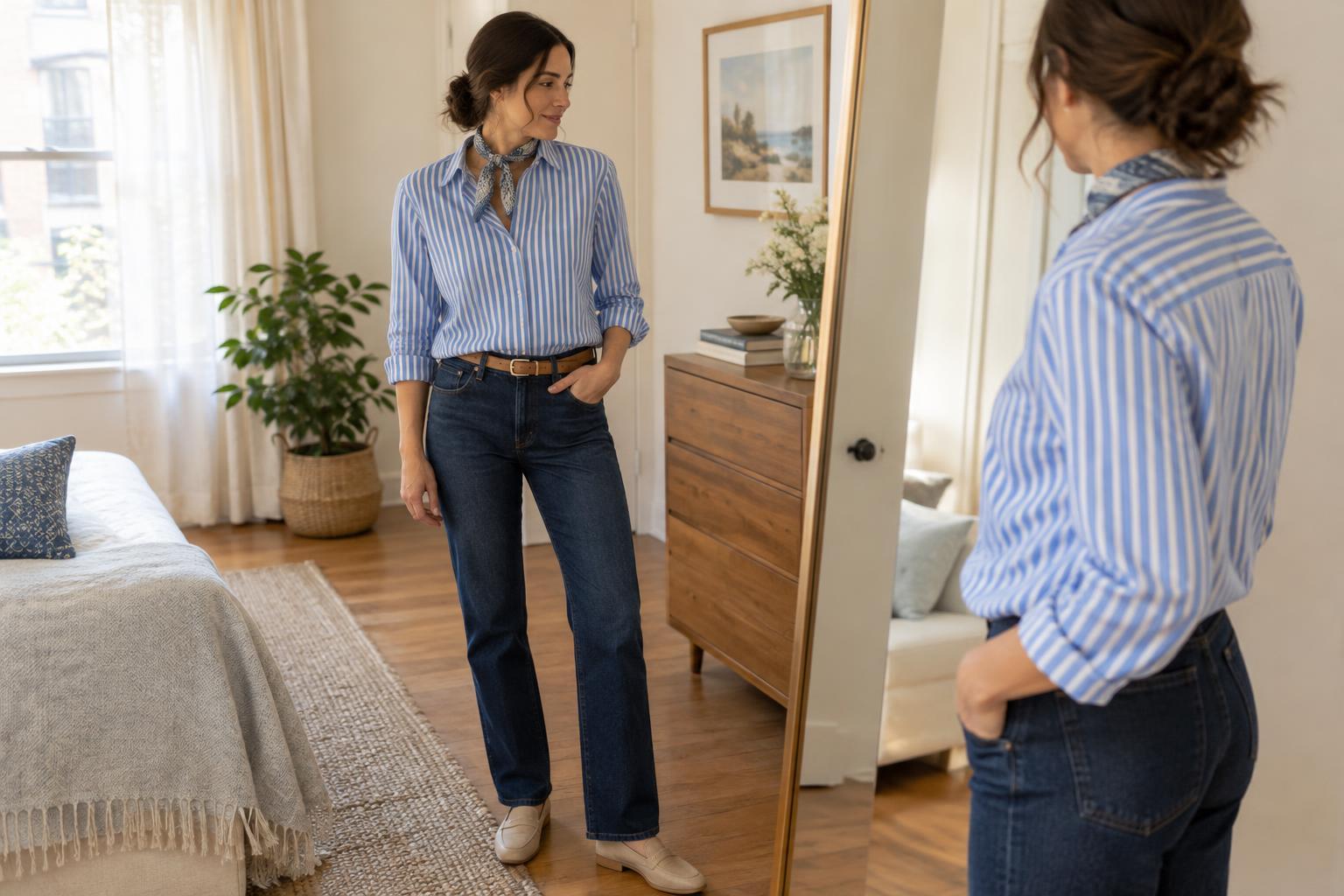
Comfortable shoes earn their place in a wardrobe when they work with the clothes you reach for most. Look at your usual trouser lengths, skirts or casual layers, then picture the shoes with several outfits you already own. A familiar colour can be easy to repeat, but it does not have to be neutral. If a brighter pair makes simple outfits feel more like you, it may get more wear than a sensible-looking option you never feel like putting on.
Consider how polished you need to look in your regular settings. Clean-lined trainers, simple flats, casual boots and other everyday styles can each fill a different role. There is no need to make every pair suitable for every invitation. A small selection that covers your common plans often makes getting dressed easier than one compromise pair that never feels quite right.
Give the final choice a realistic test
When deciding between two pairs, compare them against the week you described at the start. Which would you choose for a normal morning when you are in a hurry? Which works with clothes you already wear? If shopping in person, take a little time to walk on the available floor rather than deciding while seated. If shopping online, check the seller’s sizing guidance and return terms before committing, since photographs cannot tell you how a shoe will feel.
Once you have a pair, try it during an ordinary, lower-demand outing before relying on it for a busy day. This gives you a chance to notice whether it stays secure and feels comfortable in motion. If a shoe causes persistent discomfort, do not keep wearing it simply because it matches your outfits. Everyday style should make daily life easier, not give you another thing to work around.