Start with how you’ll wear it
Before looking for flaws, ask where the piece would fit into your life. Can you picture wearing it with clothes you already own, on an ordinary day rather than an imagined occasion? A striking jacket may be worth making room for, but a bargain is less useful if it needs shoes, layers or a level of upkeep you do not want to add.
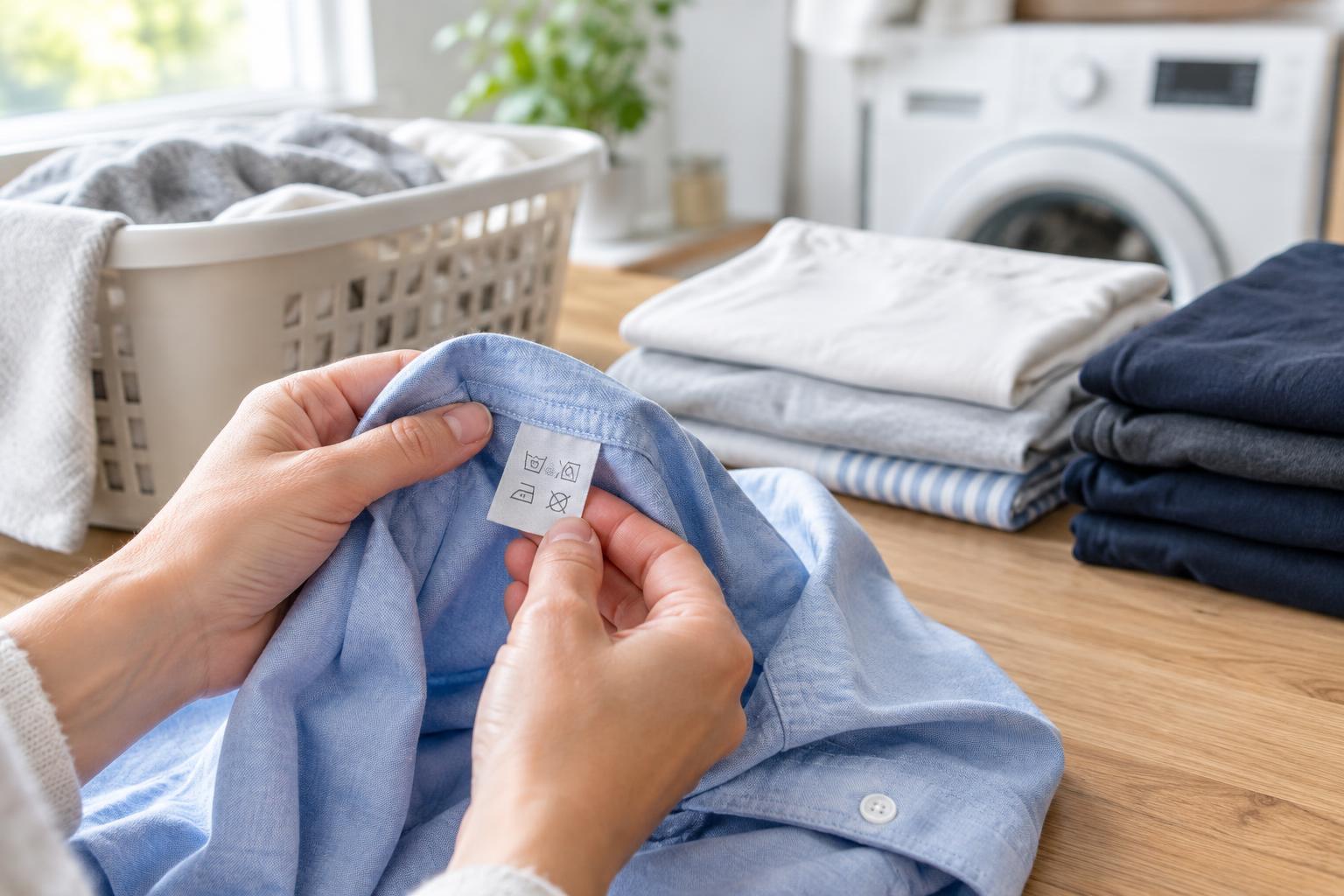
Check the label for fabric content and care instructions when they are available. Think about how the material feels against your skin, whether it suits your usual climate and whether you are willing to wash or care for it as directed. If the label is missing, judge the garment by touch and construction rather than assuming what it is made from.
Inspect the places that work hardest
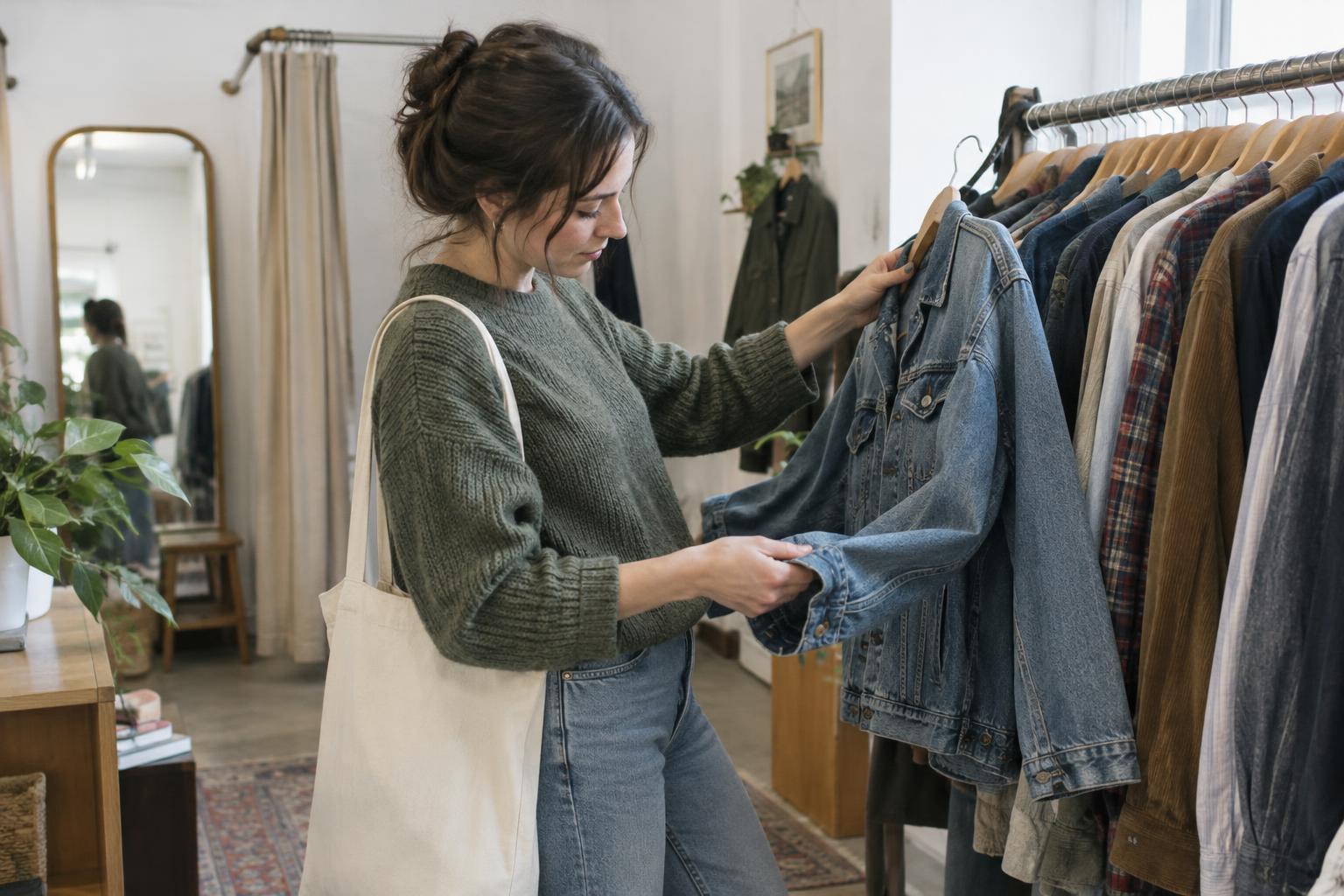
Good lighting makes a difference. Look over the front and back, then check the underarms, collar, cuffs, waistband, seat, knees and hems. These areas often reveal fading, pilling, stains or thinning that is easy to miss on a hanger. Hold lighter fabrics up to a light to spot tiny holes or patches worn thin. Turn the garment inside out if you can; the reverse side can show loose stitching or repairs.
Test the parts that move. Run zips up and down, fasten buttons and snaps, and check that hooks are secure. Gently stretch elastic and see whether it springs back. On shoes, look at the soles, heel wear, lining and any areas where the upper is separating. A missing button may be simple to replace; a broken zip or worn-through fabric is a bigger project.
Check fit, not just the size tag
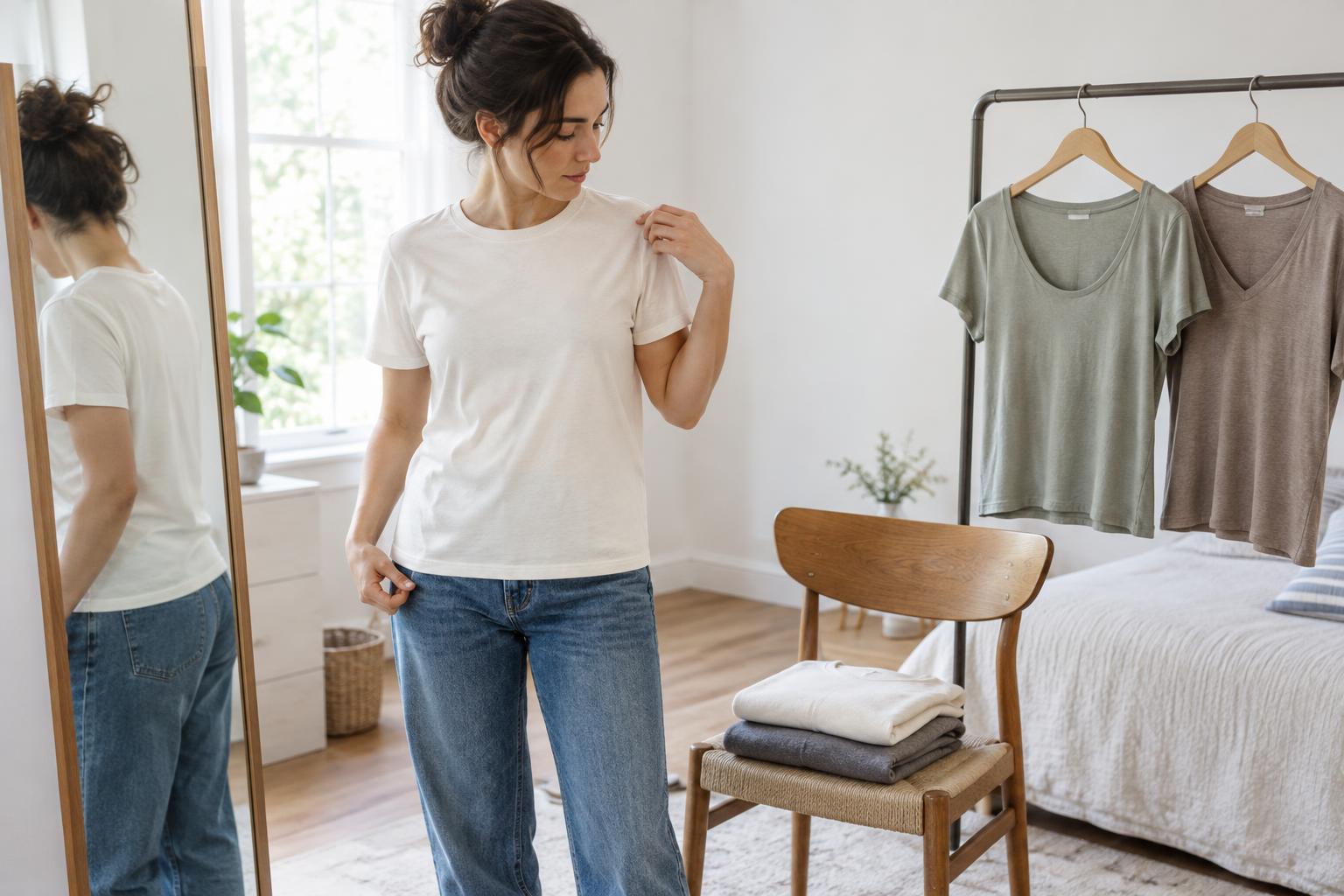
Secondhand sizing can be unpredictable. A garment may have shrunk, stretched or been altered, and sizes vary between makers. If you can try it on, move around: sit down, raise your arms and walk a little. Notice whether seams pull, waistbands dig in or shoulders slip. Check length with the kind of shoes you expect to wear.
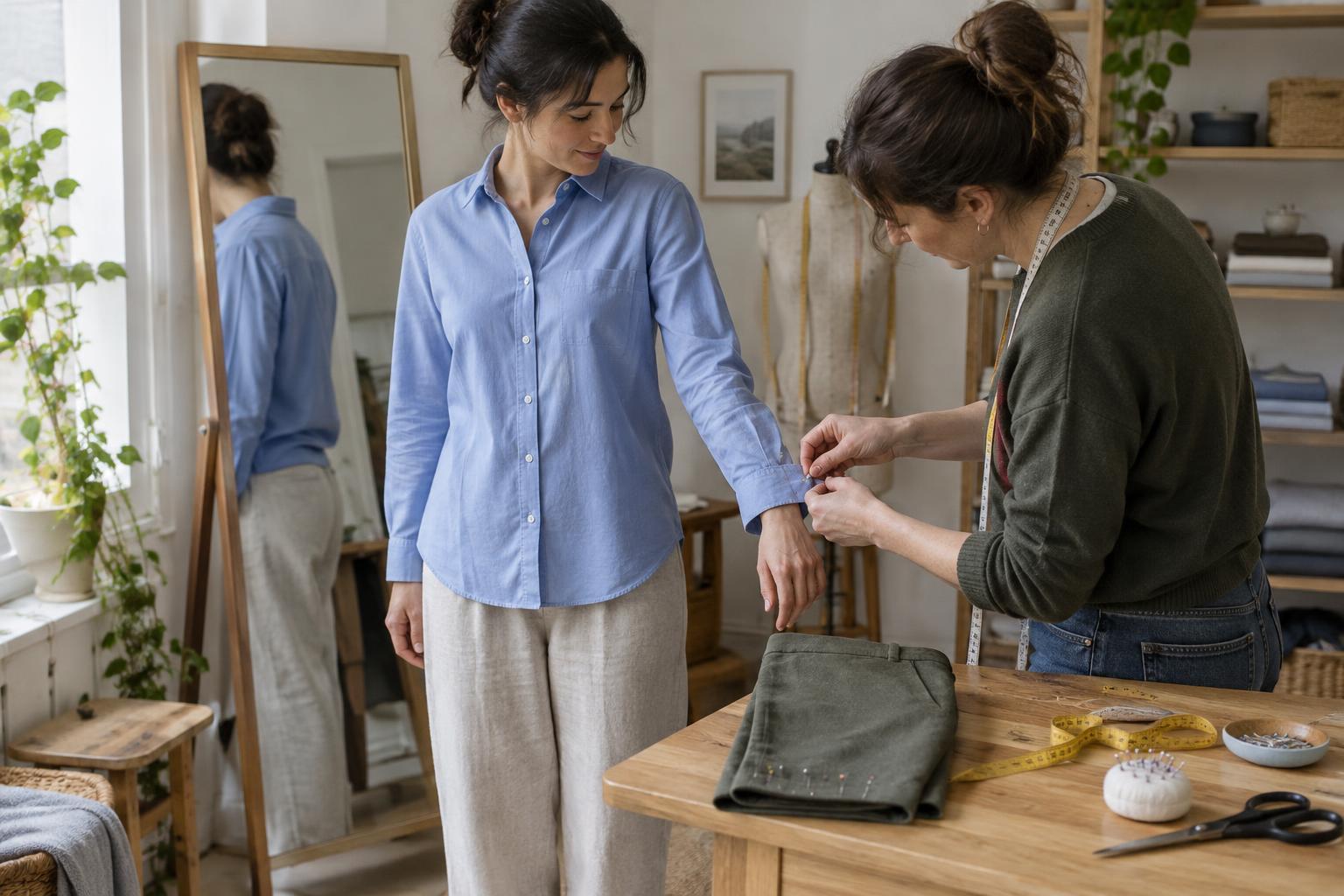
When shopping online, compare the seller’s measurements with a similar piece you own that fits well. Useful measurements might include shoulder width, chest or waist width, rise, inseam and total length, depending on the item. Ask how the piece was measured if the listing is unclear. A tailor may be able to adjust a hem or take in a waist, but do not count on an alteration without considering its cost and whether there is enough fabric to work with.
Decide which signs of wear you can live with
Not every imperfection is a reason to pass. A little softening can make denim or a cotton shirt more comfortable. What matters is whether the condition matches your expectations and whether you are willing to deal with it. Look closely at stains, odors and discoloration rather than assuming they will wash out. If a smell is strong or a mark is in a prominent spot, be comfortable wearing the item as it is before you buy.
Consider the work involved in cleaning, mending or depilling. A loose seam may be a manageable fix if you sew; for someone else, it may become a garment that waits unworn. This is especially important with delicate knits, embellished pieces and structured coats, where damage can be harder to address neatly.
Make a final value check
Look at the total cost, not only the price on the tag. For an online purchase, include shipping and check the return policy. Read the full description and inspect every photo, especially close-ups of flaws. If a key detail is missing, such as the condition of the lining or the exact measurements, ask before purchasing. In person, give yourself a moment away from the rack to look at the piece again.
A useful final question is: would I still want this at this price if I could not repair it, resell it or return it? If the answer is yes, and the fit and condition work for you, it may be a strong addition to your wardrobe. If you are relying on several things going right, leaving it behind can be the more satisfying choice.