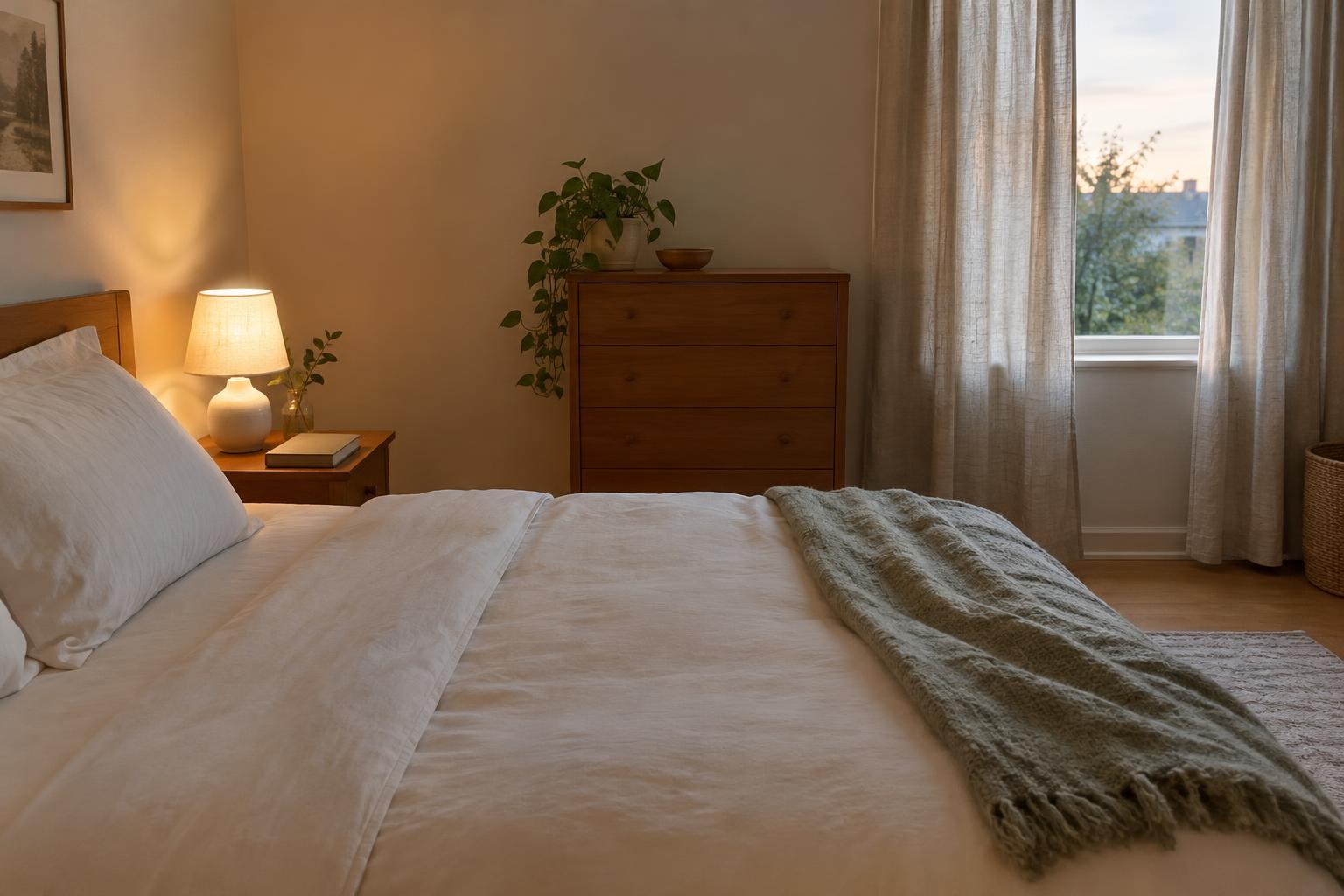
Start with what you actually do
A tidy-looking room is easier to maintain when its storage matches the way you use it. Before choosing shelves or cabinets, notice what tends to land on the counter, table or floor. Is it something you reach for several times a day? Does it lack an obvious home? Or does putting it away take one step too many? Those answers are more useful than a picture of a perfectly arranged room.
Make a quick list of the items you want to store, then sort them by frequency of use. Daily essentials need a convenient spot; occasional items can live behind a door or on a higher shelf. Also consider who needs access. A low, visible shelf may help everyone return shared items, while a cabinet can protect things that are fragile or better kept out of easy reach. If several people use the space, the simplest system for the whole household is usually the one that lasts.
When open shelves make everyday life easier
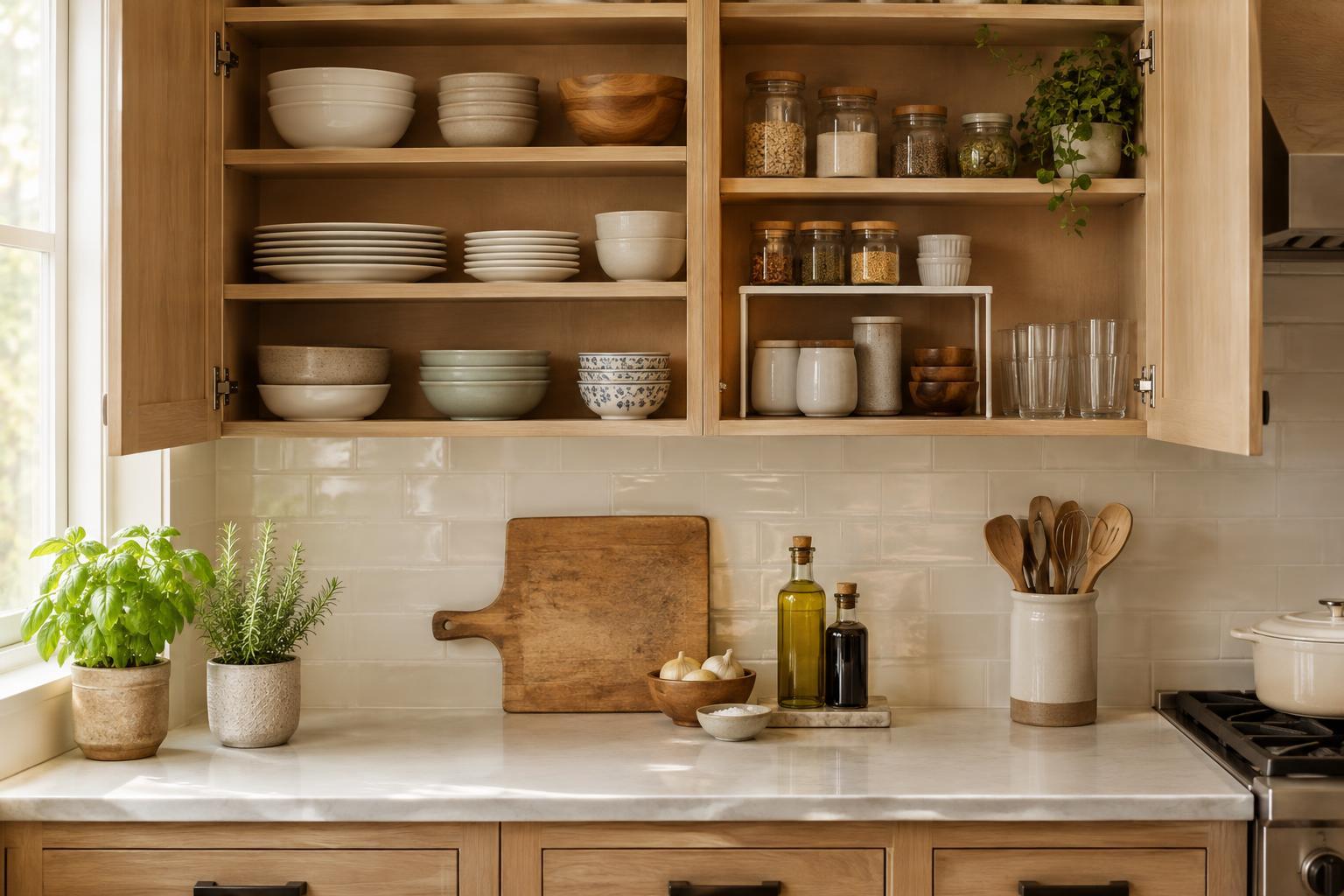
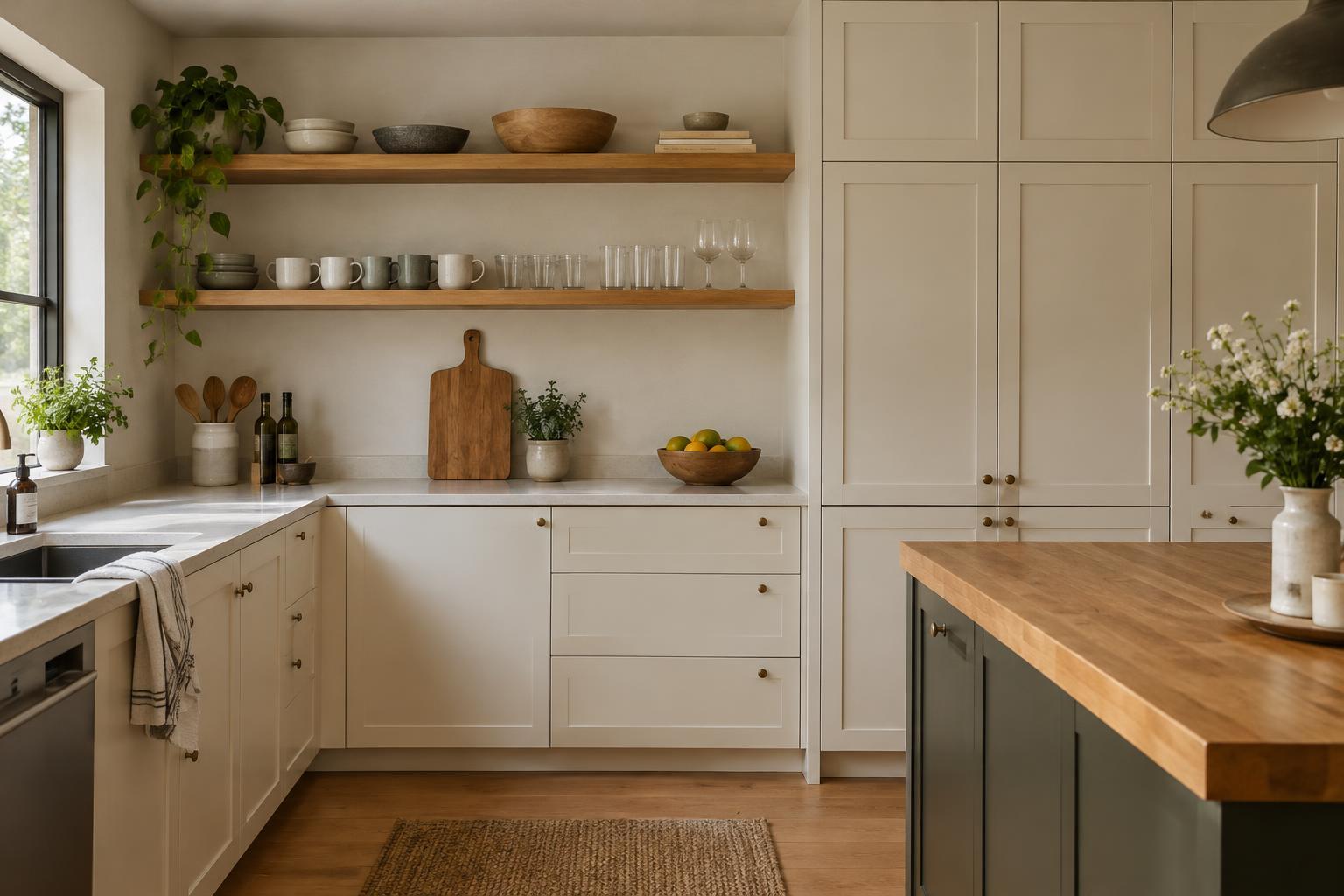
Open shelving works well for things you use often and can put back without fuss: mugs beside a kettle, books by a reading chair or a small collection of craft supplies near a worktable. Being able to see an item can make it easier to find and remember. Shelves can also keep a small area feeling less visually heavy than a bank of solid cabinet doors, especially when there is breathing room around what you display.
The trade-off is that everything remains in view. Packaging, loose papers and mismatched objects can make a shelf feel busy even when each item has a place. Exposed surfaces also need regular cleaning, particularly in spots where dust or cooking residue collects. If you enjoy arranging objects, that upkeep may feel worthwhile. If you would rather finish a task and walk away, limit open storage to a few things that are easy to return in one motion.
You do not have to style every inch. Leave some empty space so it is easy to take out a bowl or put away a book without shifting five other objects. For small items, use a tray or basket with a clear purpose, such as holding keys or sewing tools. A container helps only if you can still tell what belongs inside it.
Where closed cabinets earn their space
Cabinets are useful when the contents are practical but not pleasant to look at: spare toiletries, cleaning supplies, paperwork, food packages or a mix of cables. A door gives a room a calmer appearance without requiring every item inside to match. It can also help shield belongings from everyday dust and splashes, depending on the cabinet and its location.
Hidden storage has its own risk: it is easy to postpone decisions by shutting the door. If opening a cabinet reveals an overfilled shelf, the problem has not disappeared; it has become harder to find what you need. Give frequently used items a place near the front, and group similar things in containers only where grouping saves time. Shallow shelves, drawers or a simple shelf divider may be more useful than one deep space where items disappear behind one another.
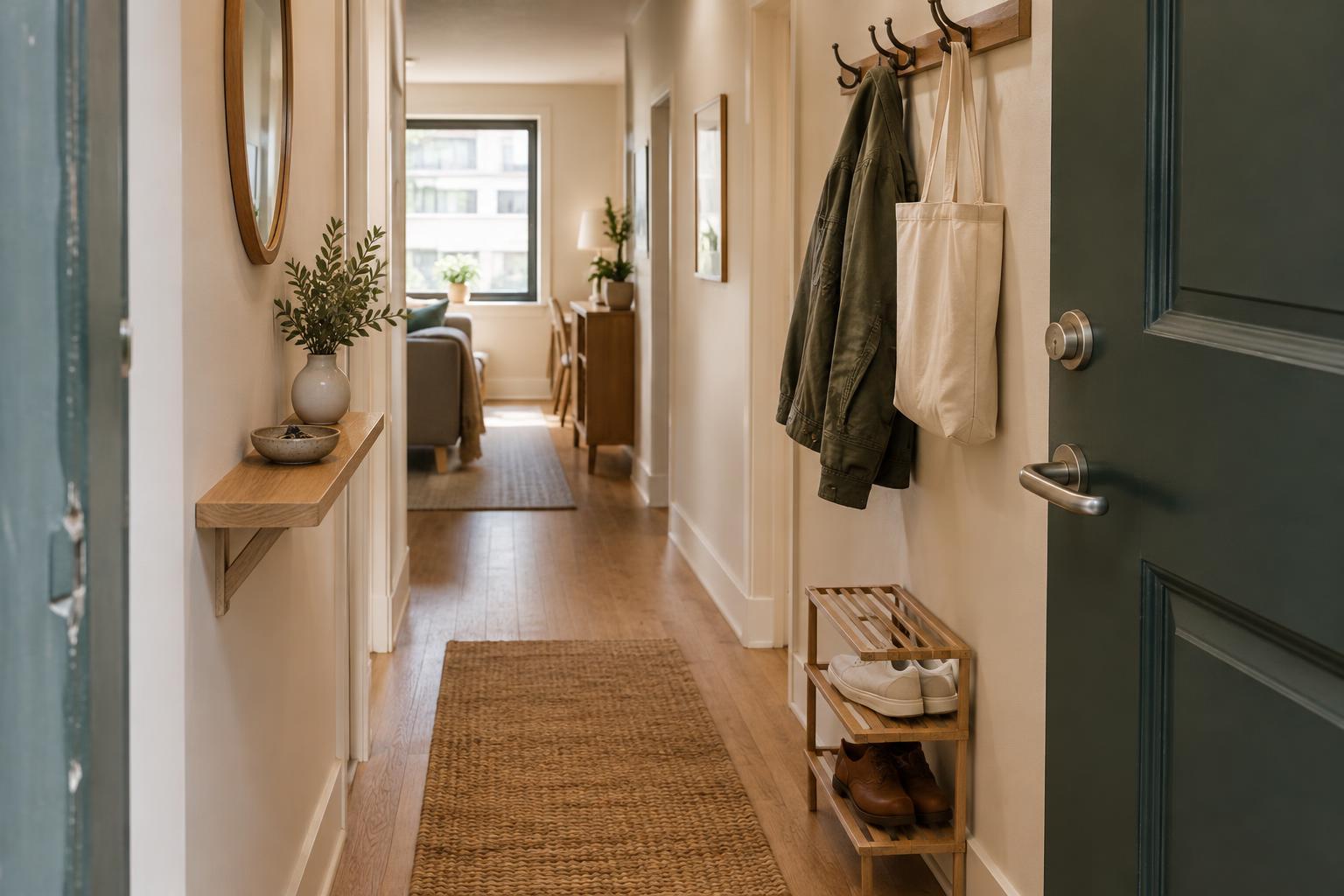
Pay attention to the movement a cabinet requires. A swing door needs clearance, and a drawer needs room to pull out fully. In a narrow walkway, the storage that looks neat when closed may be awkward in daily use. Measure both the unit and the space you need to stand, reach and open it comfortably.
Try a mix before making a bigger change
Most rooms benefit from both kinds of storage. In a kitchen, an open shelf might hold the plates you use every day, while a cabinet contains food packages and less-used appliances. In a living room, shelves can hold a few books and objects you like seeing; closed storage can take care of games, chargers and other small pieces. The aim is not to divide everything evenly. It is to make common actions easy and let the room feel comfortable to you.
Before buying furniture or changing fitted storage, test the idea with what you have. Clear one shelf, place only your most-used items there, and notice whether you put them back. Move the less attractive or less frequently used items behind a door. After a week or two, look for friction: Is something still left out because its home is inconvenient? Is a shelf becoming crowded? Small adjustments can tell you more than an ideal layout on paper.
Choose open shelves if visibility helps you use and return things, and you are comfortable with some upkeep. Choose closed cabinets when you want a quieter view or need to contain varied supplies. If your habits differ from room to room, let the storage differ too. A workable home does not have to follow one rule everywhere.