Start with the outfit you want to wear
Before comparing T-shirts, think about where yours will spend most of its time. A tee worn under an open shirt may need a tidy neckline and little extra fabric at the sides. One worn on its own might benefit from a more substantial fabric or a shape that holds its outline. There is no universally flattering cut: the useful question is whether the shirt does what you want with the clothes you already own.
Bring a familiar layer or pair of trousers to a try-on if you can. A shirt that looks balanced with high-rise jeans may feel too short with lower-rise trousers; a roomy tee that works untucked might bunch under a fitted jacket. Testing a real outfit makes it easier to judge than studying the T-shirt in isolation.
Use the neckline to set the tone
A crew neck has a rounded opening that sits relatively close to the neck. It gives a clean edge beneath a jacket, overshirt or cardigan, and it can make a loose tee look more structured. Crew necks vary, though: some sit high while others open up around the collarbone. If a high collar feels restrictive, look for a wider or slightly lower crew rather than ruling out the style altogether.
A V-neck creates a more open line at the chest. A shallow V can be an easy alternative to a crew; a deeper one makes the neckline a more noticeable part of the outfit. Scoop and boat necks offer other options: a scoop has a rounded, open curve, while a boat neck runs wider toward the shoulders. Try each with the layers you normally wear, since a neckline that feels right on its own may disappear or sit awkwardly under another collar.
Whatever the style, check how the edge lies when you move. A neckline that twists, gaps more than you like or presses against your neck is unlikely to become a favorite simply because its label names the cut you wanted.
Choose fabric weight for feel and drape
Lightweight fabric often feels soft and falls close to the body. It can be comfortable under layers and may tuck with less bulk, but it may also show the outline of an underlayer or cling where you would prefer space. Hold the shirt up to the light and try it on in ordinary lighting; color and knit can affect how much shows through.
A midweight tee is a practical starting point if you want one shirt for several outfits. It may drape without feeling either very delicate or especially stiff. Heavier fabric tends to hold a boxier shape and can give a standalone tee a more defined look, though it may feel warmer or create bulk beneath close-fitting layers. These are tendencies, not guarantees: the knit, finish and cut also change how a fabric behaves.
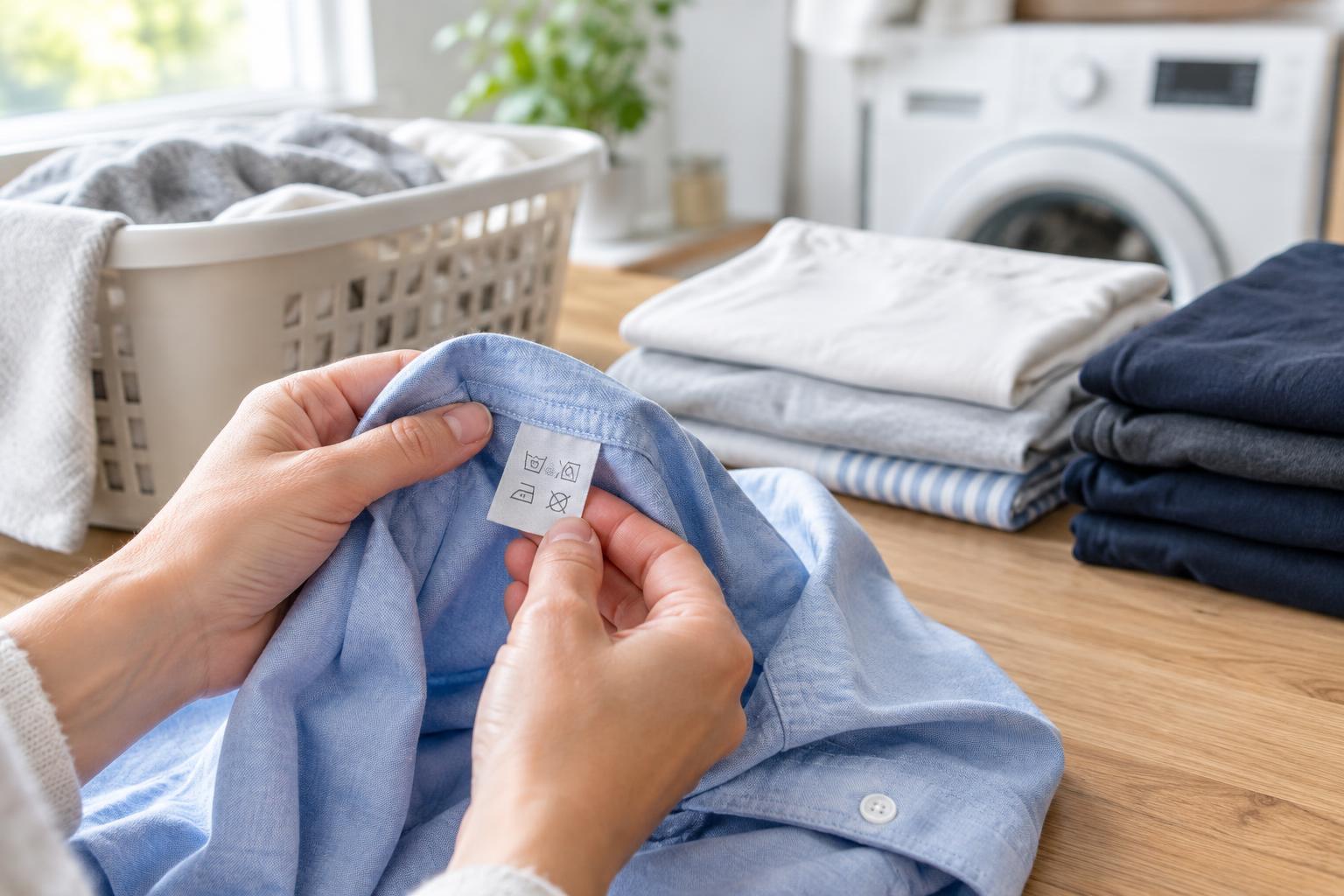
Touch and movement tell you more than a weight label alone. Does the fabric feel comfortable at the neck and under the arms? Does it fall back into place after you lift your arms, or does it catch on other clothing? Check the care label, too. A T-shirt that needs more attention than you want to give it is less useful, however good it looks in the fitting room.
Look at shape, not just size
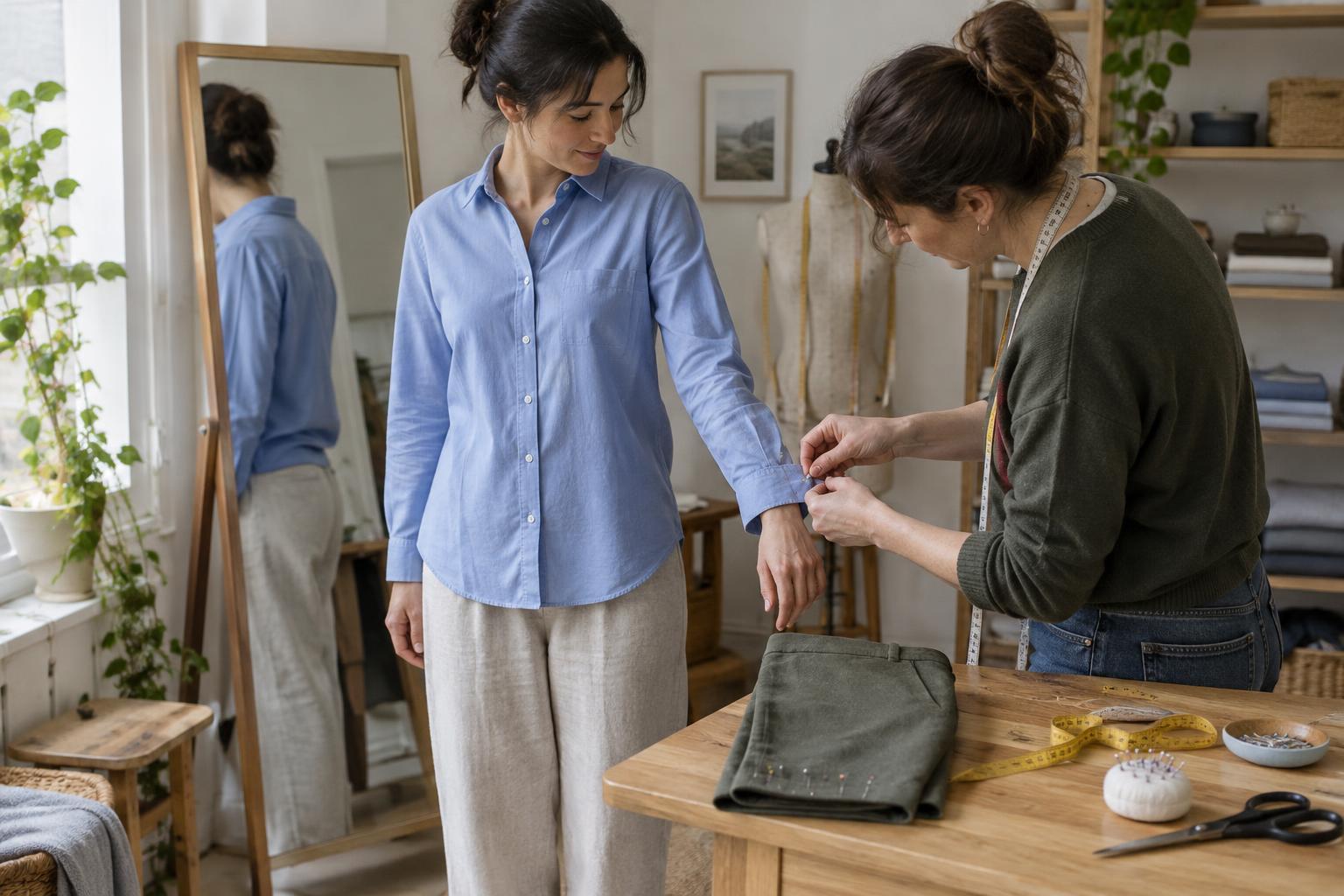
T-shirt shape comes from several details working together: shoulder placement, chest width, sleeve length, side seams and hem length. A fitted tee follows the body more closely and can sit smoothly under layers. A straight cut leaves a little room without dramatically changing your outline. A boxy cut is usually wider through the body and may be shorter, giving it a squarer silhouette. An oversized tee adds more ease, but going up a size in a fitted cut does not always create the same effect.
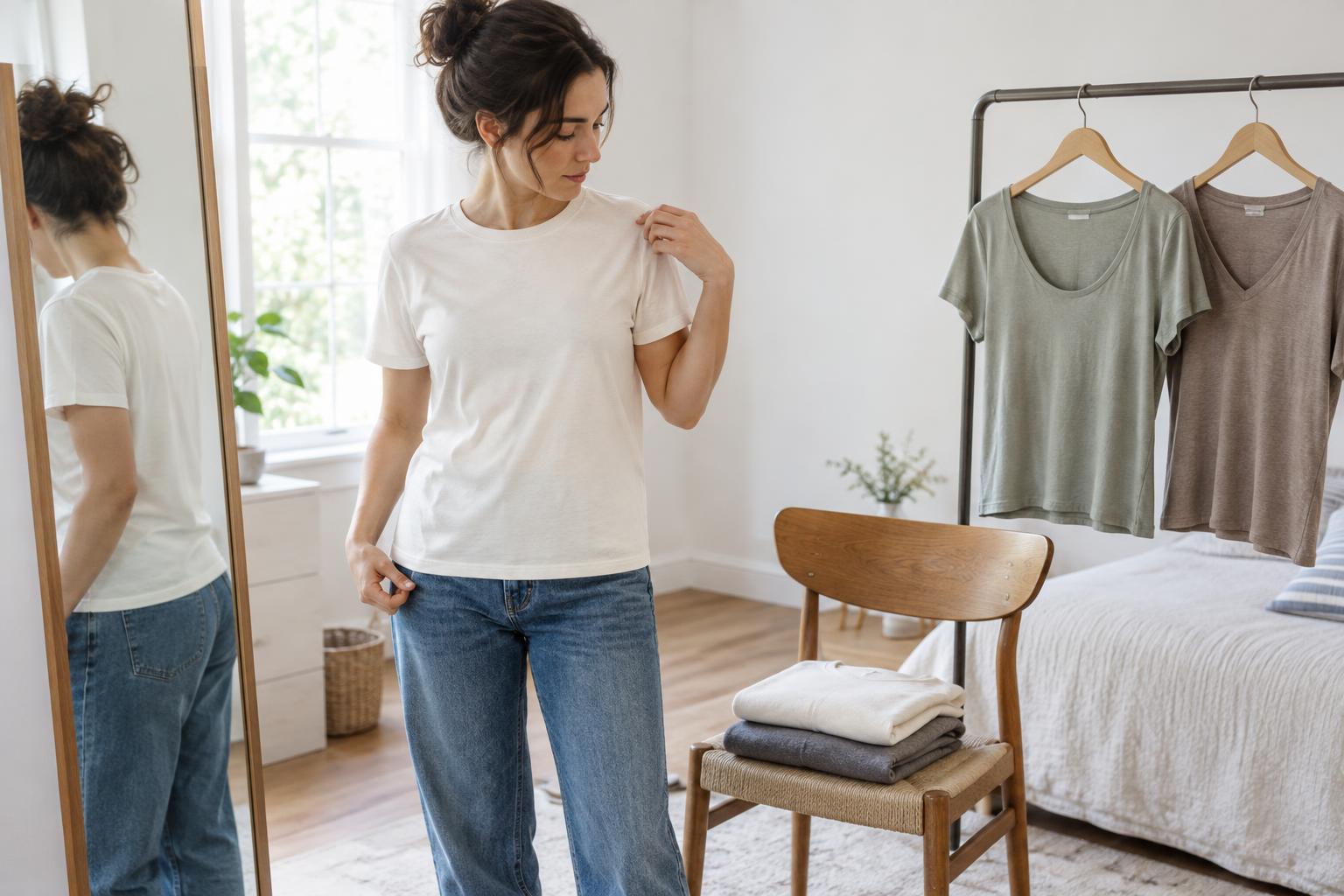
Notice where the shoulder seam lands and how the sleeve sits when your arms are relaxed. Then check the hem while standing, sitting and reaching forward. If you plan to tuck the shirt, make sure there is enough length to stay put. If you prefer it untucked, see where it meets your trousers and whether that proportion feels right to you. The best size is the one that gives you the shape and range of movement you want, even if it differs from your usual size.
Make the final choice with a quick try-on check
When two tees seem similar, compare them in the same outfit. Look at the neckline first, then the way the fabric hangs, and finally the proportions of the sleeves and hem. Lift your arms, sit down and add the layer you are most likely to wear. If a shirt needs constant adjusting to look the way you want, keep looking.
You do not need one perfect T-shirt for every occasion. A lighter tee for layering and a more structured one for wearing alone may serve you better than several near-identical purchases. Choose the combination of neckline, weight and shape that makes getting dressed easier—not the one that only looks good on the hanger.