Start with the meals you actually eat
A dining area can look inviting and still be awkward to use. Before changing anything, notice what happens during a typical week. Do you eat quick breakfasts alone, share evening meals, or mostly use the table for coffee and conversation? Think about who needs a seat most days, rather than planning the whole space around an occasional large gathering. This gives you a clearer idea of what the area needs to do.
Pay attention to small frustrations: a chair that blocks a cupboard, a table that collects unopened mail, or a trip to the kitchen for every glass of water. You do not have to solve everything at once. Choose the one problem that makes sitting down feel like work, and let that guide your first change.
Give people room to sit and move
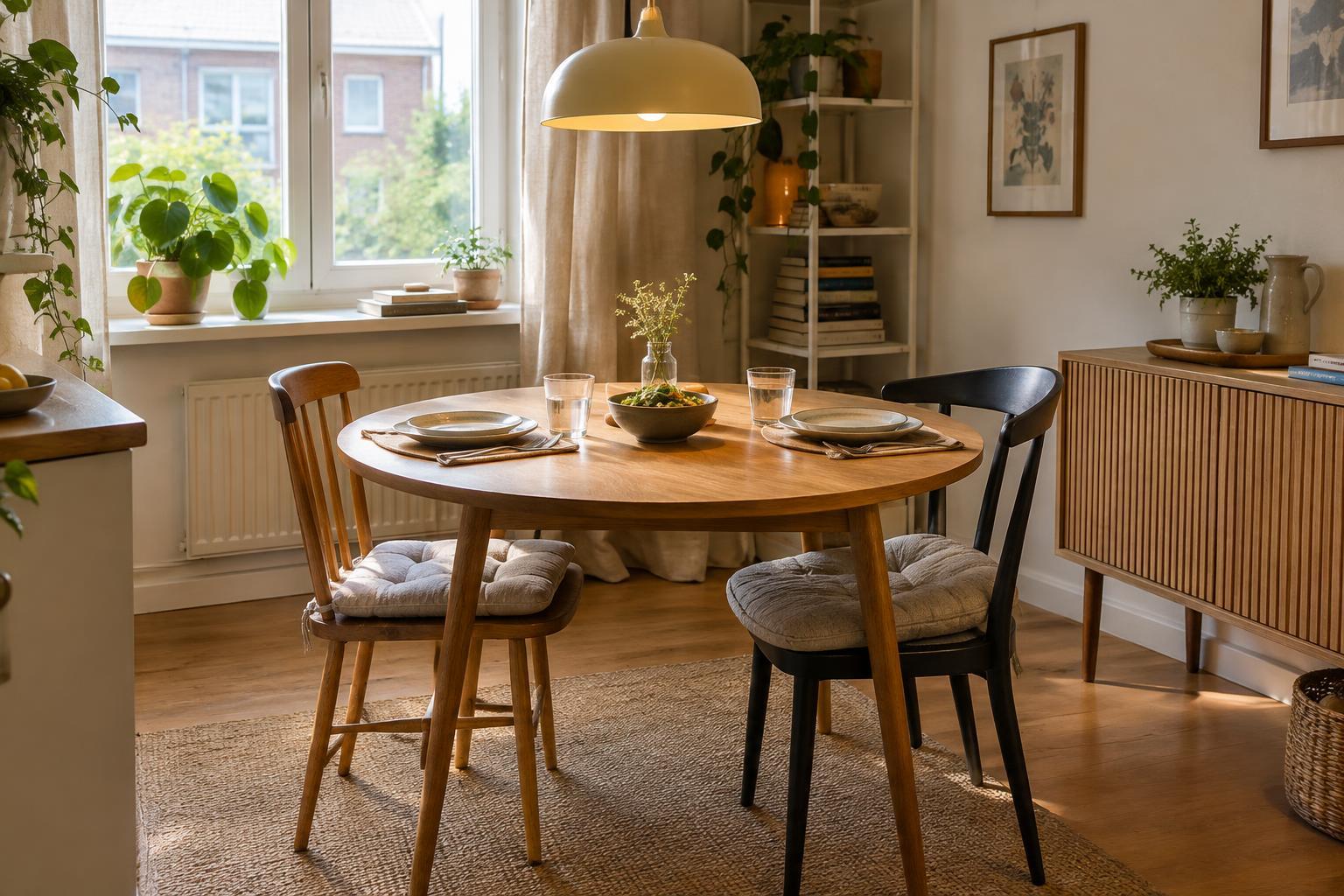
The right table is one that fits both the room and your routine. In a compact space, a smaller table that leaves room to pull out chairs may serve you better than a larger one with more surface area. If you already have a table, try shifting it before replacing it. Walk through the room with the chairs occupied in mind, especially along routes to doors, cabinets and other frequently used spots.
Seating deserves the same attention as the tabletop. A chair should feel steady and allow someone to sit through a meal without constantly adjusting position. If the table also serves as a workspace or hobby surface, check that the chair feels comfortable for those tasks too. A bench can tuck neatly under some tables, but consider whether everyone who uses it can get in and out easily.
Make the table easy to clear
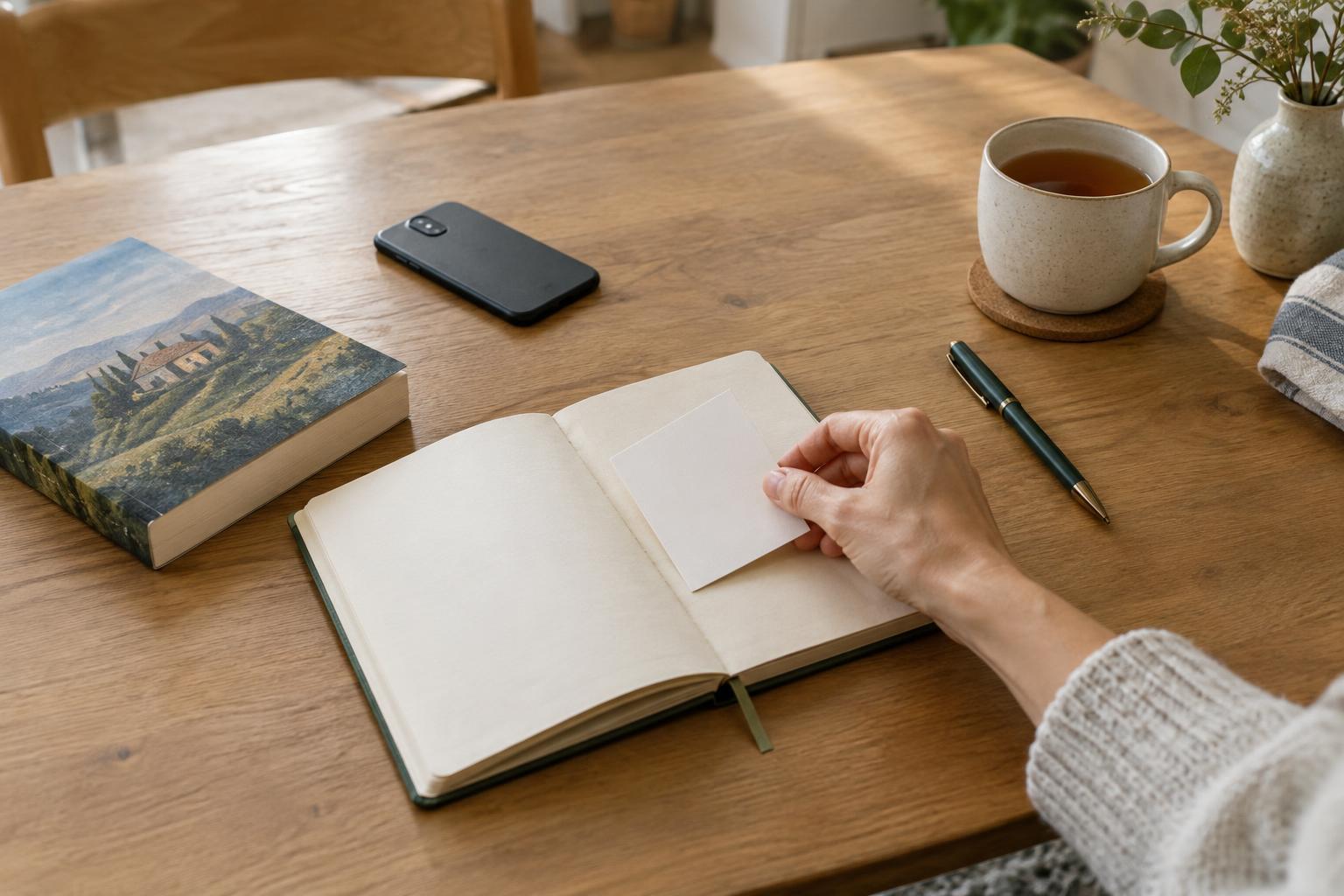
When a dining table doubles as a place for paperwork, crafts or household odds and ends, keeping it completely empty may be unrealistic. Instead, give those activities a simple exit plan. A nearby tray can hold papers that need attention; a basket or drawer can hold small supplies. The aim is to clear enough space for a meal in a few easy moves, without losing track of anything important.
Keep everyday dining items close only if they earn their place there. Napkins, placemats or coasters might fit in a nearby cabinet or a small container. Move rarely used serving pieces elsewhere if they crowd the area. A clear, usable table is often more welcoming than an elaborate arrangement that must be dismantled before anyone can eat.
Adjust the light and the atmosphere
Comfortable dining light lets you see your food and the people across from you without feeling harsh. If an overhead light seems too bright, try a dimmable bulb where the fixture allows it, or add a lamp nearby. If the table is used for reading or detailed hobbies, make sure those activities have enough light as well. Test the setup at the times you normally use the space rather than judging it only during the day.
A few soft details can help a dining spot feel settled, particularly when it shares a room with the kitchen or living area. A washable table covering, a plant placed out of the way, or cushions on suitable chairs may be enough. Choose things that are easy to move and care for. The goal is not to dress the table for a special occasion, but to make an ordinary meal pleasant.
Let the space change when it needs to
If you sometimes host more people, plan for that separately from daily use. Folding chairs, an extendable table or a temporary arrangement with furniture you already own may help, depending on the space. Try the setup before you need it so you can see whether people can reach their seats and move around comfortably. It is fine if a guest arrangement feels more crowded than your usual one.
After making a change, live with it for a few meals before adding anything else. Notice whether clearing the table takes less effort, whether chairs are easier to use and whether people choose to sit there. A comfortable dining area is not defined by its size or style. It is a place that makes it easier to pause and eat, even on an otherwise busy day.